POND FISH GUIDE
Find the right fish for your pond.
Explore our growing UK pond fish database, with practical information about pond size, adult size, temperature, diet, temperament and care requirements.
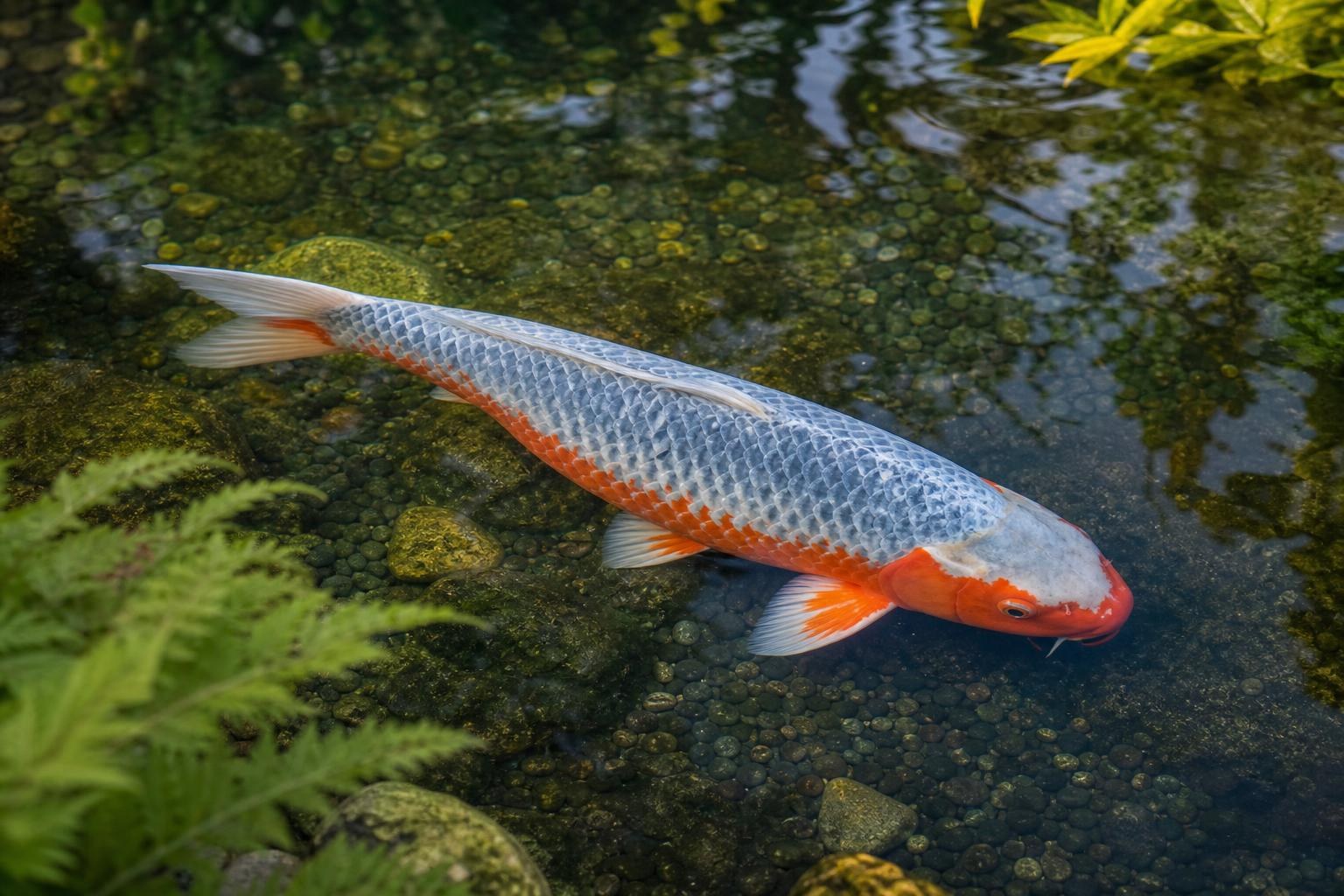
Cyprinus carpio
Asagi Koi
Asagi Koi is presented as a koi variety (koi are ornamental forms of Cyprinus carpio). Husbandry follows standard koi guidance: large, deep, well‑filtered ponds, careful feeding and biosecurity; Asagi as a catalogue name was not verifiable on the industry sources used.
View fish guide →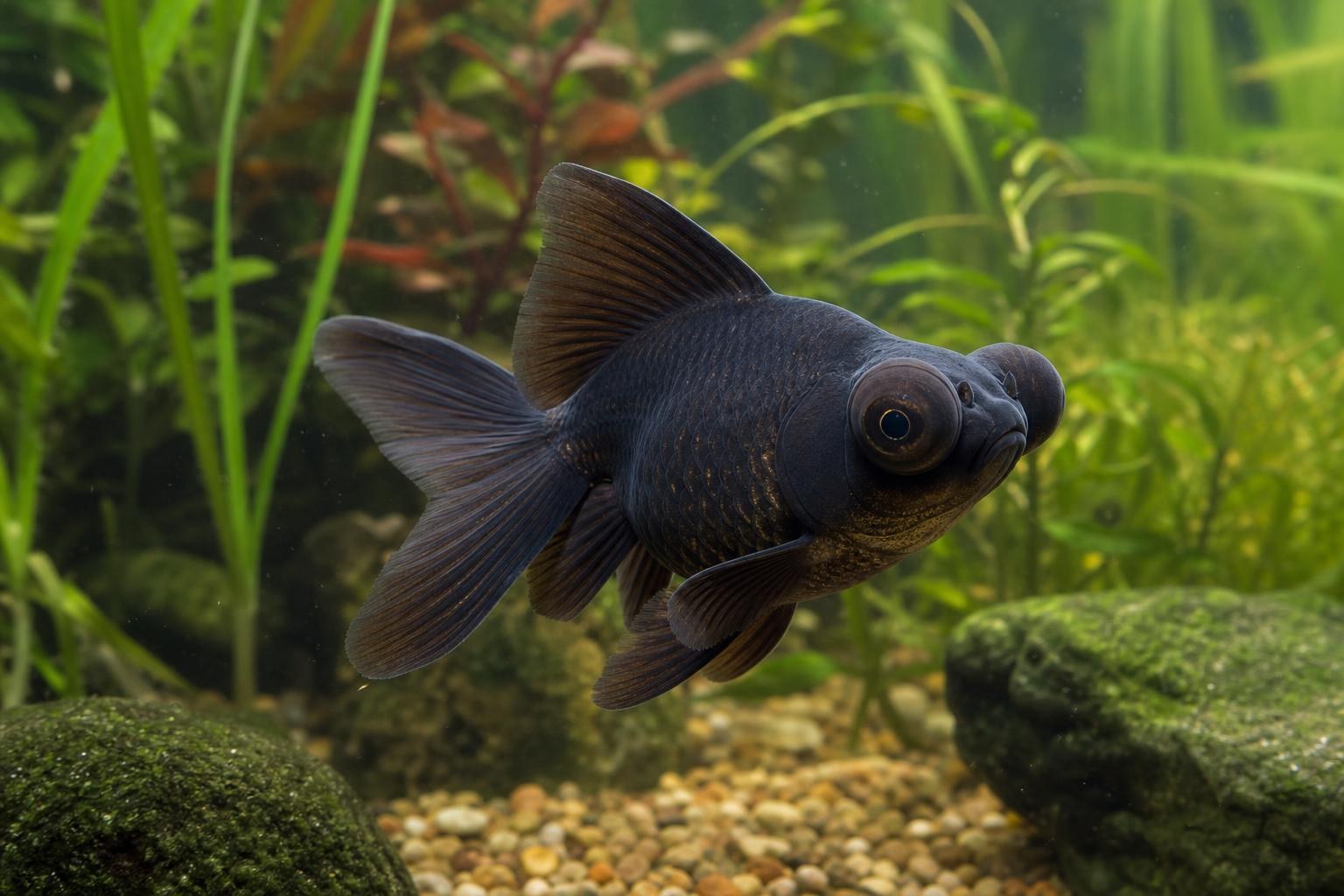
Carassius auratus
Black Moor
A telescope‑eyed fancy goldfish variety of Carassius auratus. Black Moors are slow‑swimming, omnivorous and cold‑tolerant but need good filtration, careful feeding and adequate pond depth. They suit dedicated ornamental ponds rather than wildlife ponds.
View fish guide →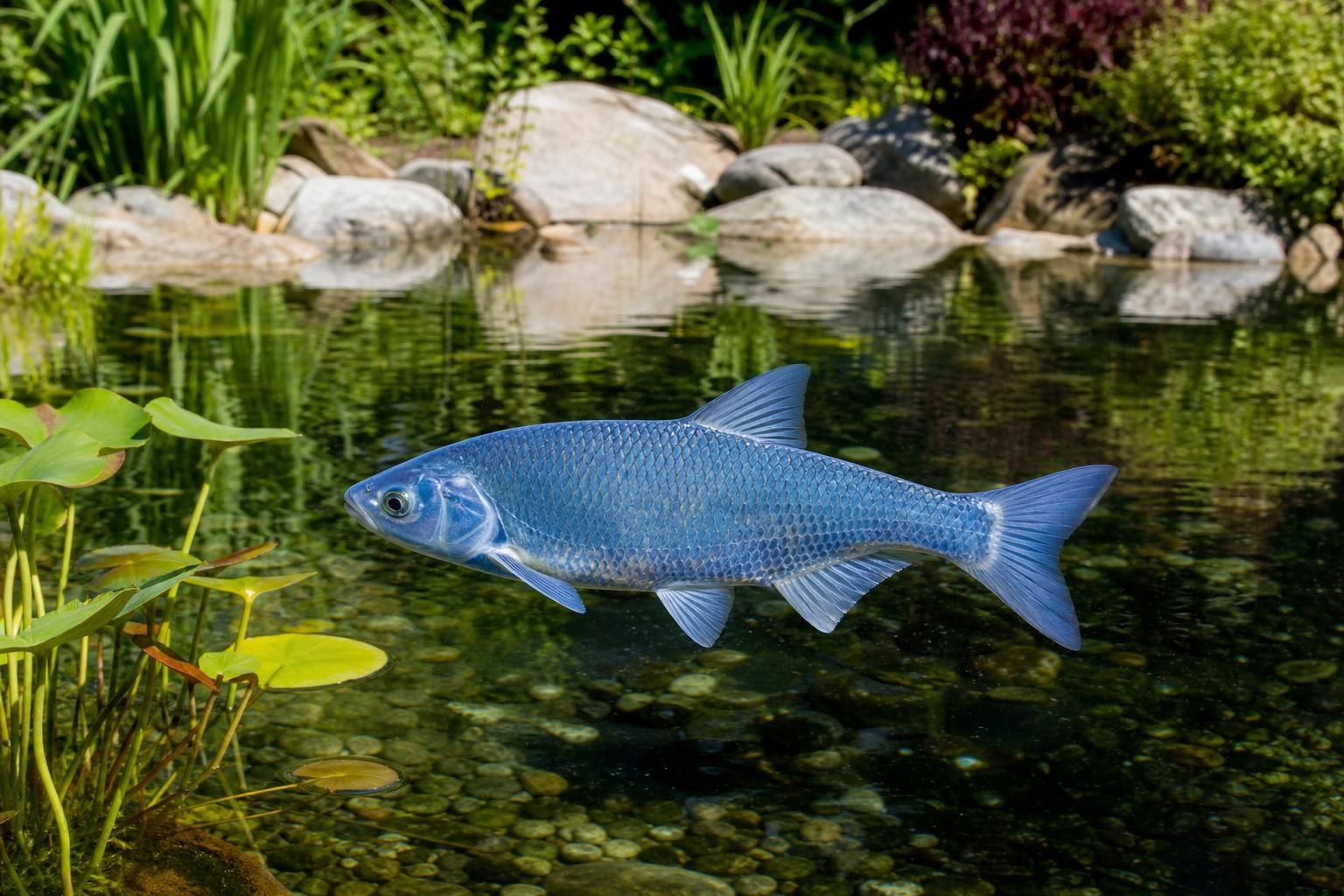
Leuciscus idus
Blue Orfe
The Blue Orfe is an ornamental colour form of the European ide (Leuciscus idus). A large, active, shoaling coldwater cyprinid, it needs a well‑filtered, very well‑oxygenated pond with plenty of open water. Not suitable for small or wildlife ponds.
View fish guide →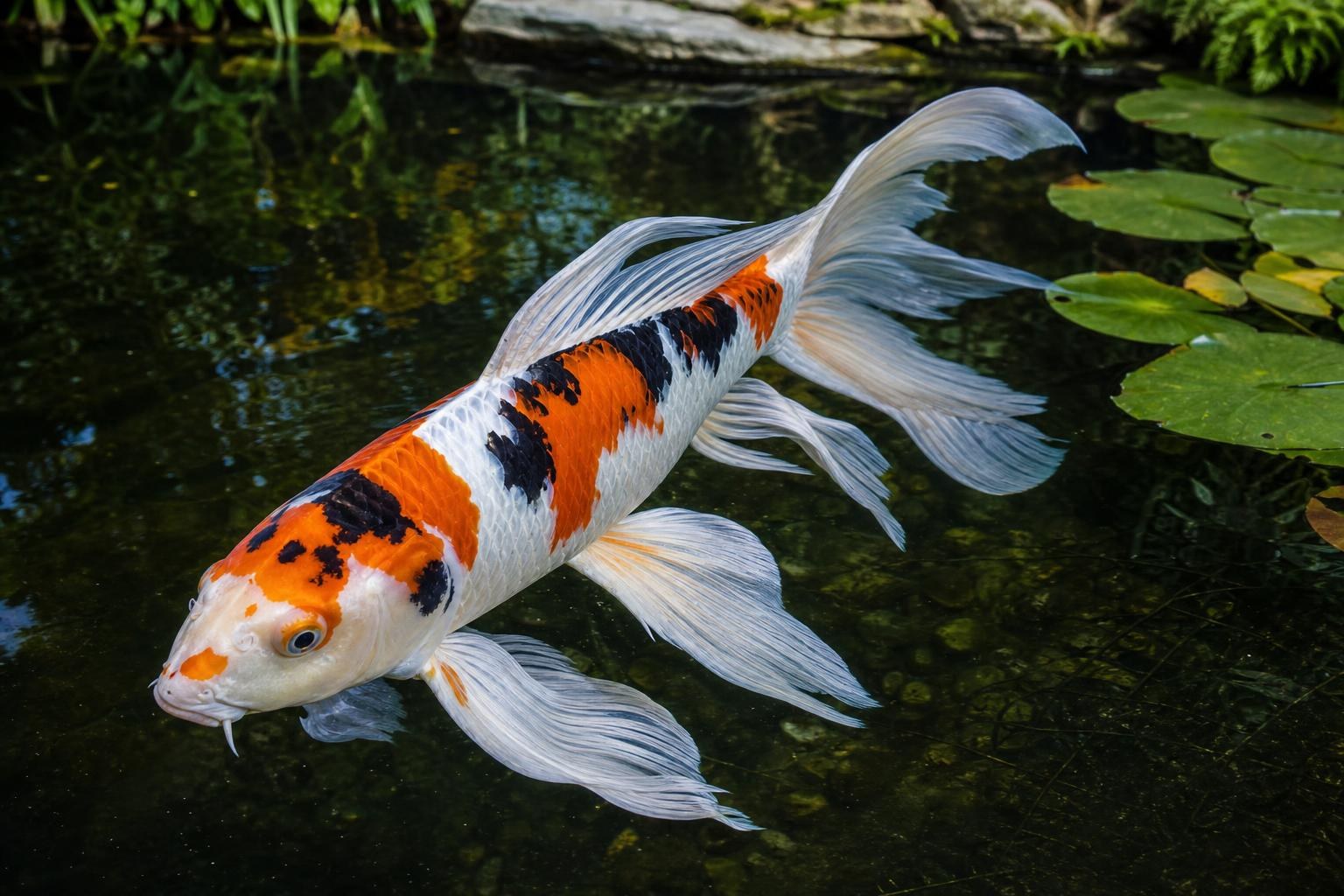
Cyprinus carpio
Butterfly Koi
A trade name for long‑finned ornamental koi (variants of common carp). Treat them as you would other koi: large, deep, well‑filtered ponds, good biosecurity and no release to wildlife ponds.
View fish guide →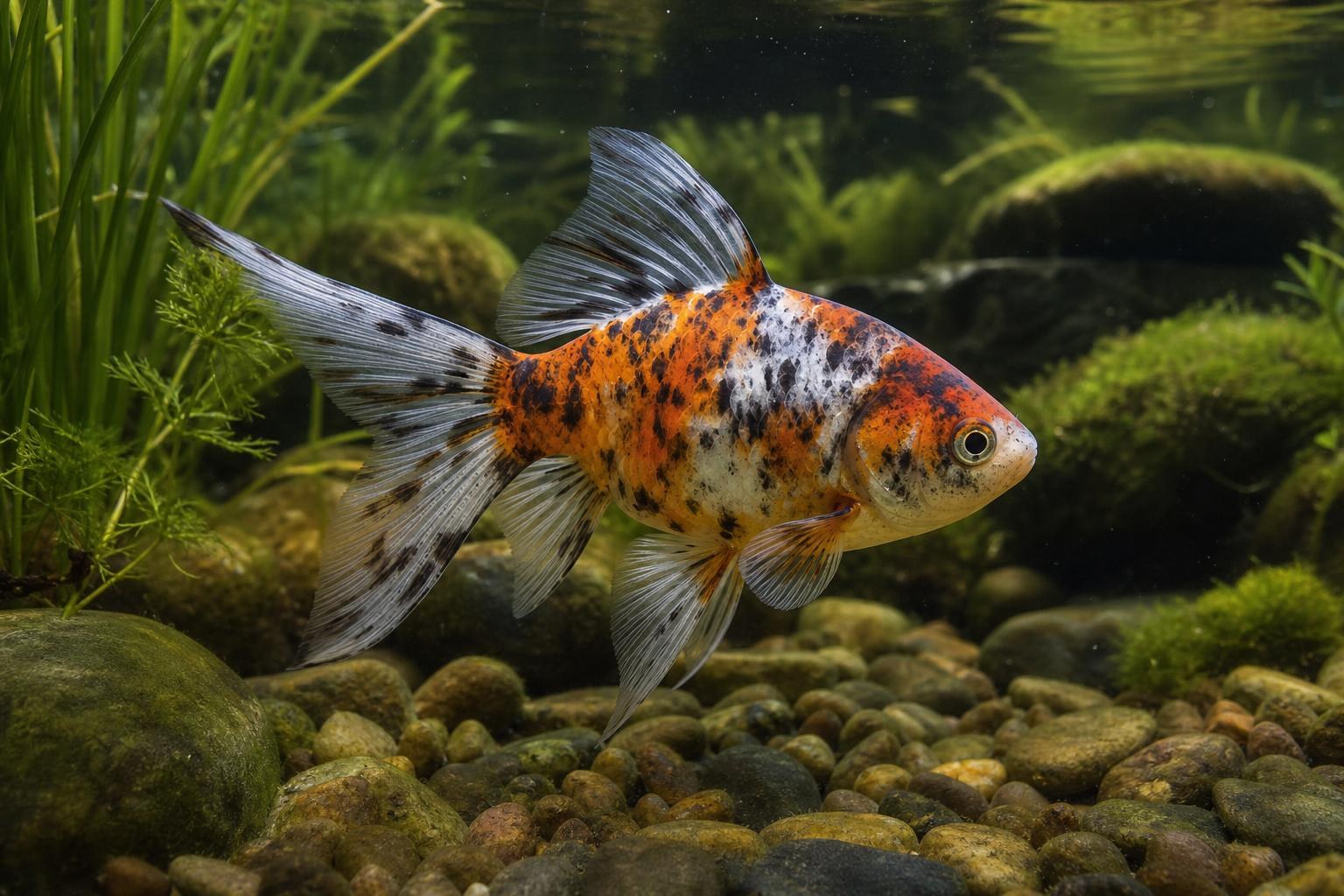
Carassius auratus
Calico Goldfish
A calico is a colour/scale variant of the domestic goldfish (Carassius auratus). Hardy coldwater pond fish up to about 30 cm, but avoid adding them to wildlife-focused ponds and check licensing before moving or introducing fish.
View fish guide →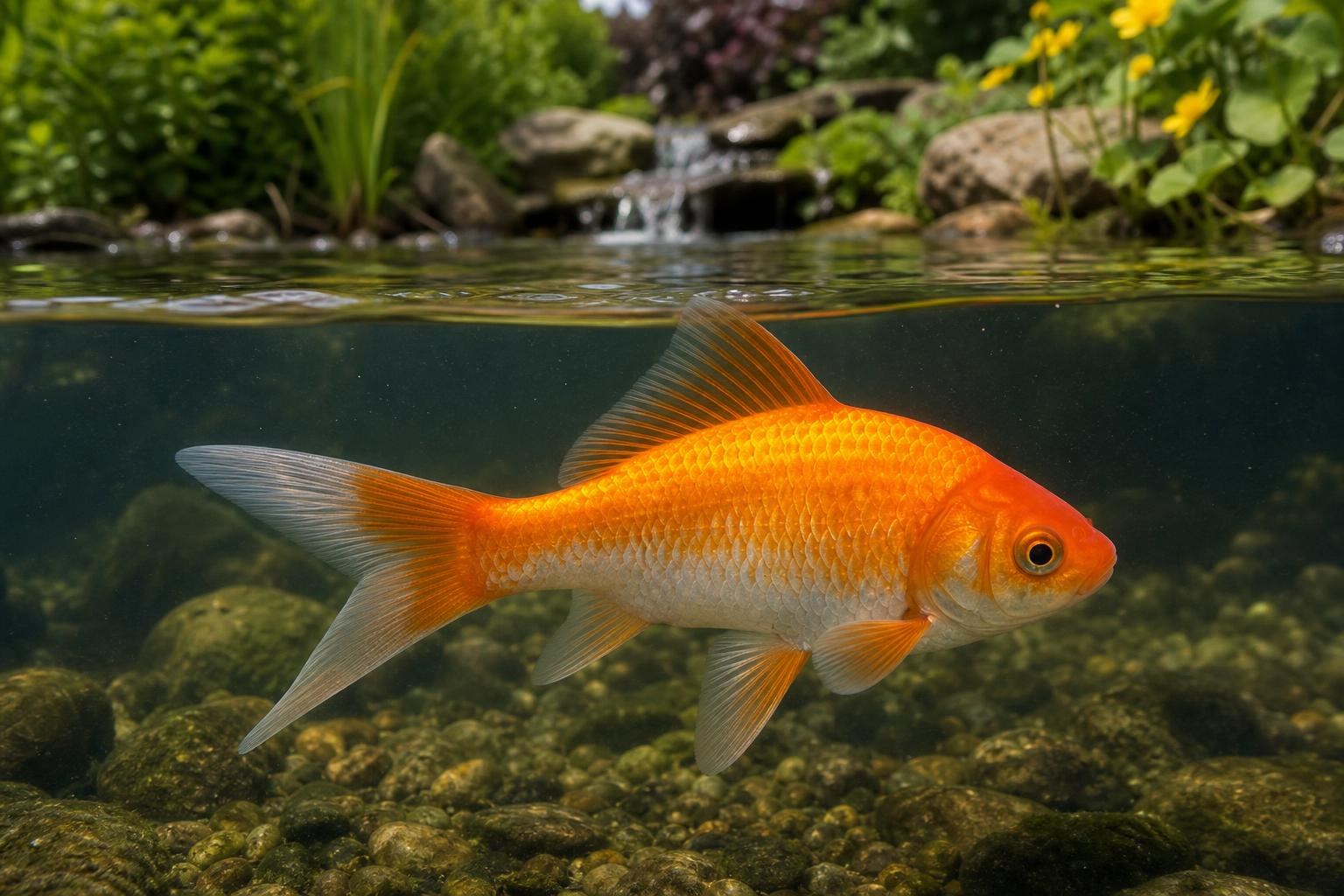
Carassius auratus
Comet goldfish
A single‑tailed variety of domestic goldfish, Comets are hardy, active pond fish that can reach large sizes in big waterbodies. They tolerate typical UK pond temperatures but need good filtration, space and biosecurity; do not release them into wildlife ponds or the wild.
View fish guide →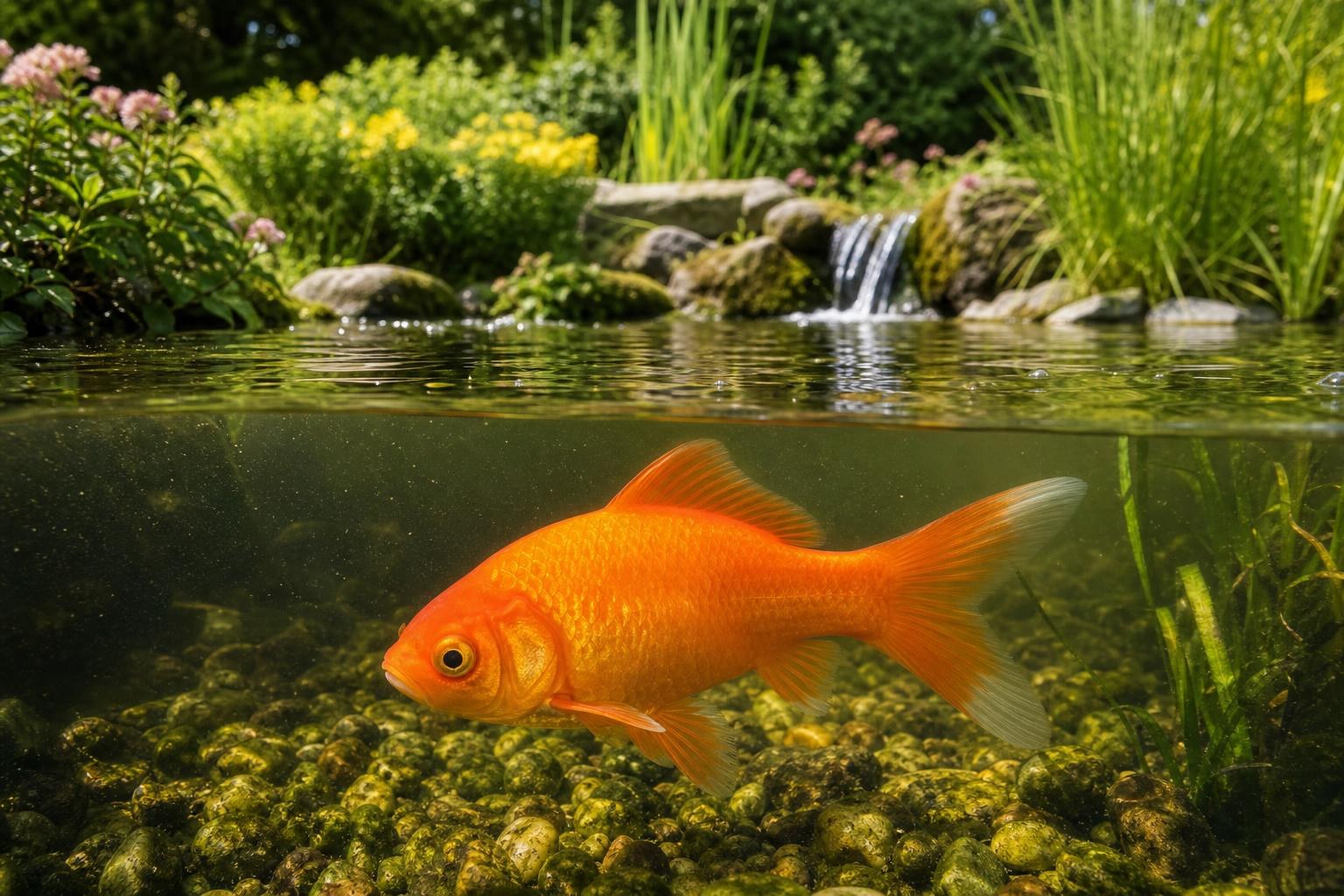
Carassius auratus
Common Goldfish
A hardy, adaptable pond fish (Carassius auratus). Common in UK garden ponds, goldfish tolerate 4–25°C, are omnivorous and can grow from typical captive sizes (~12–25 cm) up to and beyond 40–45 cm in very large ponds. They need good space, filtration and aeration and are not recommended for wildlife ponds.
View fish guide →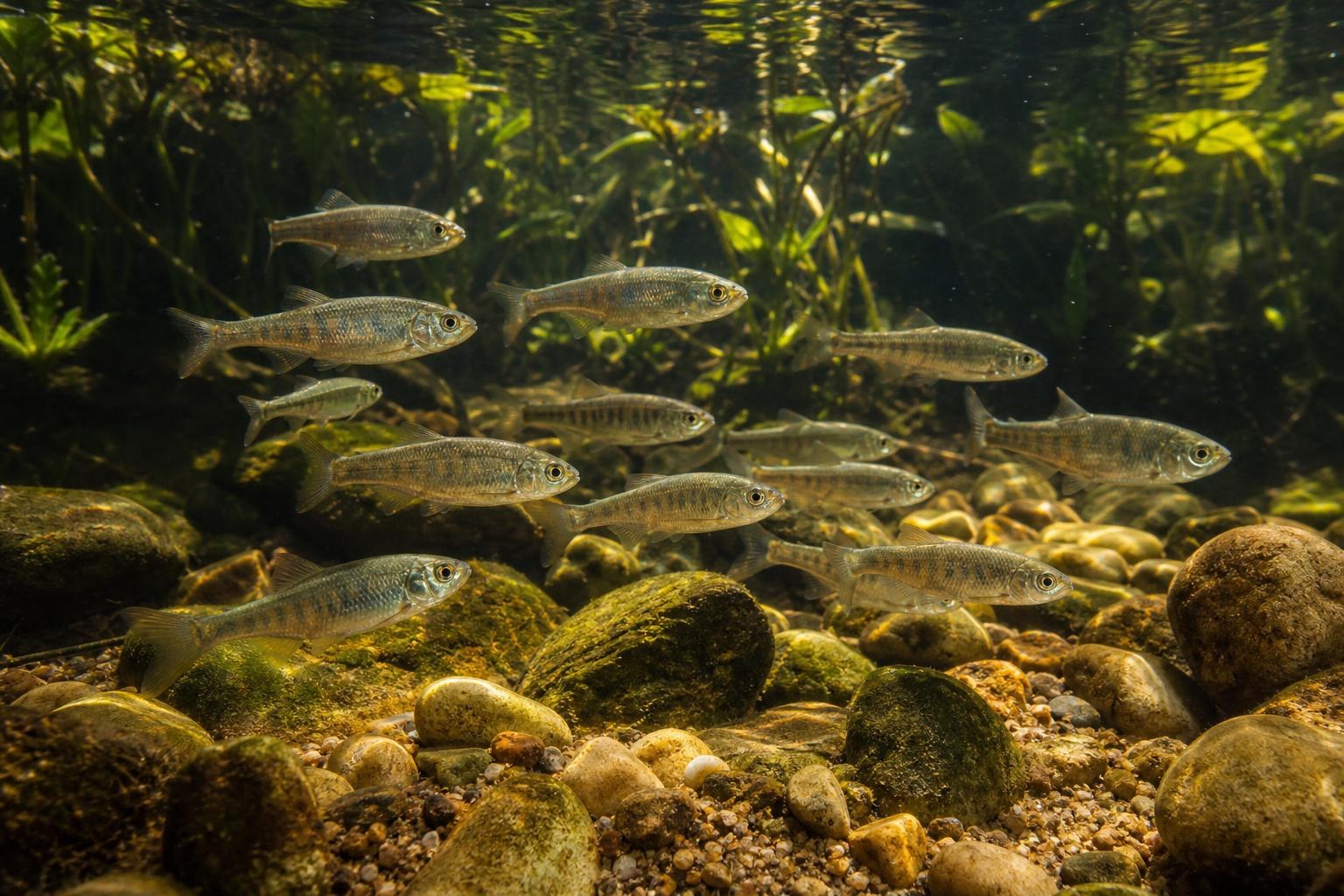
Phoxinus phoxinus
Common Minnow
A small native UK freshwater fish (4–10 cm) that shoals in large groups and is typically found in well‑oxygenated, flowing waters. Suitable only for ponds with good oxygenation and some flow; avoid introducing into very small wildlife ponds.
View fish guide →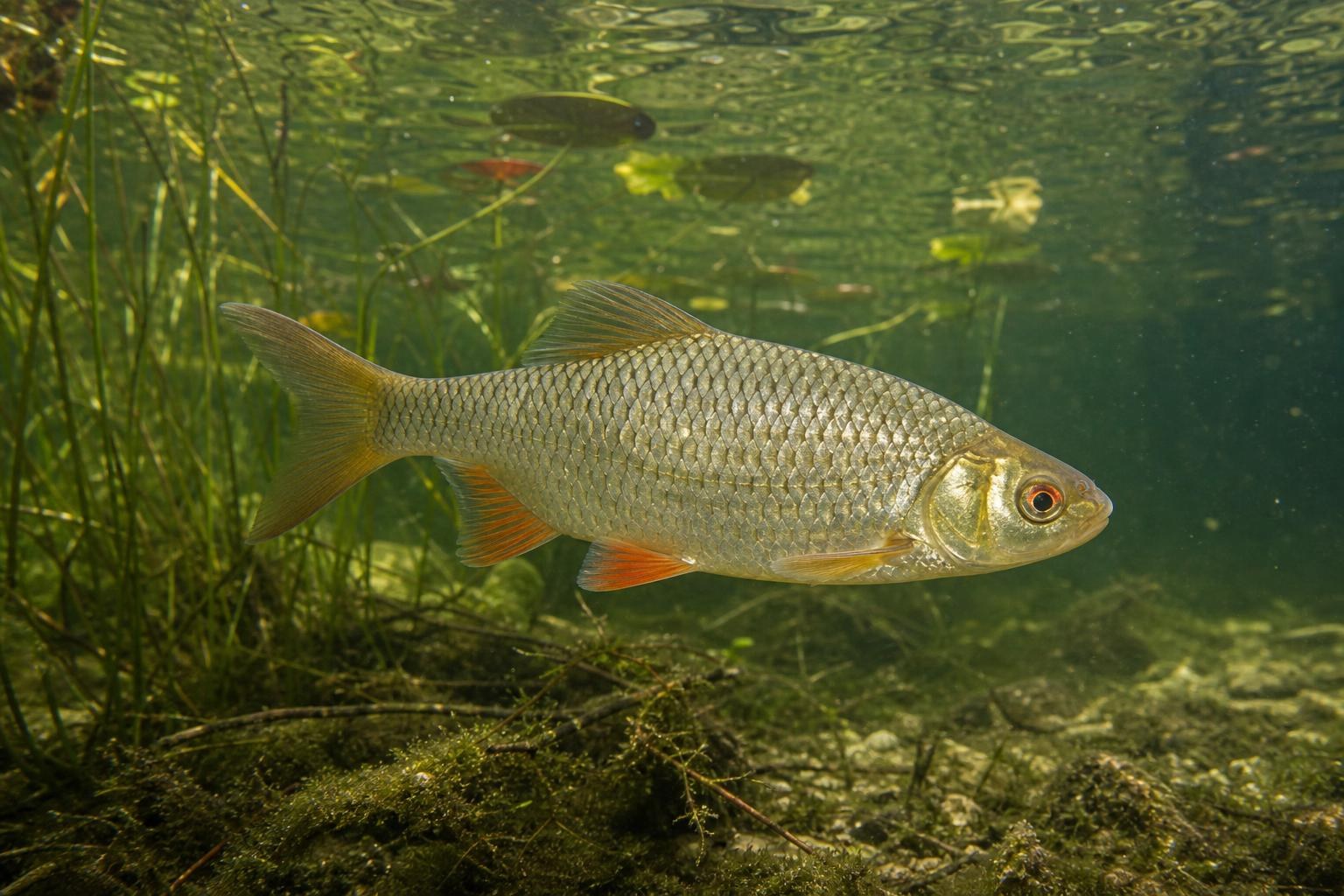
Scardinius erythrophthalmus
Common Rudd
A native UK pond cyprinid often sold as ‘rudd’ or ornamental ‘golden rudd’. Shoaling, surface‑feeding omnivore (insects, invertebrates, duckweed and plant material). Typical pond adults are around 10–20 cm, and trade sources commonly report about 15 cm; larger individuals are possible. Rudd do well in planted, filtered garden ponds but are not recommended where the primary aim is to maximise wildlife/biodiversity. Follow filter, water‑quality and quarantine guidance when moving fish between waterbodies.
View fish guide →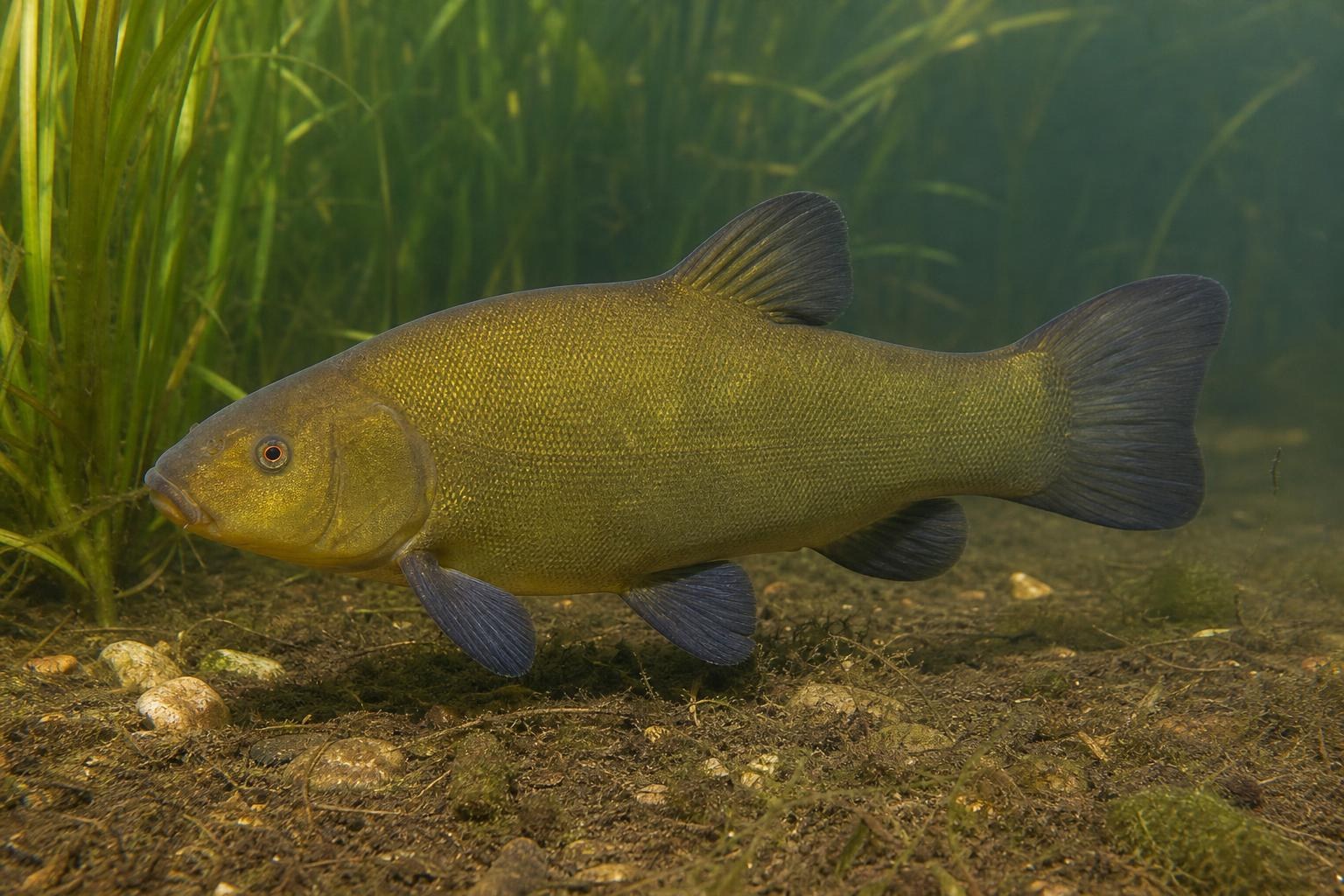
Tinca tinca
Common tench
A native UK coarse fish, the common tench is a shy, bottom‑feeding species that can reach large sizes. It suits medium to large, well‑oxygenated garden ponds rather than small or wildlife-only ponds.
View fish guide →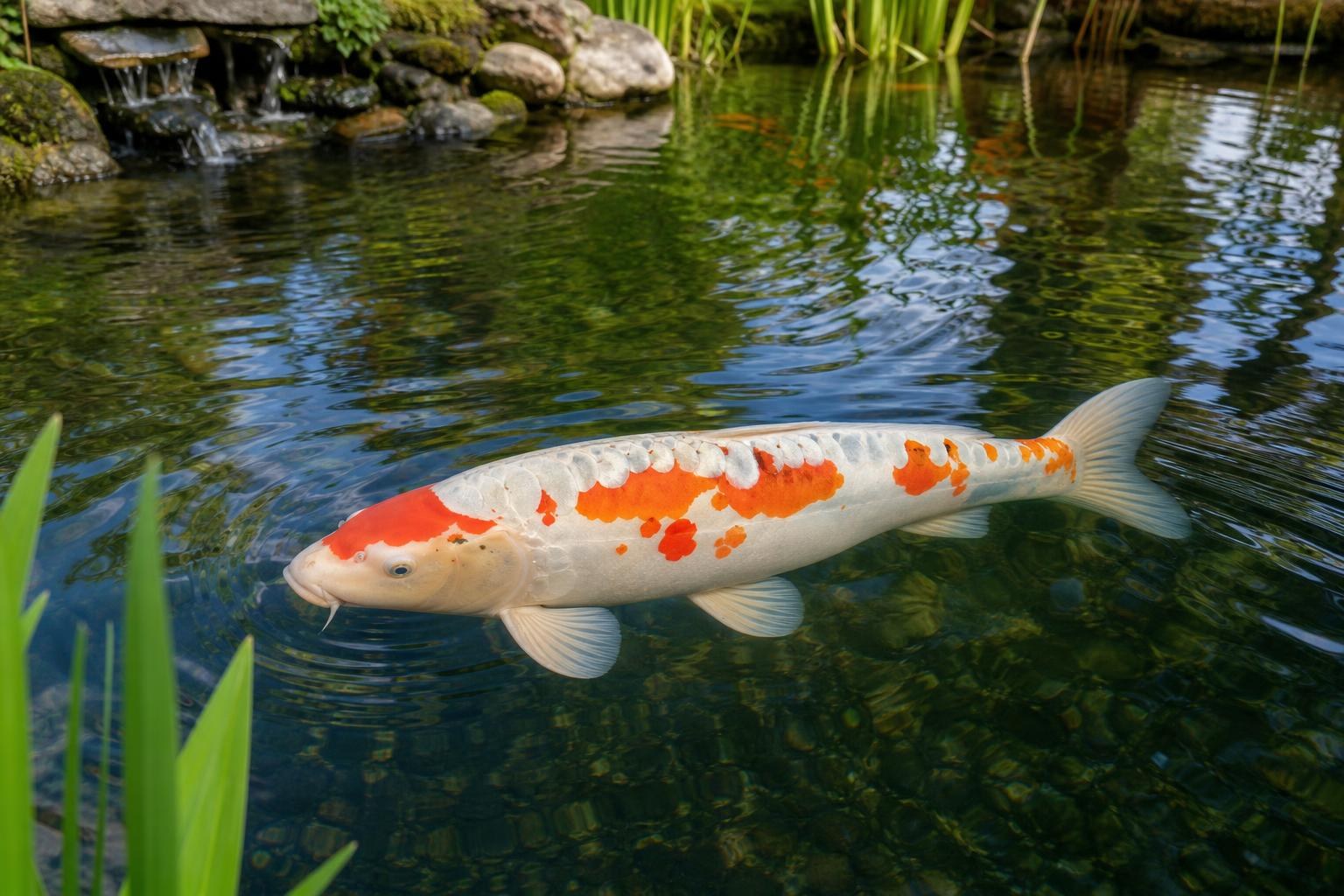
Cyprinus carpio
Doitsu Koi
Doitsu Koi is sold as a variety of ornamental koi (domesticated Cyprinus carpio). Koi need large, deep, well‑filtered ponds (guidance commonly cites ~4,500 L and ≥90 cm depth), stable water quality and seasonal feeding adjustments.
View fish guide →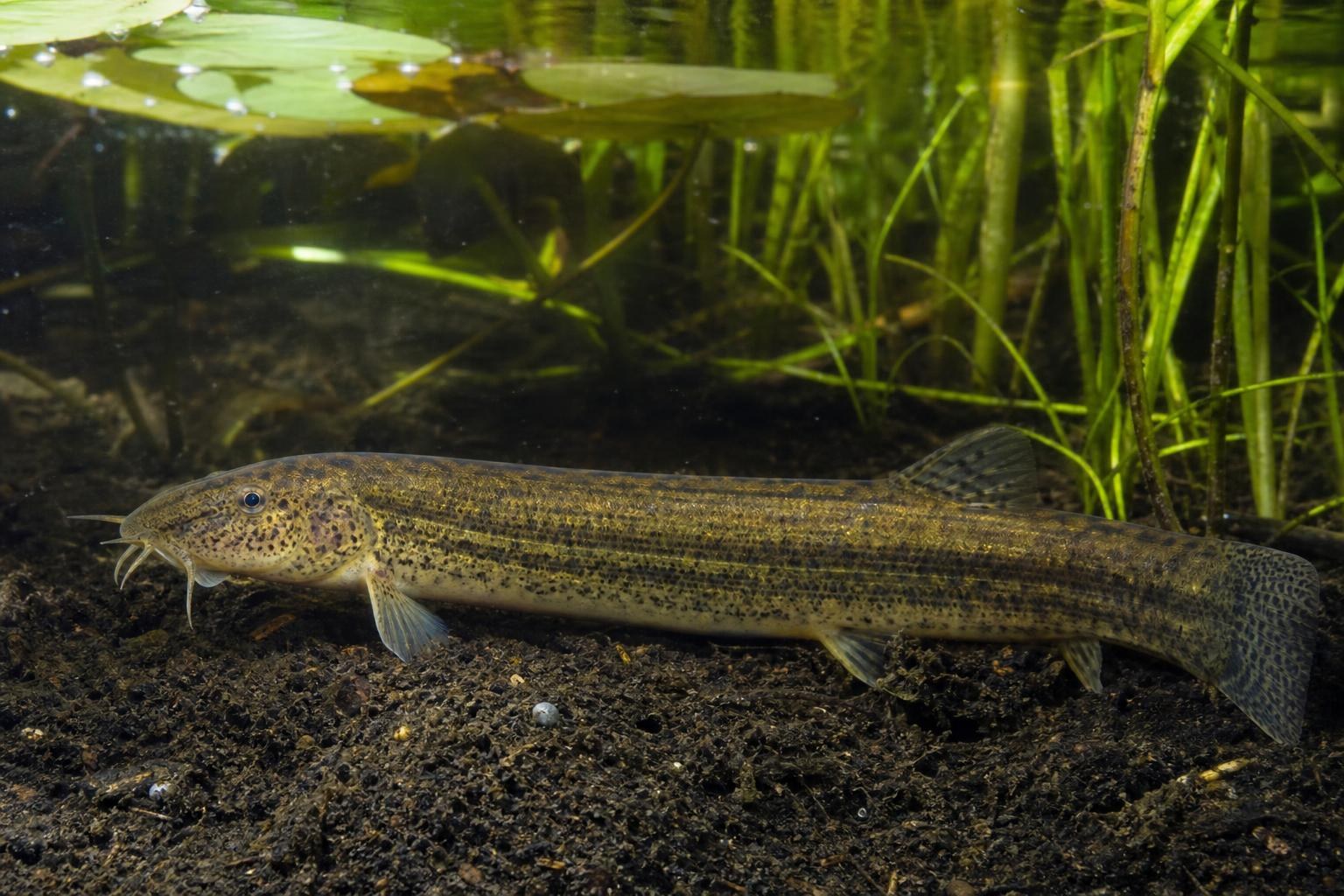
Misgurnus anguillicaudatus
Dojo loach
A hardy, social temperate loach often called the weather loach. Grows to around 25 cm, tolerates a wide temperature range and is best kept in small groups with soft substrate and plenty of hides. Do not release to the wild and check UK licensing and biosecurity rules before acquiring.
View fish guide →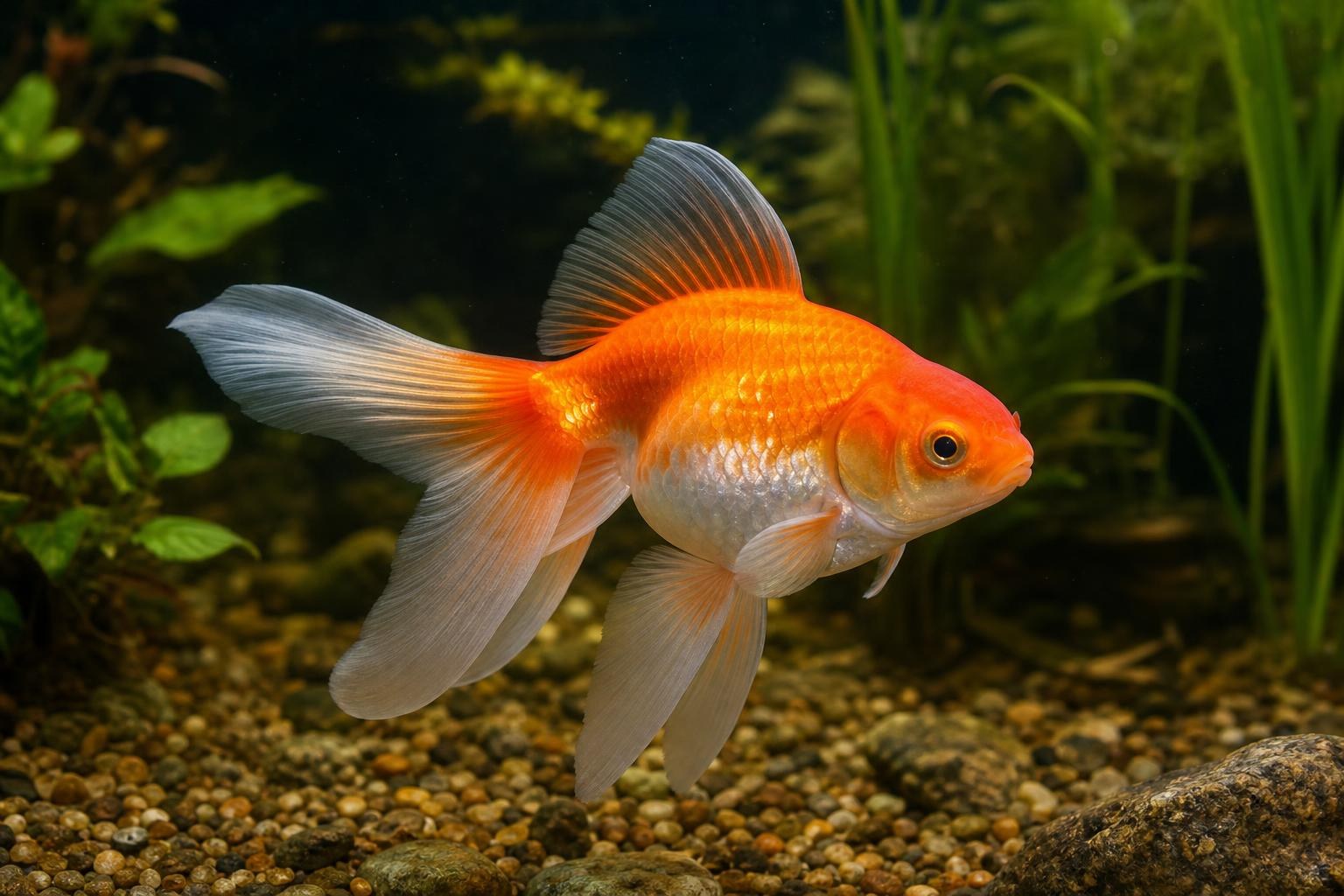
Carassius auratus
Fantail Goldfish
A fancy variety of domestic goldfish (Carassius auratus). Fantails are coldwater, omnivorous fish that commonly reach about 20 cm in kept conditions. They need good filtration, stable water quality and are best kept with other fancy goldfish. They are not suitable for wildlife/amphibian ponds.
View fish guide →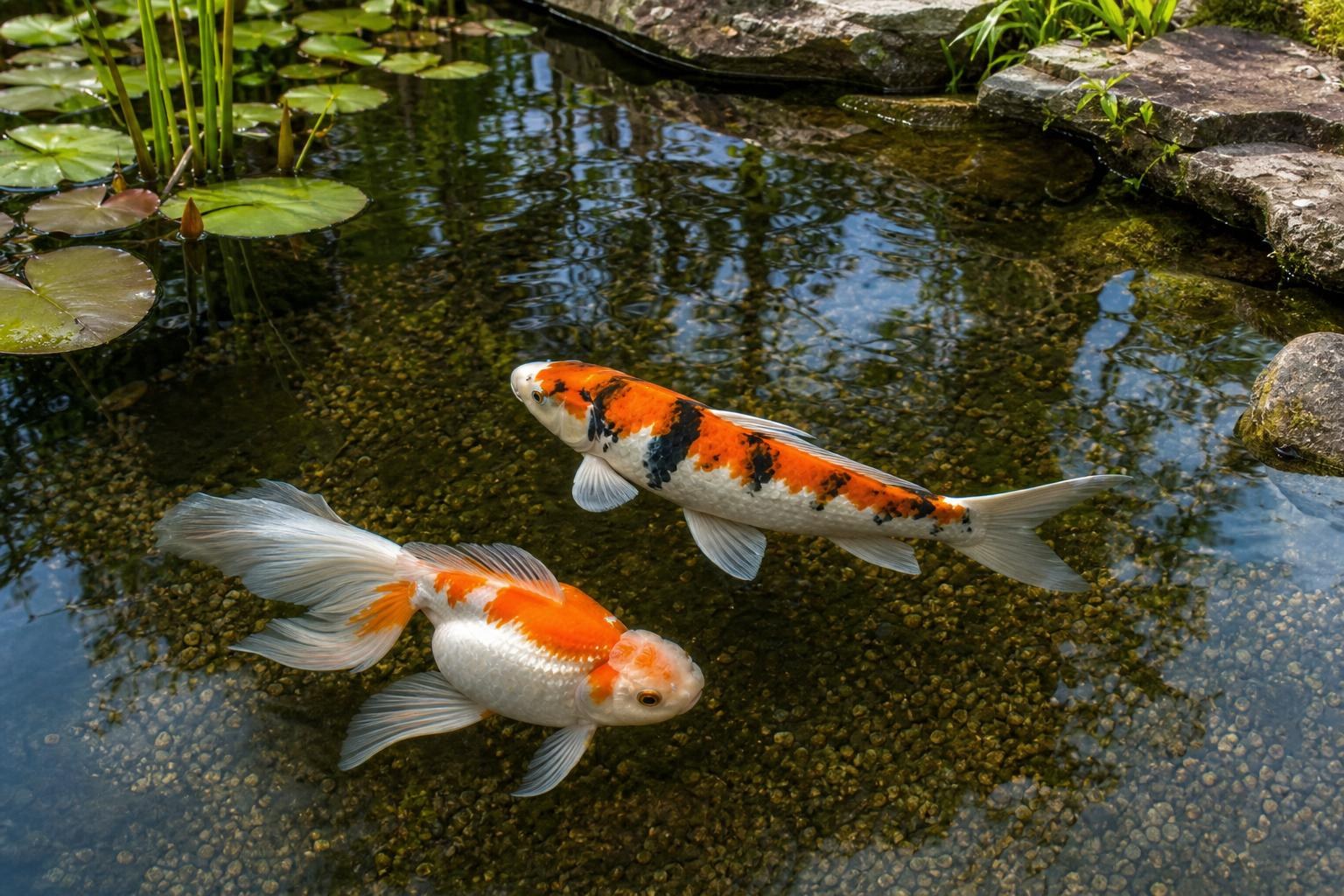
Pond fish
Fantail Koi
The catalogue name “Fantail Koi” is ambiguous. “Fantail” is a fancy goldfish form (Carassius auratus) while “koi” are varieties of common carp (Cyprinus carpio). Verify species with the supplier before planning pond size, care or disease reporting.
View fish guide →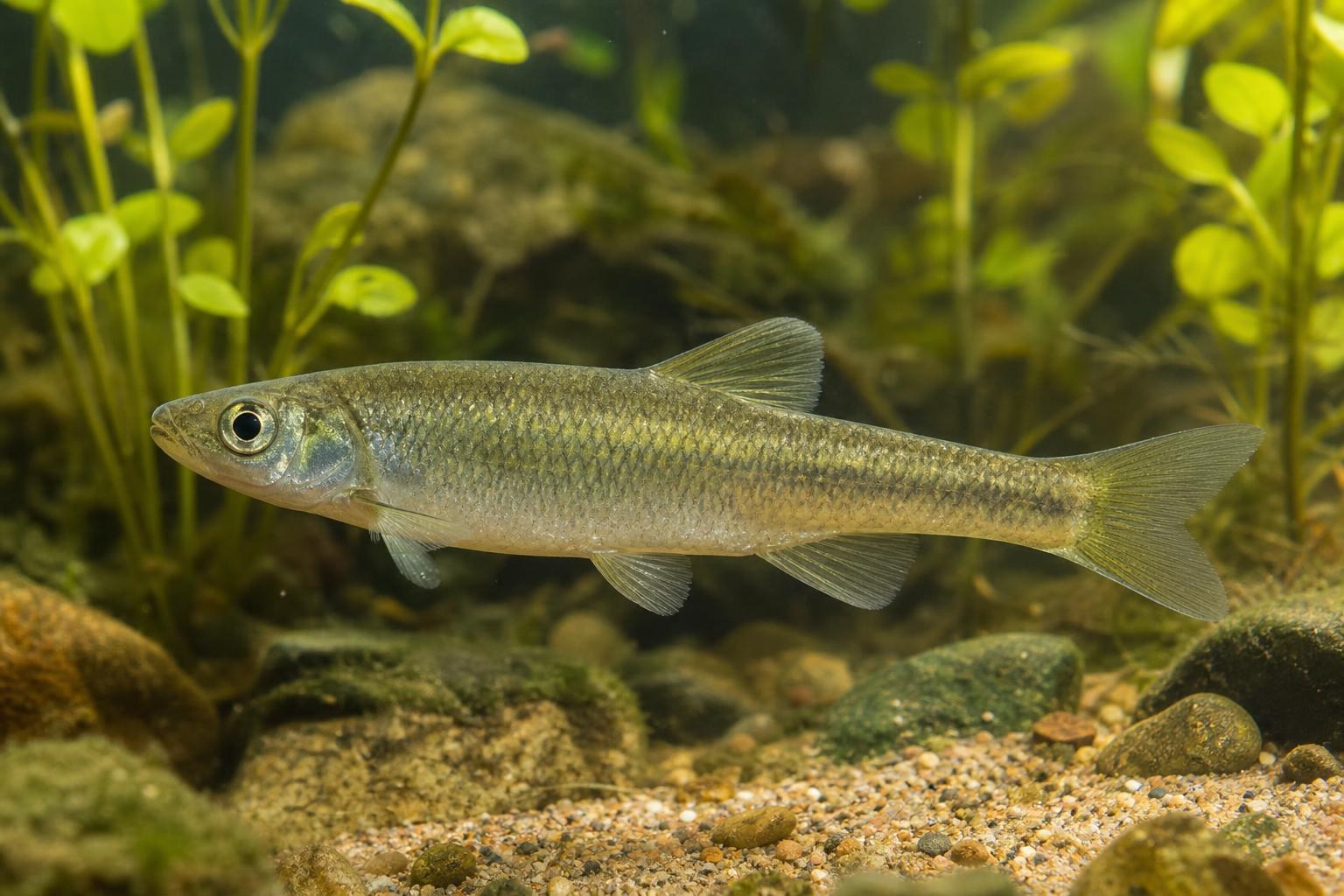
Pimephales promelas
Fathead Minnow
A small non-native minnowspecies recorded breeding in UK garden ponds. Tolerant of a wide temperature range (0–33 °C) and low oxygen, omnivorous and capable of reaching high densities. Not recommended for wildlife ponds; if kept in decorative filtered features follow strict biosecurity and legal guidance.
View fish guide →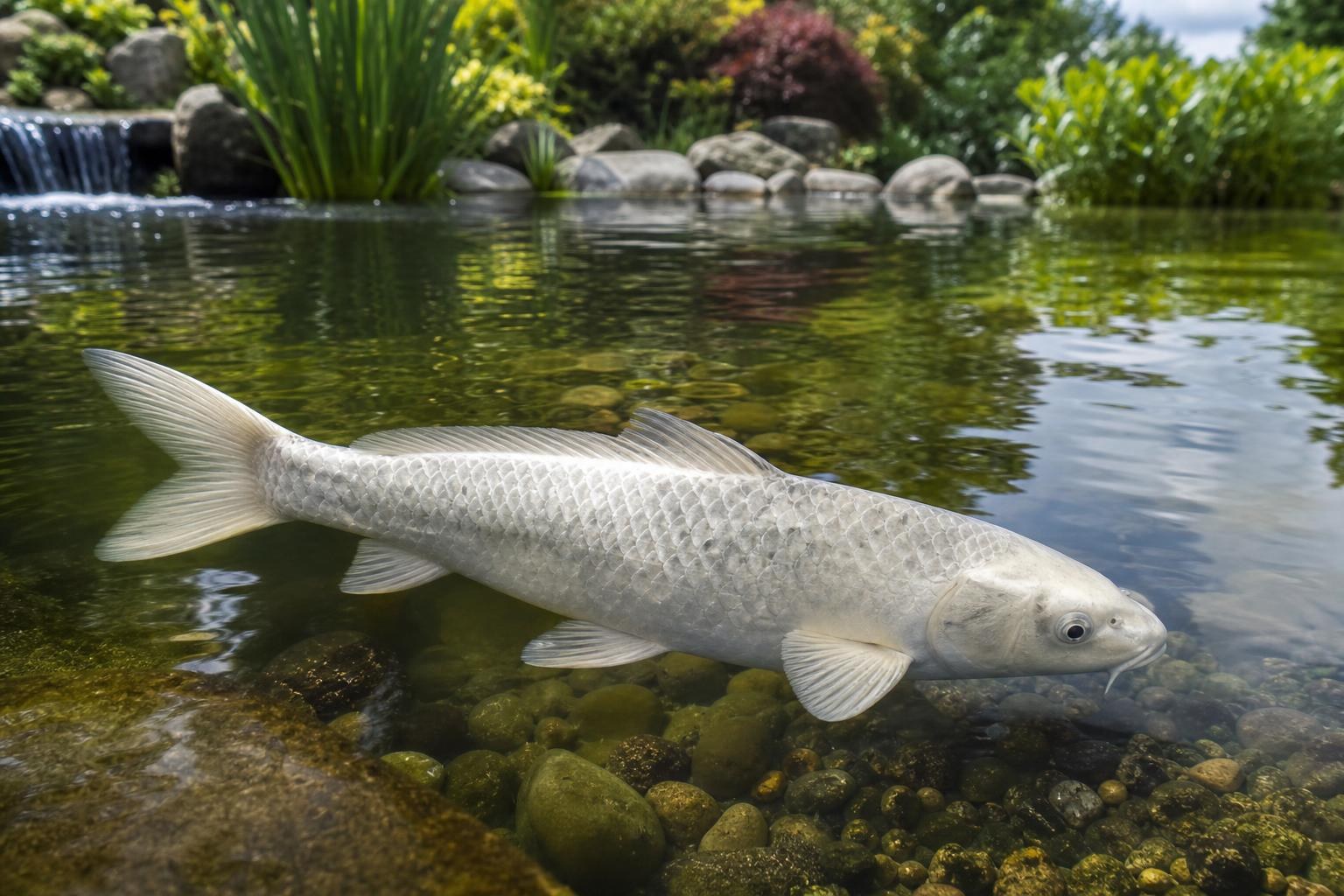
Cyprinus carpio
Ghost Koi
Ghost Koi are ornamental colour variants / hybrids of common carp (Cyprinus carpio). They can grow into large pond carp and need substantial volume, depth, strong filtration and strict biosecurity; they are not suitable for wildlife or small ponds.
View fish guide →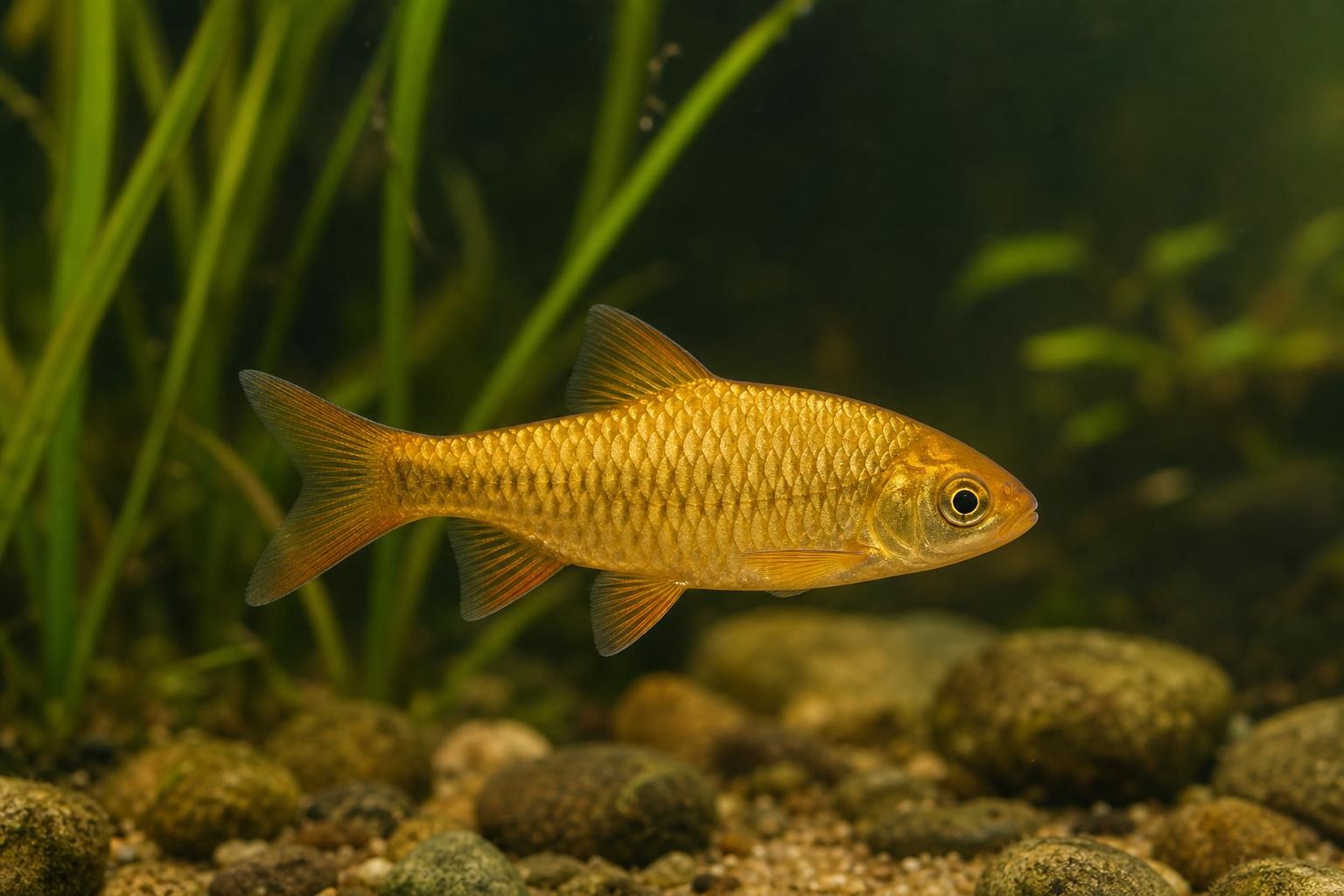
Barbodes semifasciolatus
Gold Barb
A hardy, golden captive colour form of Barbodes semifasciolatus that reaches about 10 cm. Suited to indoor aquaria as a shoaling, active omnivore. Not recommended or authorised for outdoor or wildlife ponds in the UK due to biosecurity and legal concerns.
View fish guide →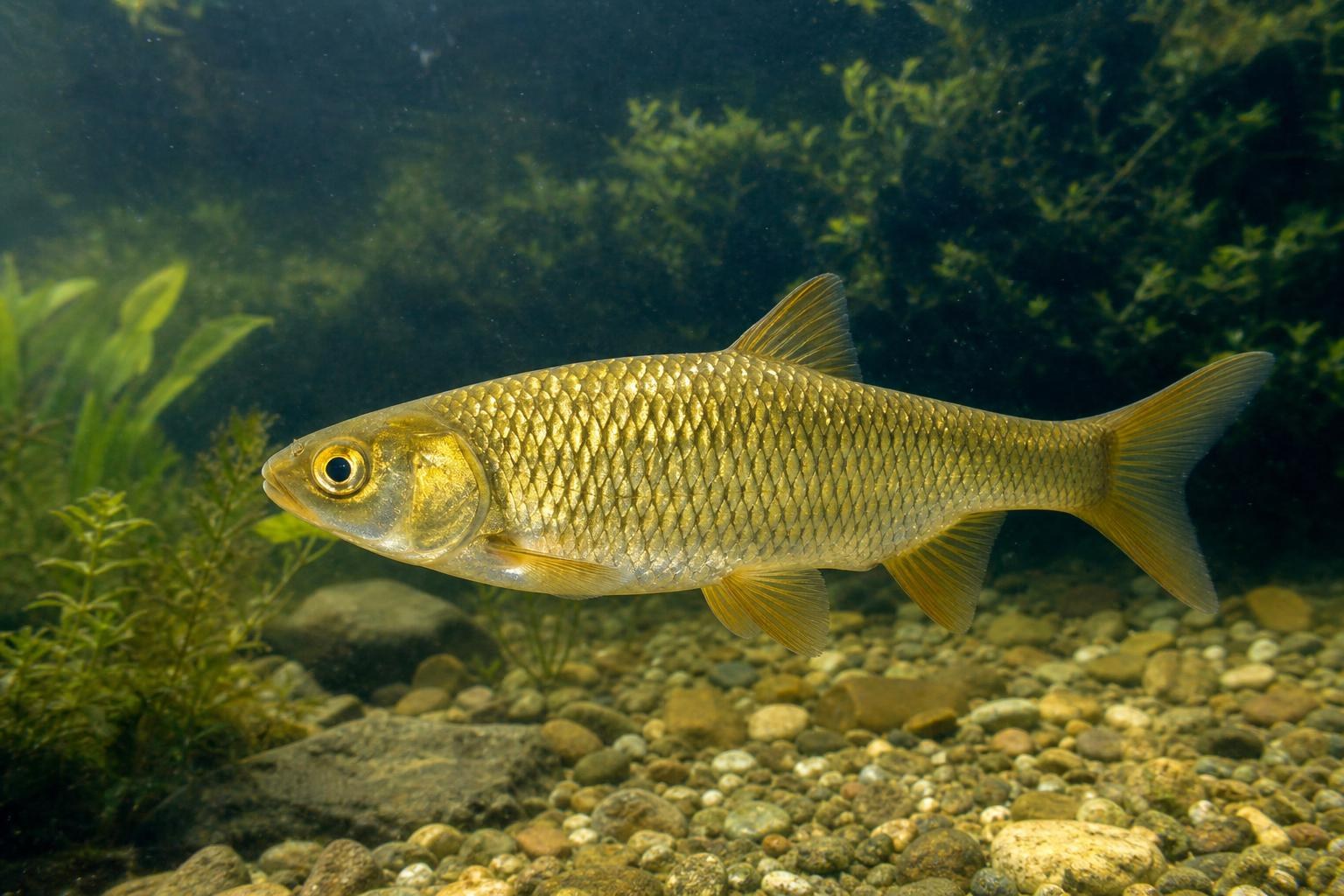
Leuciscus idus
Golden Ide
The Golden Ide (or Golden Orfe) is Leuciscus idus — an active, shoaling temperate pond cyprinid. Typically reaches about 30 cm, needs a large, well‑oxygenated pond and is not suitable for wildlife ponds.
View fish guide →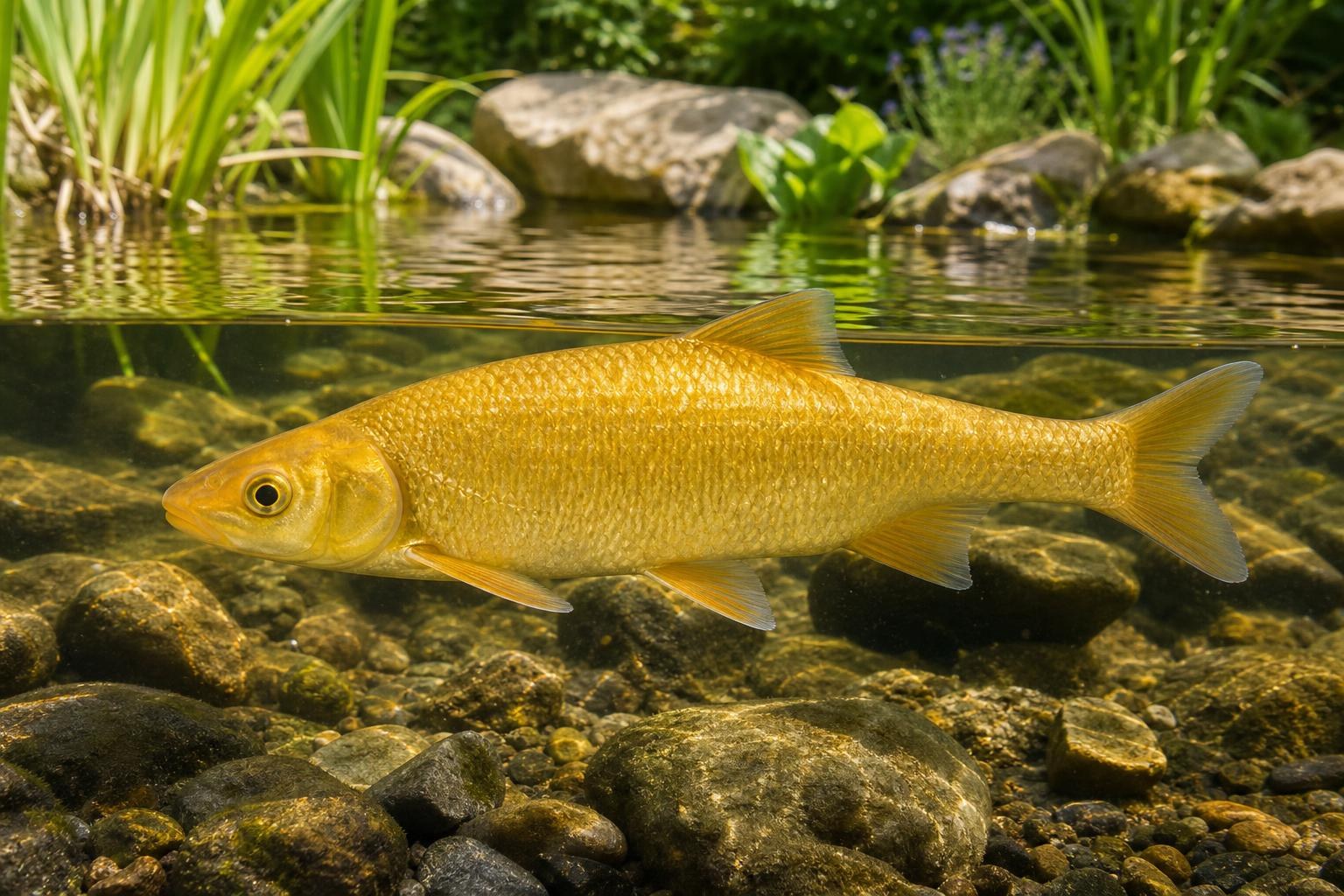
Leuciscus idus
Golden orfe
The golden orfe is the domestic gold colour form of the European ide (Leuciscus idus). An active, shoaling cold‑water pond fish that grows large (commonly ~60 cm+ in captivity), it needs large, well‑aerated ponds with strong water movement and good filtration.
View fish guide →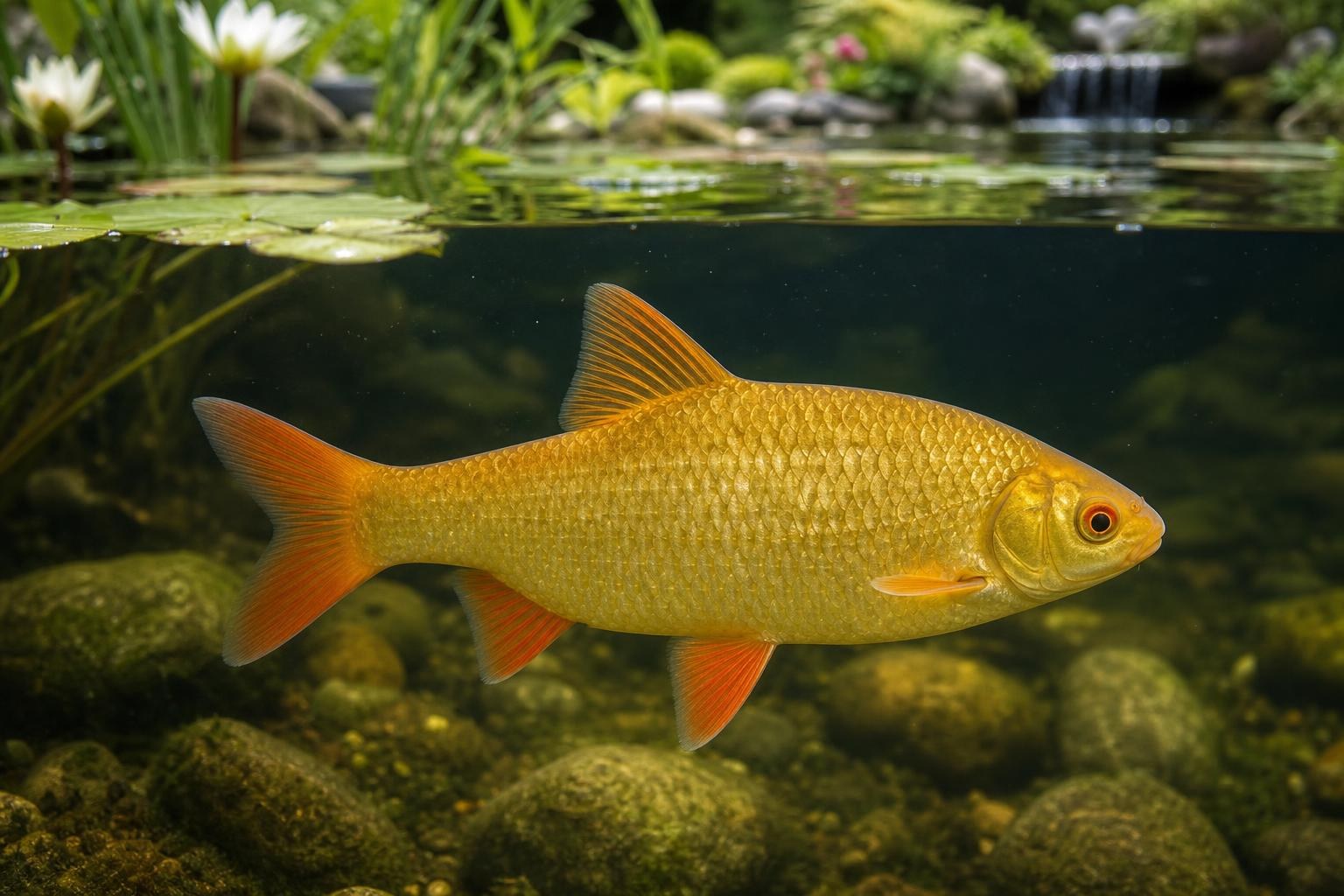
Scardinius erythrophthalmus
Golden Rudd
The golden/domesticated form of the native rudd (Scardinius erythrophthalmus) is a hardy, schooling pond cyprinid. It is omnivorous, generally peaceful and commonly kept in UK garden ponds, but fish-free ponds are preferred where wildlife value is the priority.
View fish guide →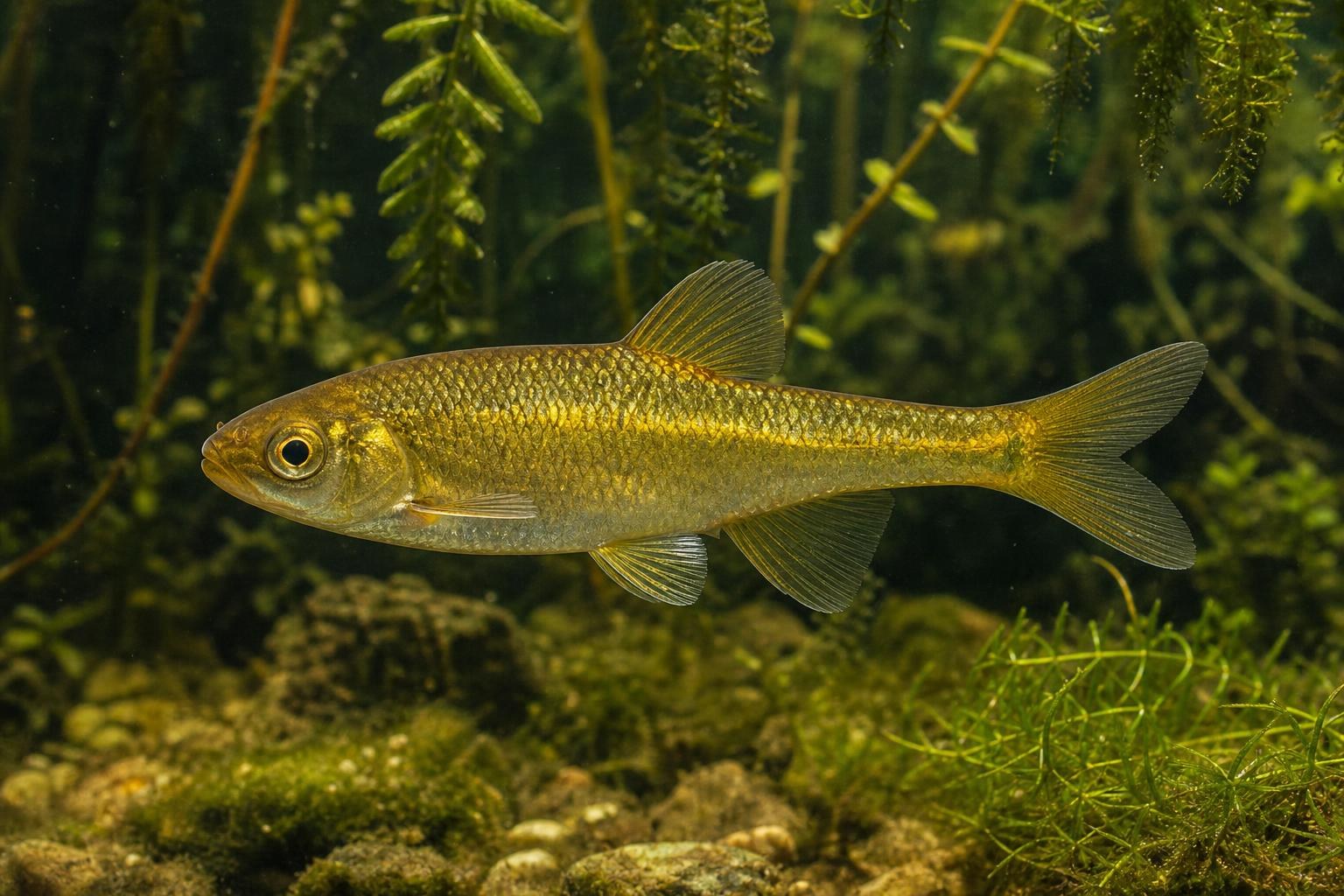
Notemigonus crysoleucas
Golden shiner
Golden shiner (Notemigonus crysoleucas) is identified in UK trade and government documents as a species listed on susceptible/vector lists and is subject to import and movement controls; UK husbandry details are not established in the referenced sources.
View fish guide →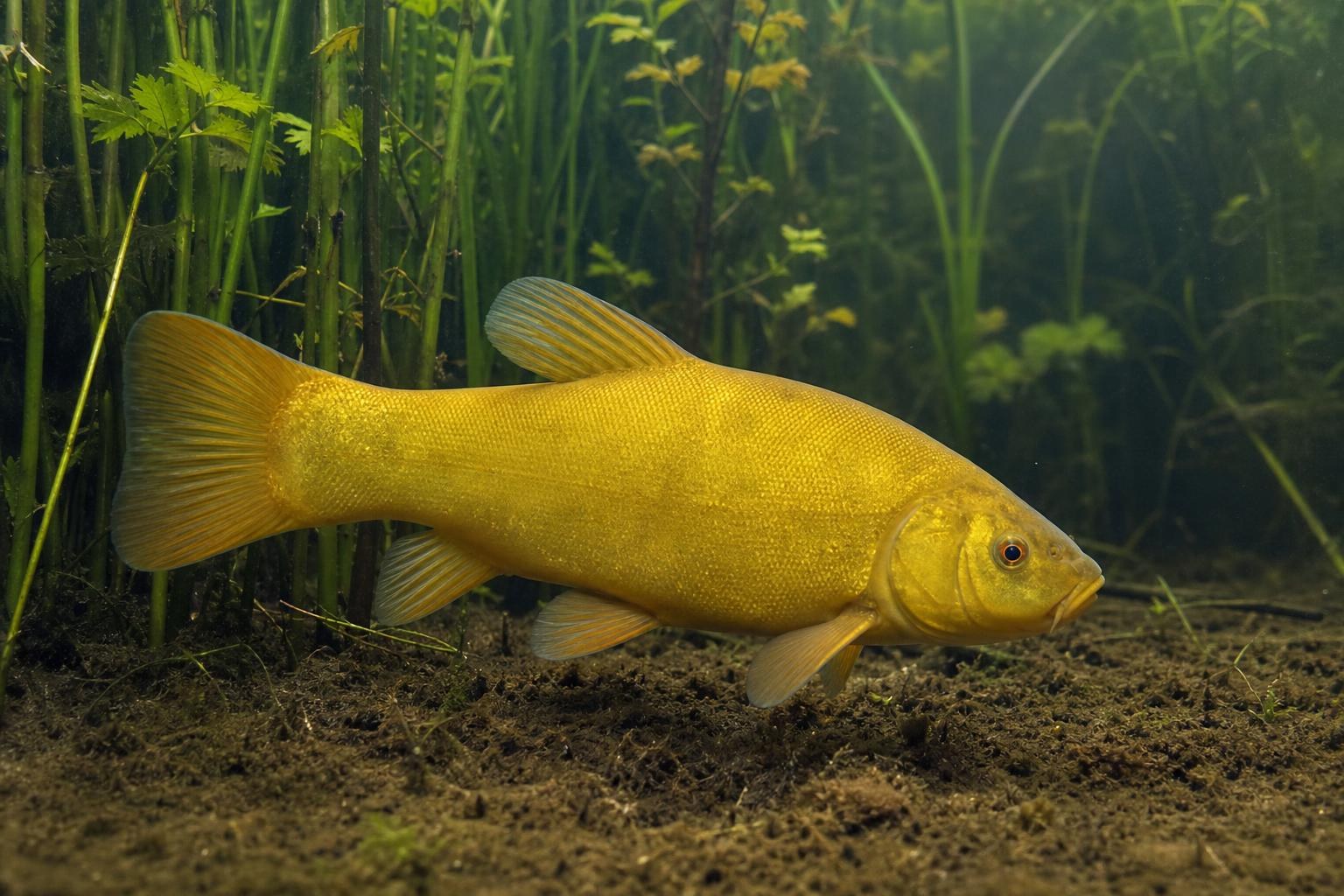
Tinca tinca
Golden Tench
Golden Tench are the ornamental/golden colour form of the native coarse fish Tinca tinca. They are bottom‑feeding, shy pond fish that can grow large; keep them in well‑planted, adequately sized and oxygenated ponds.
View fish guide →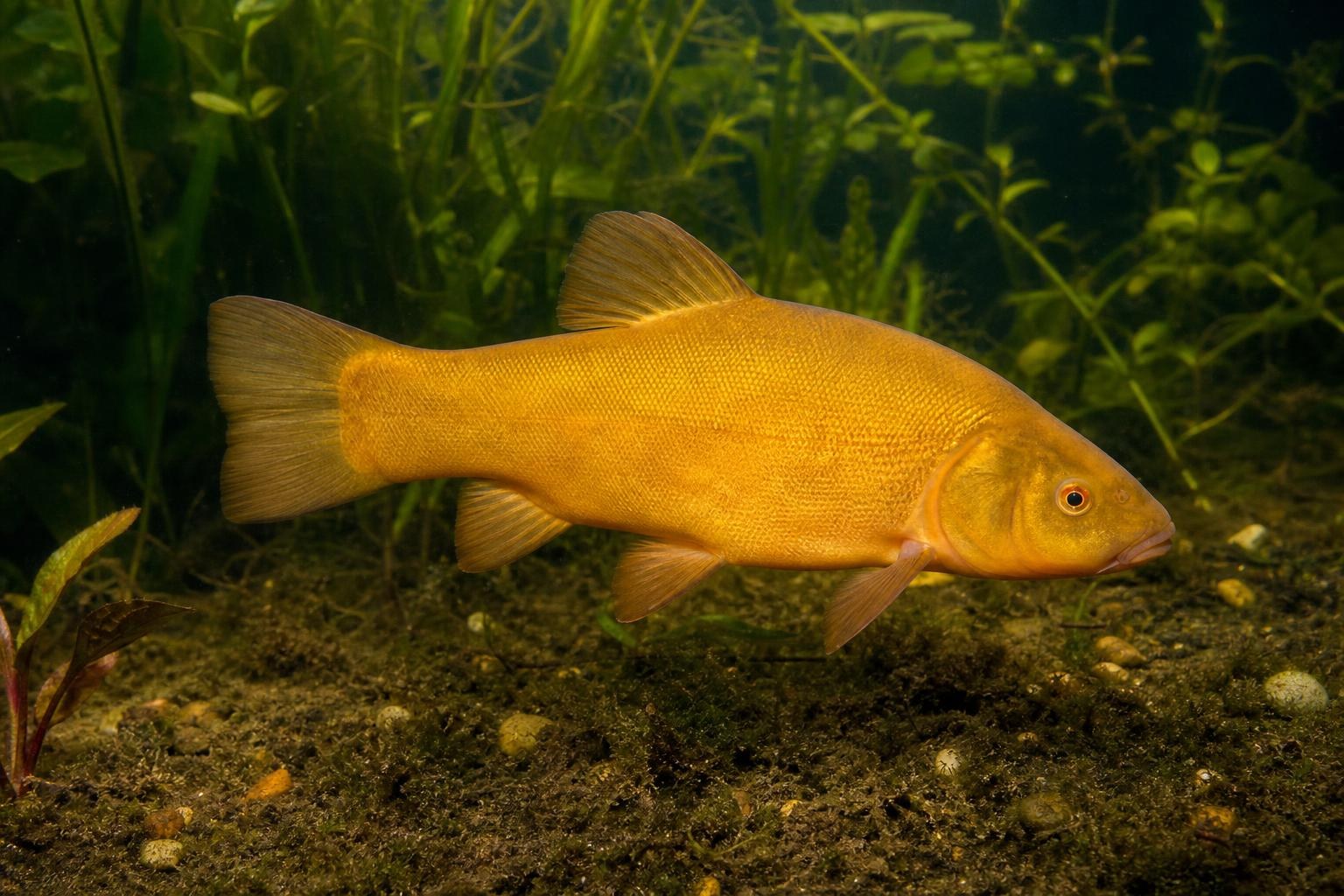
Tinca tinca
Golden Tench Red
A gold-coloured ornamental strain of the common tench (Tinca tinca). A bottom‑dwelling, generally peaceful and hardy pond fish that does best in larger, planted ponds with adequate depth, filtration and soft substrate.
View fish guide →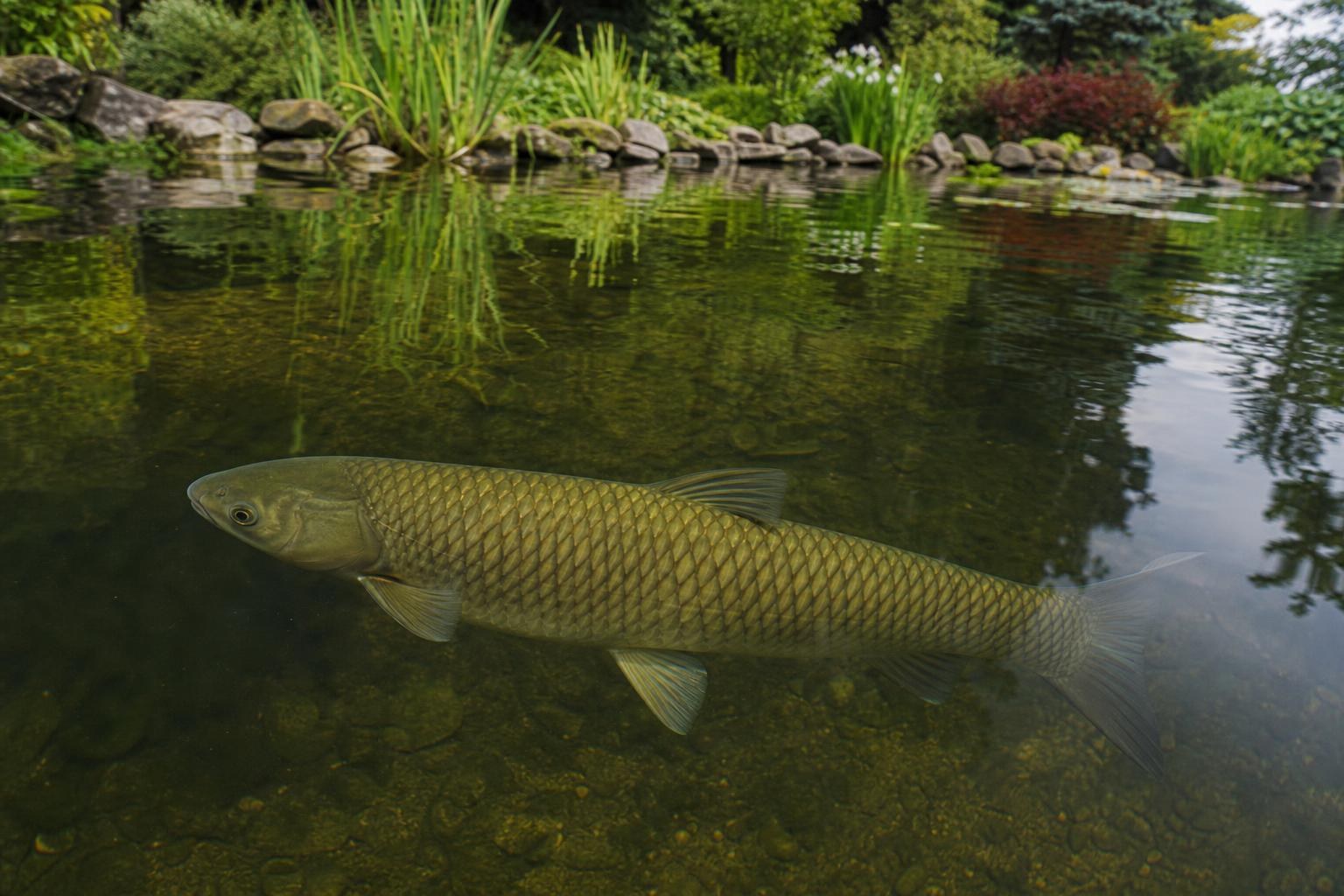
Ctenopharyngodon idella
Grass Carp
A large, principally herbivorous carp used occasionally for macrophyte control. Needs a large, deep, well‑filtered and well‑aerated pond; not suitable for small or wildlife ponds and subject to UK licence requirements.
View fish guide →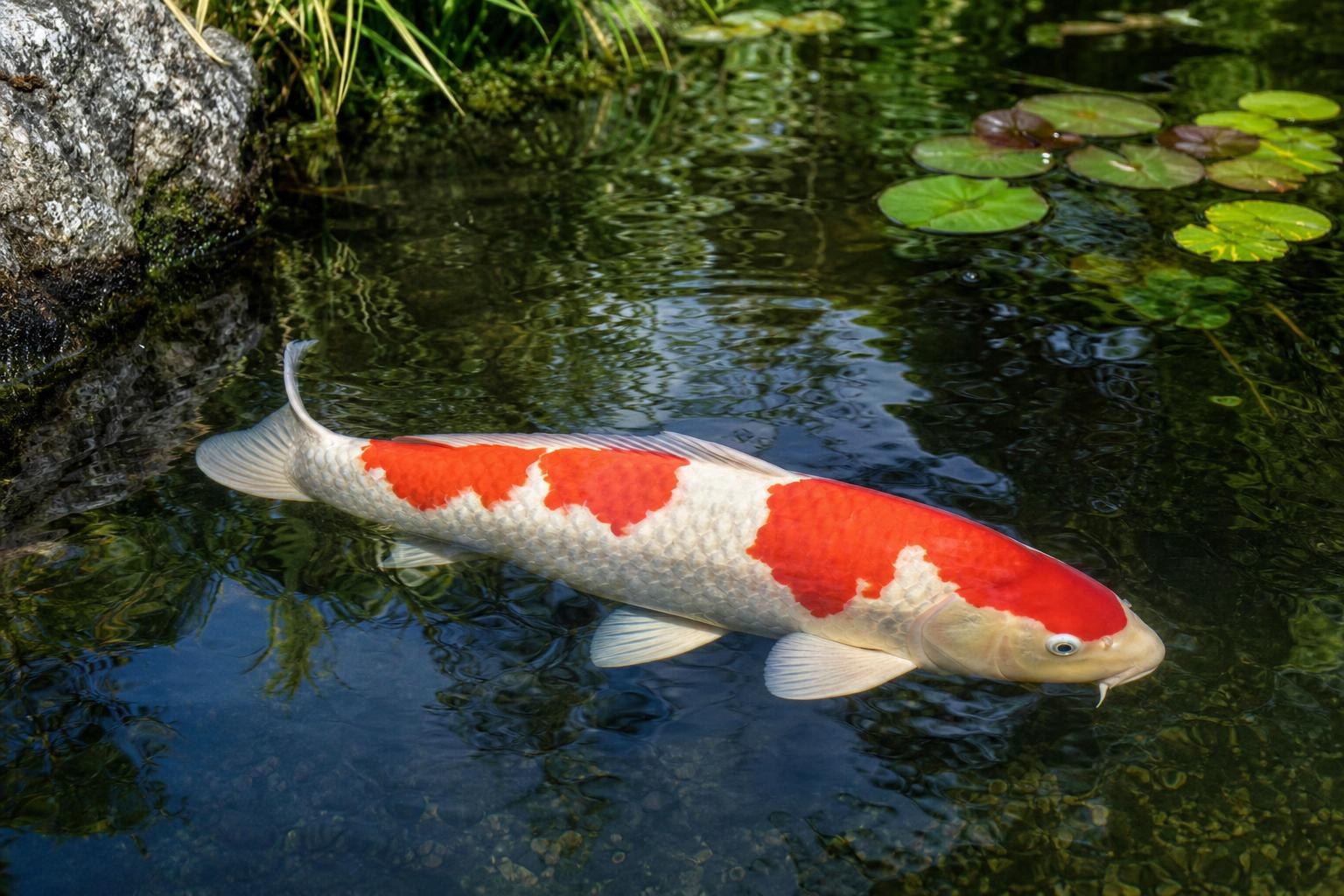
Cyprinus carpio
Kohaku Koi
Kohaku is the classic red‑on‑white colour variety of domesticated koi (nishikigoi). They need a dedicated, large, well‑filtered and aerated pond, careful biosecurity and seasonal feeding changes.
View fish guide →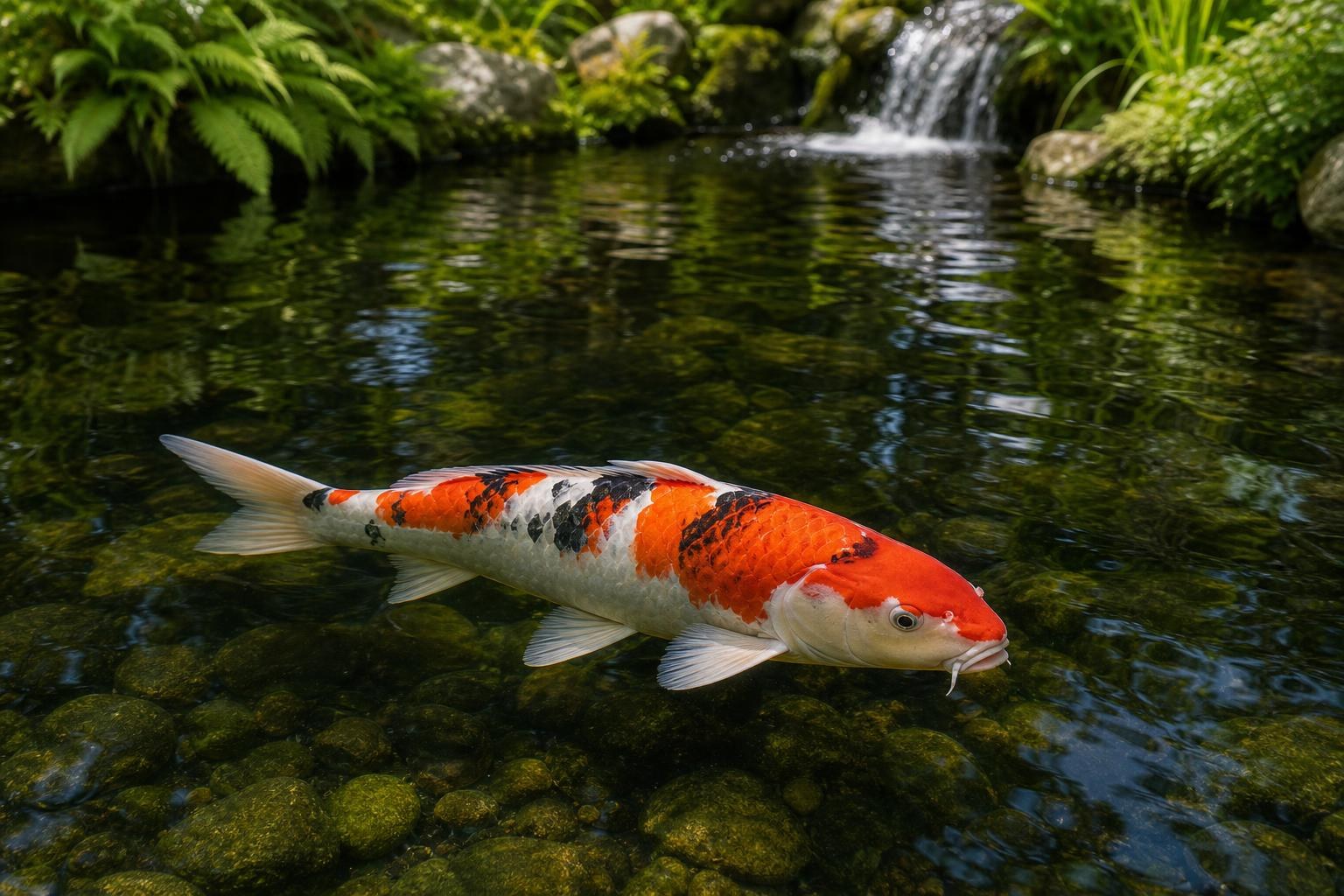
Cyprinus rubrofuscus (synonym Cyprinus carpio)
Koi
Domesticated ornamental carp (koi / Nishikigoi). Industry sources report adult sizes up to c.75–90 cm. Require large, well-filtered ponds (industry guidance: ~4,500 L+, depth ~90–120 cm), stable water quality, and careful biosecurity because of disease risks such as Koi Herpesvirus (KHV). Not suitable for small or wildlife-focused ponds.
View fish guide →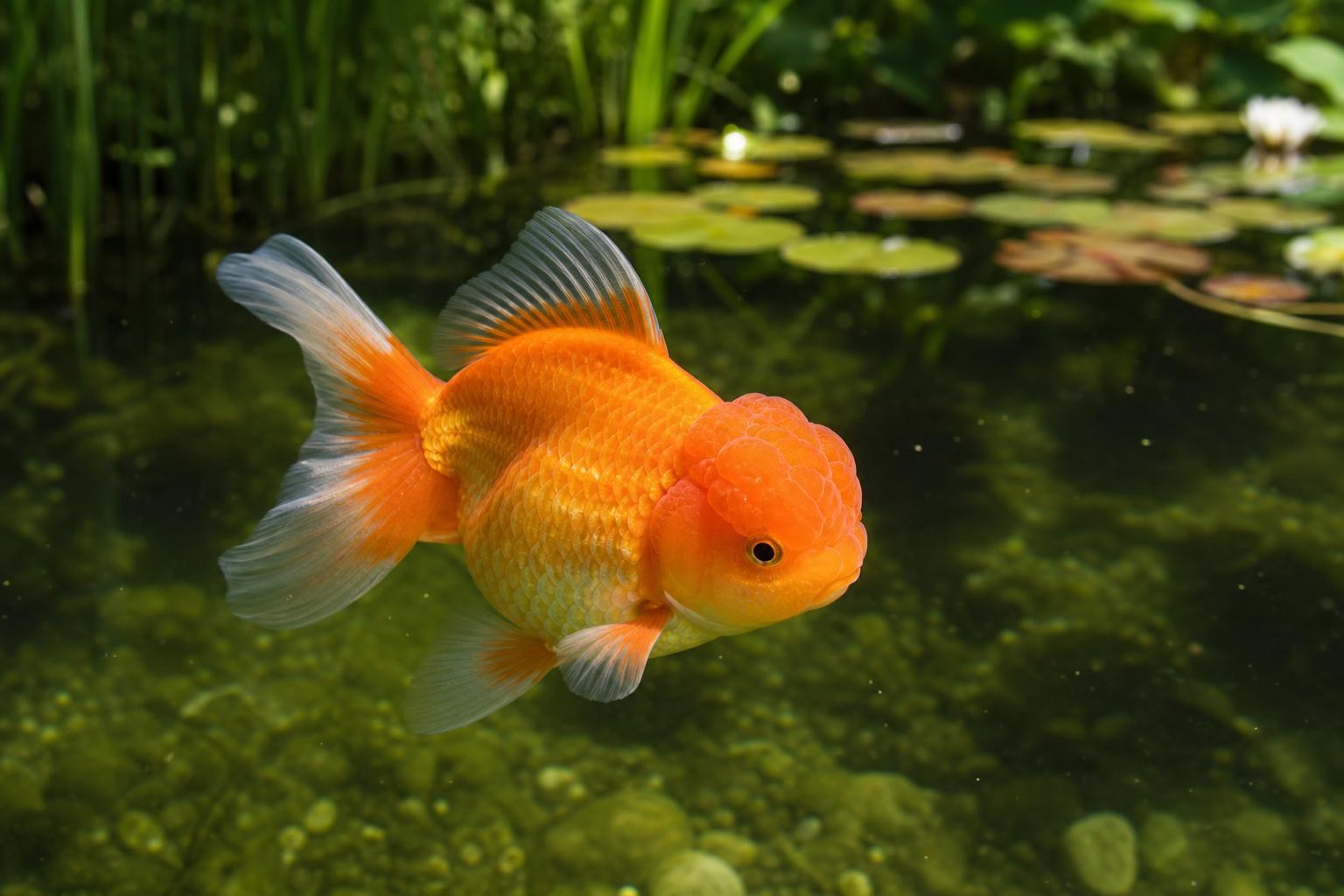
Carassius auratus
Lionhead Goldfish
A fancy (selectively bred) form of goldfish. Lionheads are a domestic variety of Carassius auratus noted for their hooded head growth and rounded body. They are a coldwater, ornamental pond fish requiring stable water quality, adequate depth and good filtration. Lionheads are not recommended for wildlife ponds and owners should take care to avoid releasing them into the wild.
View fish guide →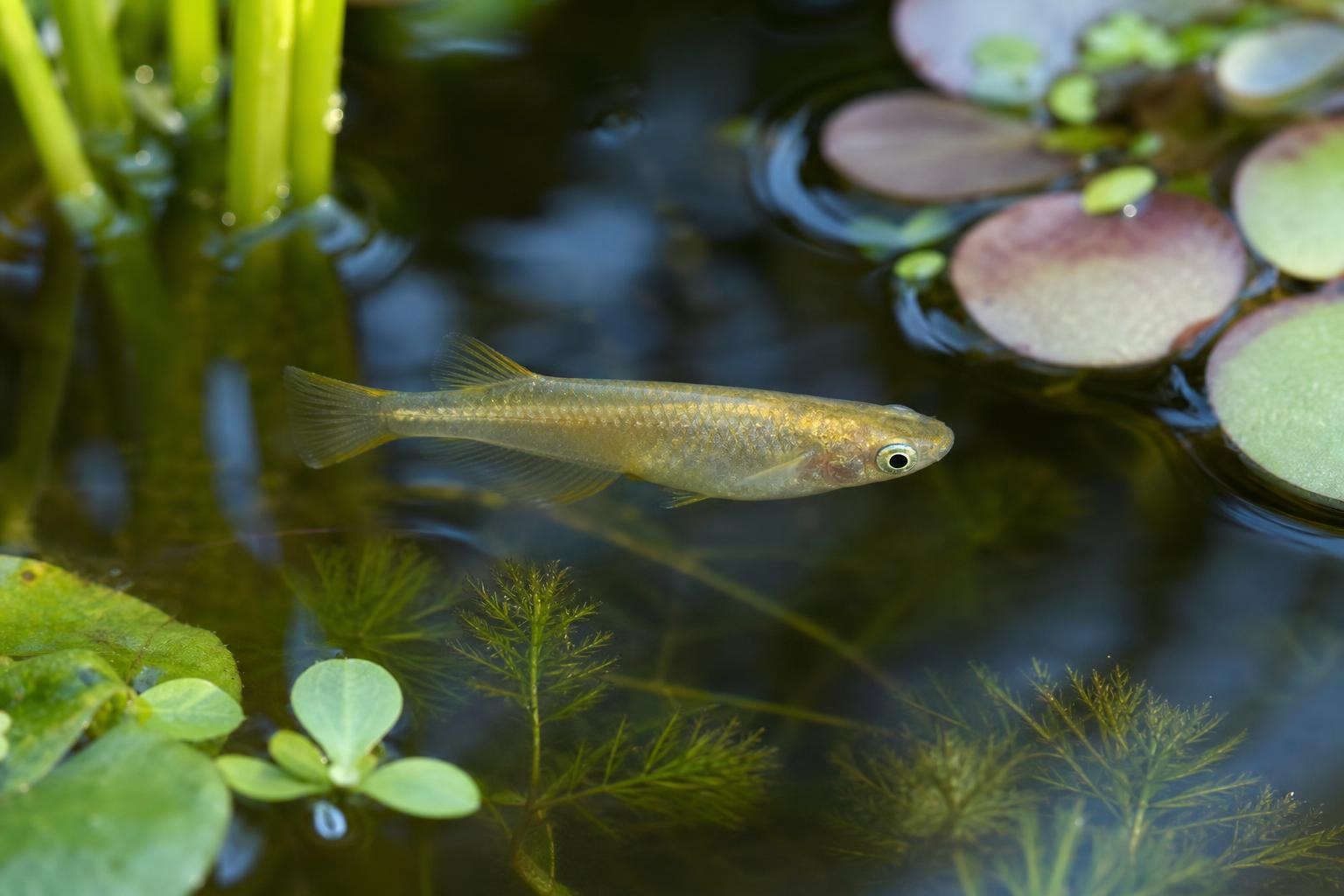
Oryzias latipes
Medaka (Japanese rice fish)
Small, hardy surface‑feeding ricefish kept in aquaria. Not recommended for UK outdoor ponds — industry and UK licensing restrict them to indoor aquaria.
View fish guide →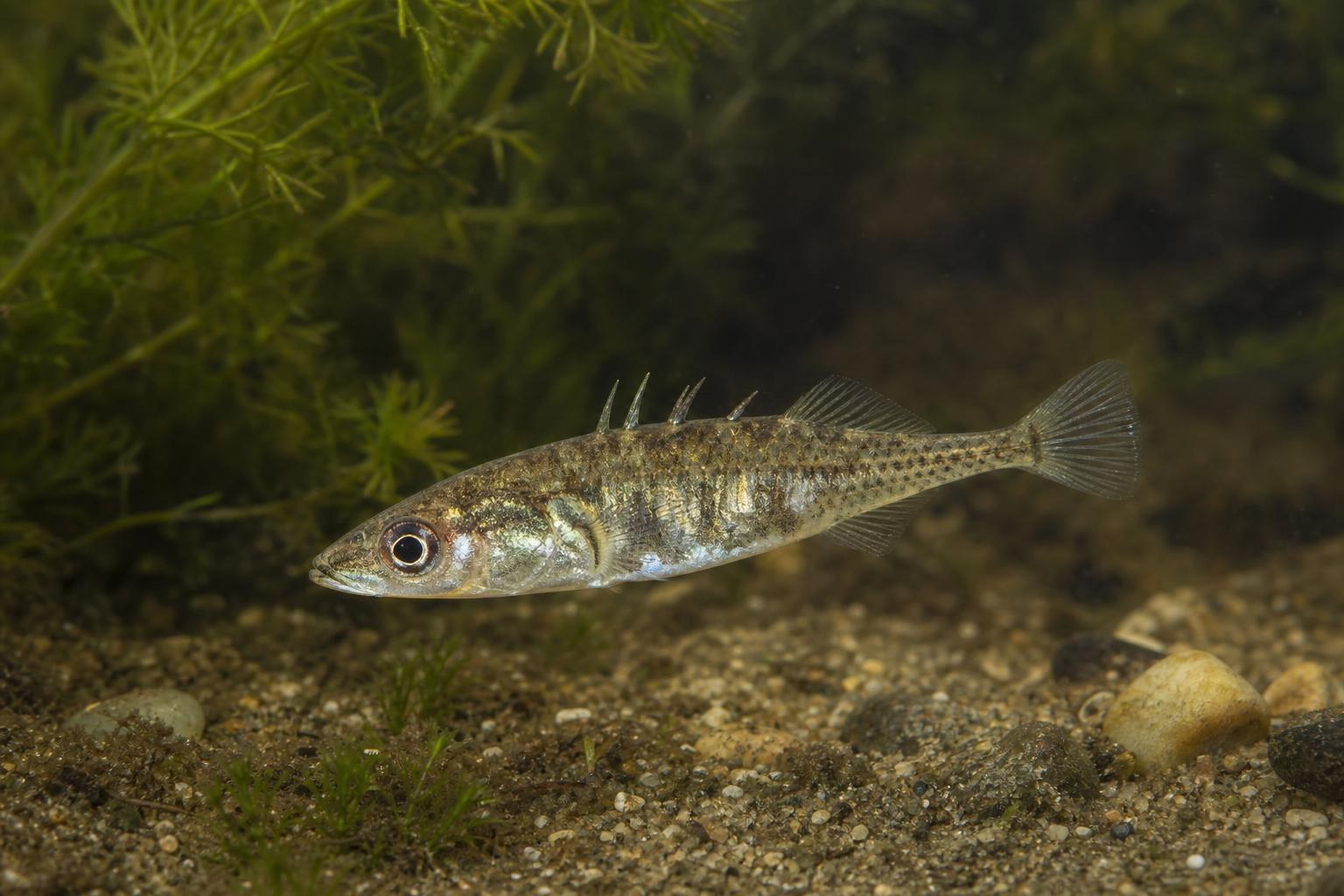
Pungitius pungitius
Nine-spined stickleback
A small native UK pond fish recorded from ponds, ditches and other small standing waters. A micro‑predator that feeds on tiny crustaceans, insect larvae and amphibian eggs; its presence can reduce amphibian recruitment.
View fish guide →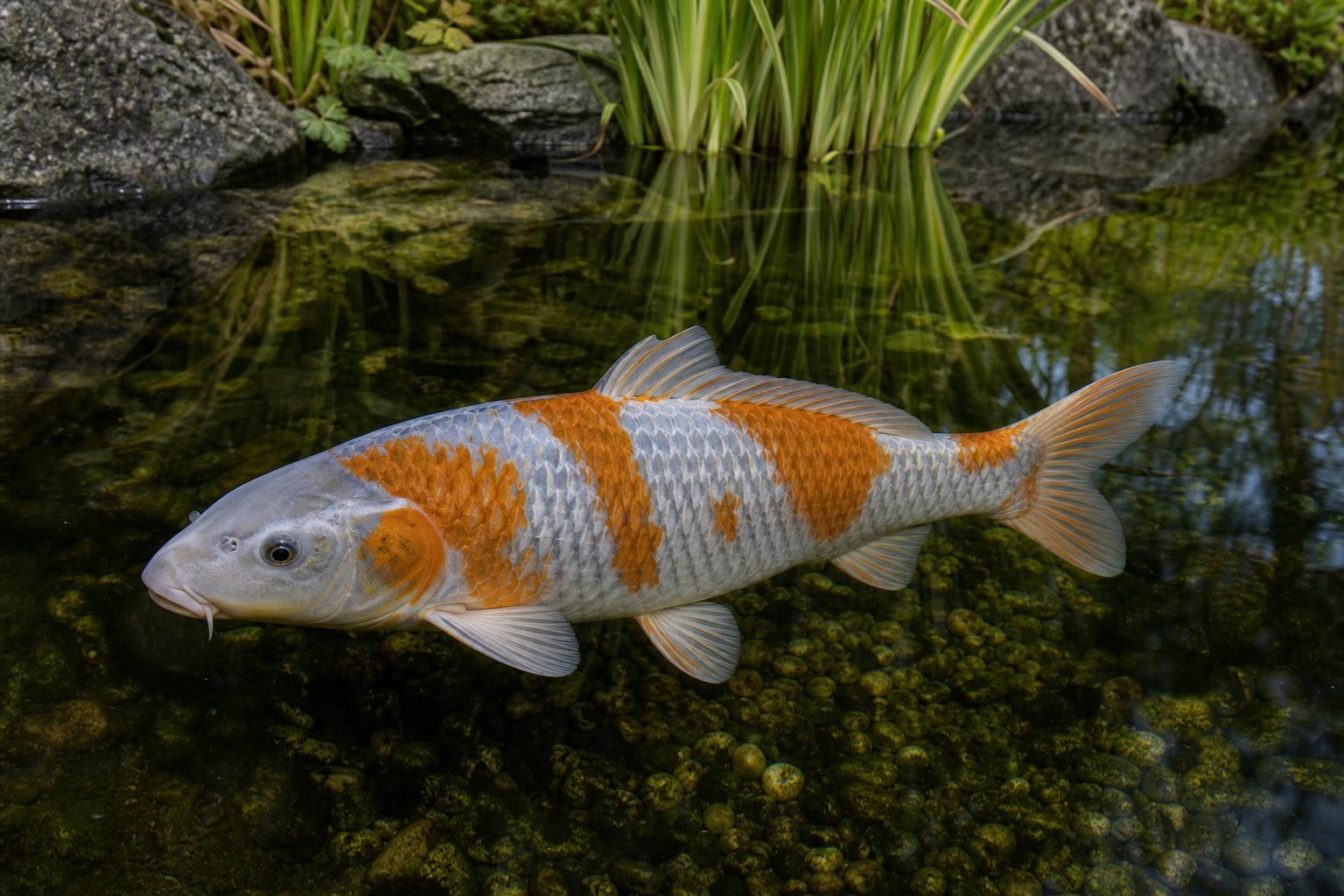
Cyprinus carpio
Ochiba Koi
'Ochiba' is a colour/pattern name used for koi (ornamental common carp). Husbandry follows general koi guidance: large, deep ponds (several thousand litres), strong filtration, aeration and seasonal feeding.
View fish guide →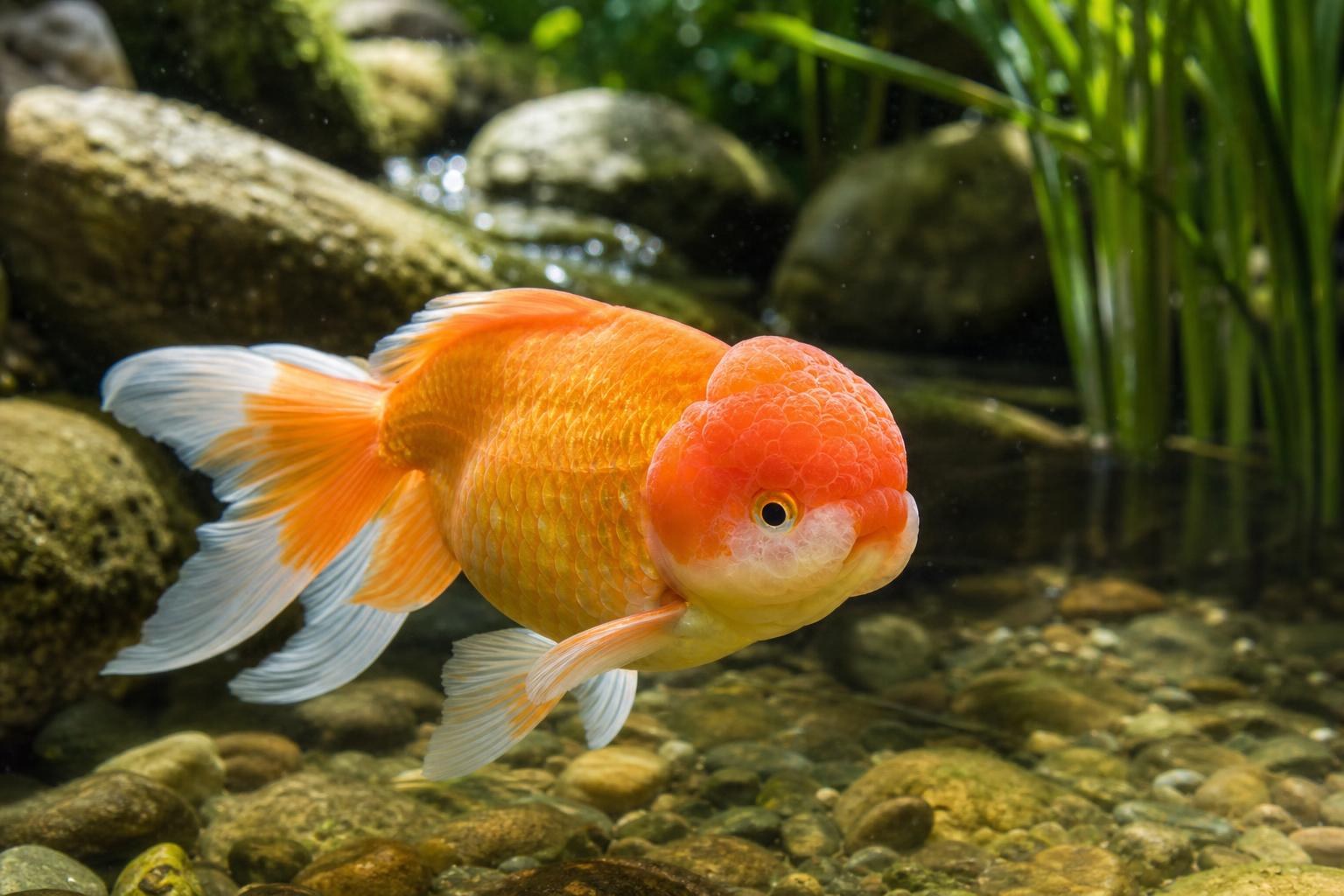
Carassius auratus
Oranda Goldfish
A fancy variety of domestic goldfish with a distinctive head 'wen'. Typically reaches about 20 cm, needs careful husbandry and is generally recommended for aquaria rather than small garden ponds.
View fish guide →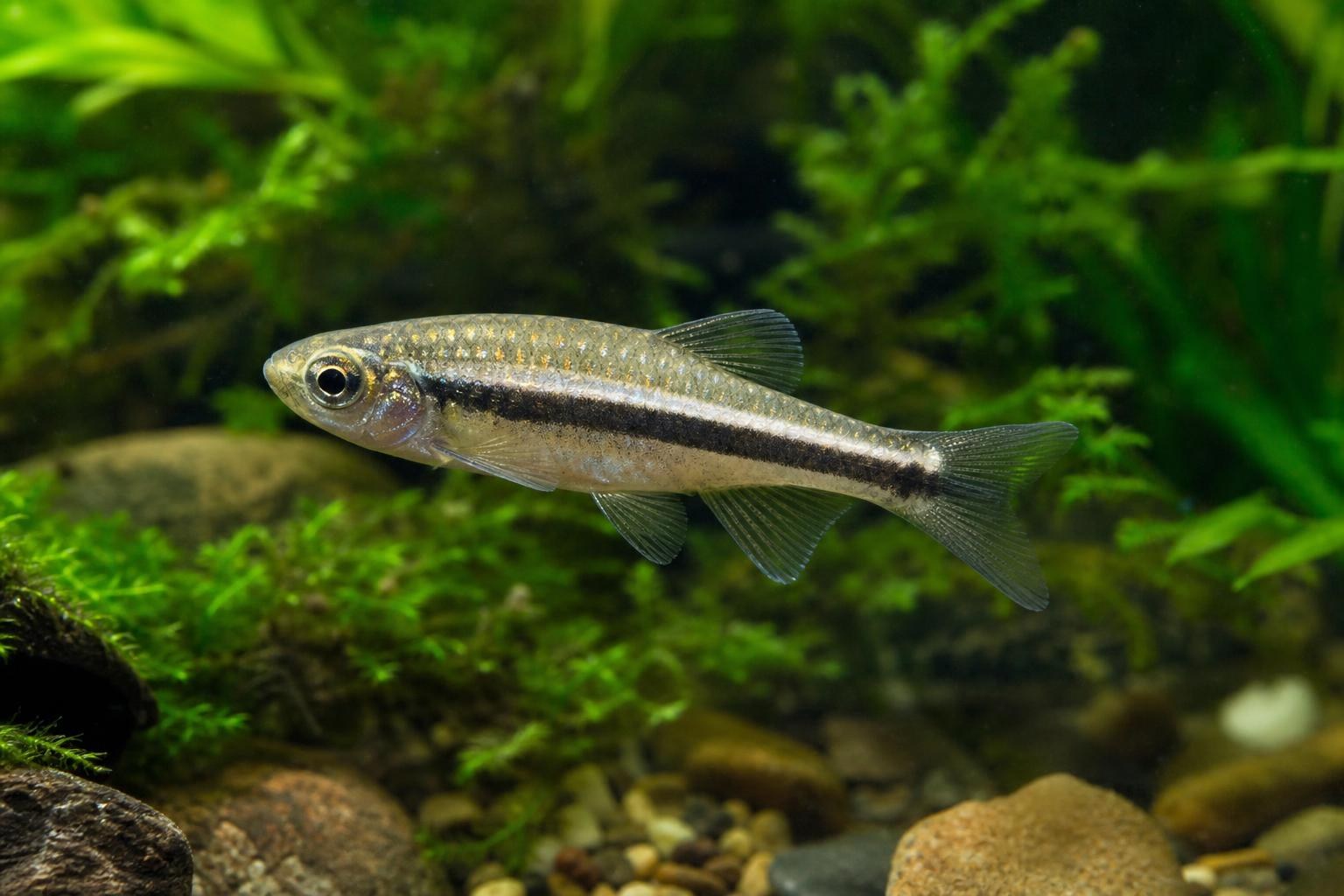
Danio albolineatus
Pearl Danio
Small, active schooling danio commonly sold as Danio albolineatus. Suitable for indoor aquaria (17–27°C), omnivorous and beginner‑friendly. Not permitted in UK garden or wildlife ponds under current guidance.
View fish guide →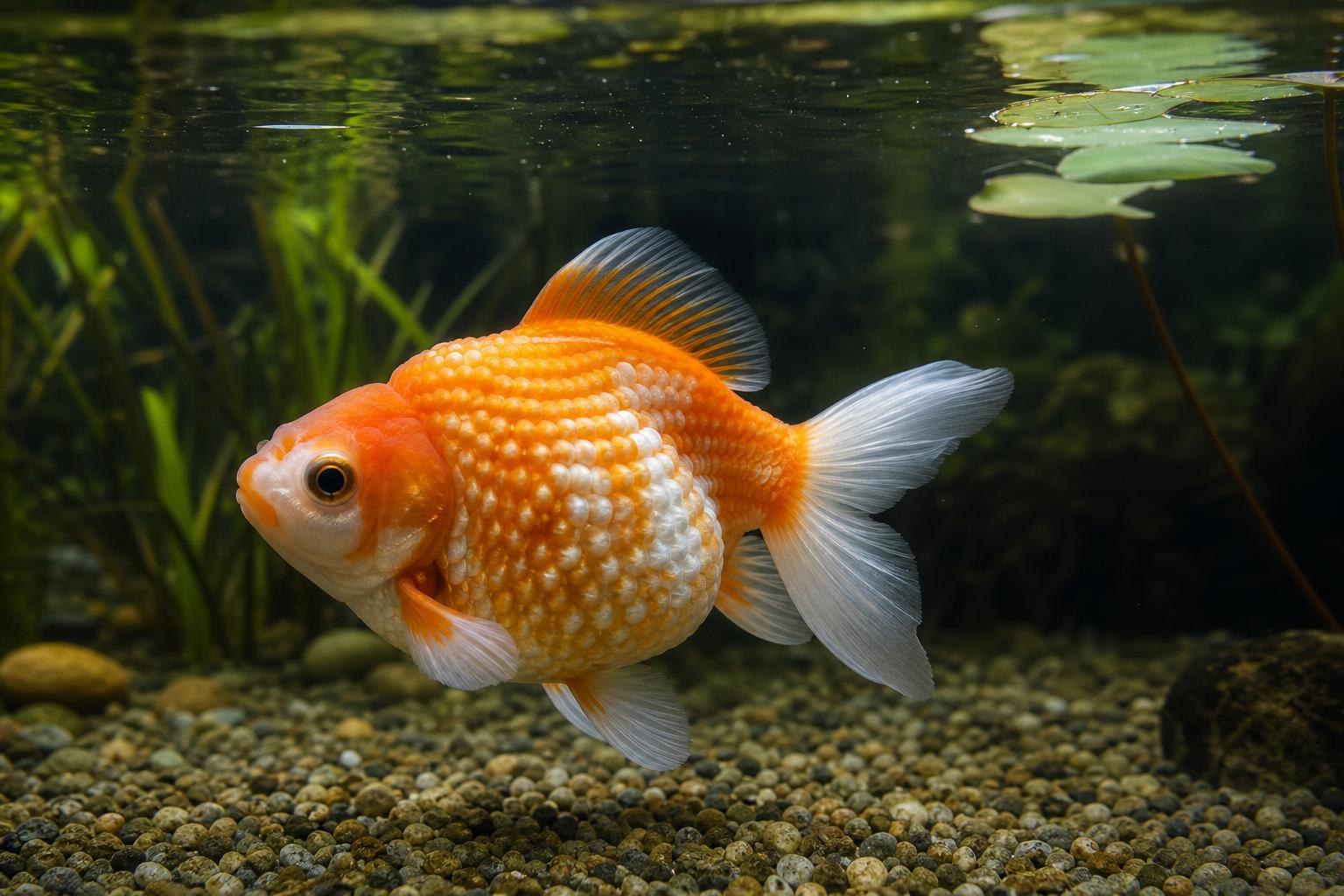
Carassius auratus
Pearlscale Goldfish
A fancy goldfish variety with rounded body and raised, pearly scales. Grows to about 20 cm, is cold‑tolerant but more delicate than common goldfish and needs good filtration, aeration and stable pond conditions.
View fish guide →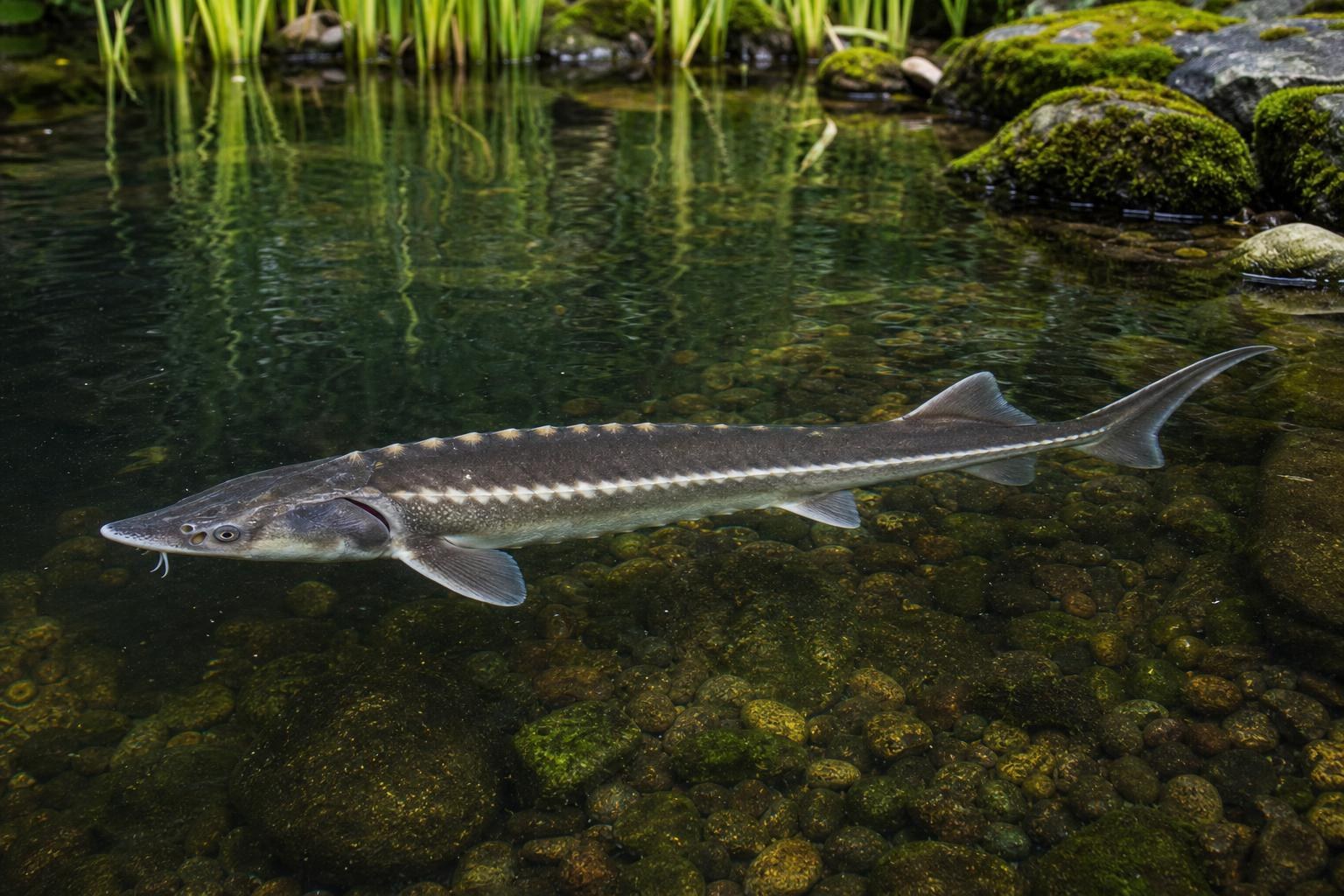
Acipenser spp. (commonly sold as Sterlet, Acipenser ruthenus)
Pond Sturgeon
A trade name for small or juvenile sturgeons (Acipenser spp.), most commonly sterlet in the UK ornamental market. Requires large, deep, well‑filtered ponds, strong aeration and a sinking high‑protein diet — not suitable for small or wildlife ponds.
View fish guide →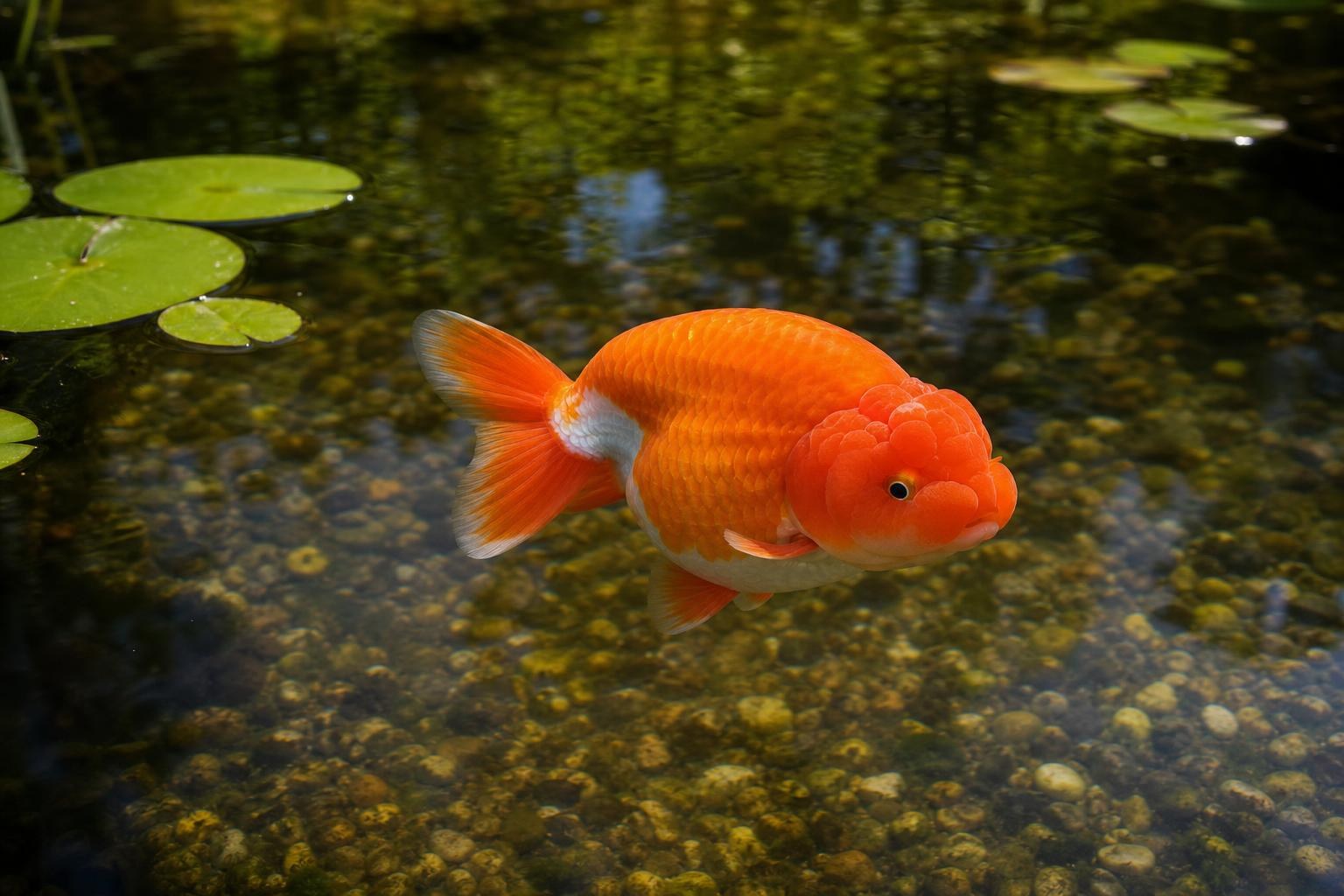
Carassius auratus
Ranchu Goldfish
A fancy-goldfish variety of Carassius auratus, Ranchu grow to about 20 cm, need good filtration and aeration, prefer ponds 45–60 cm deep and tolerate cold. Do not add to wildlife ponds or release into the wild.
View fish guide →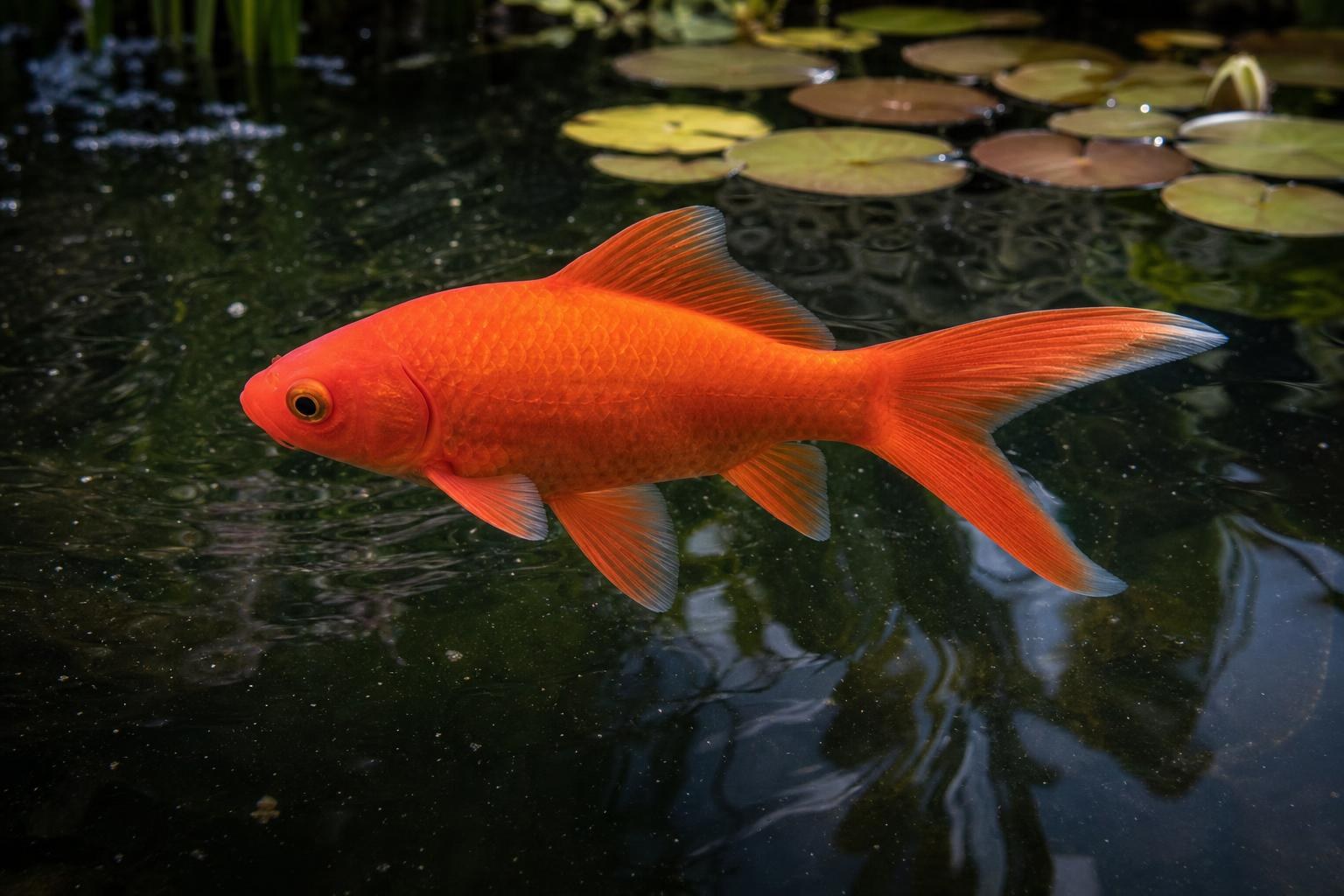
Carassius auratus
Red Comet Goldfish
A comet-type domesticated goldfish, the Red Comet is an active, hardy pond fish often kept in UK garden ponds. Adults commonly reach about 30 cm and need good filtration, aeration and swimming space.
View fish guide →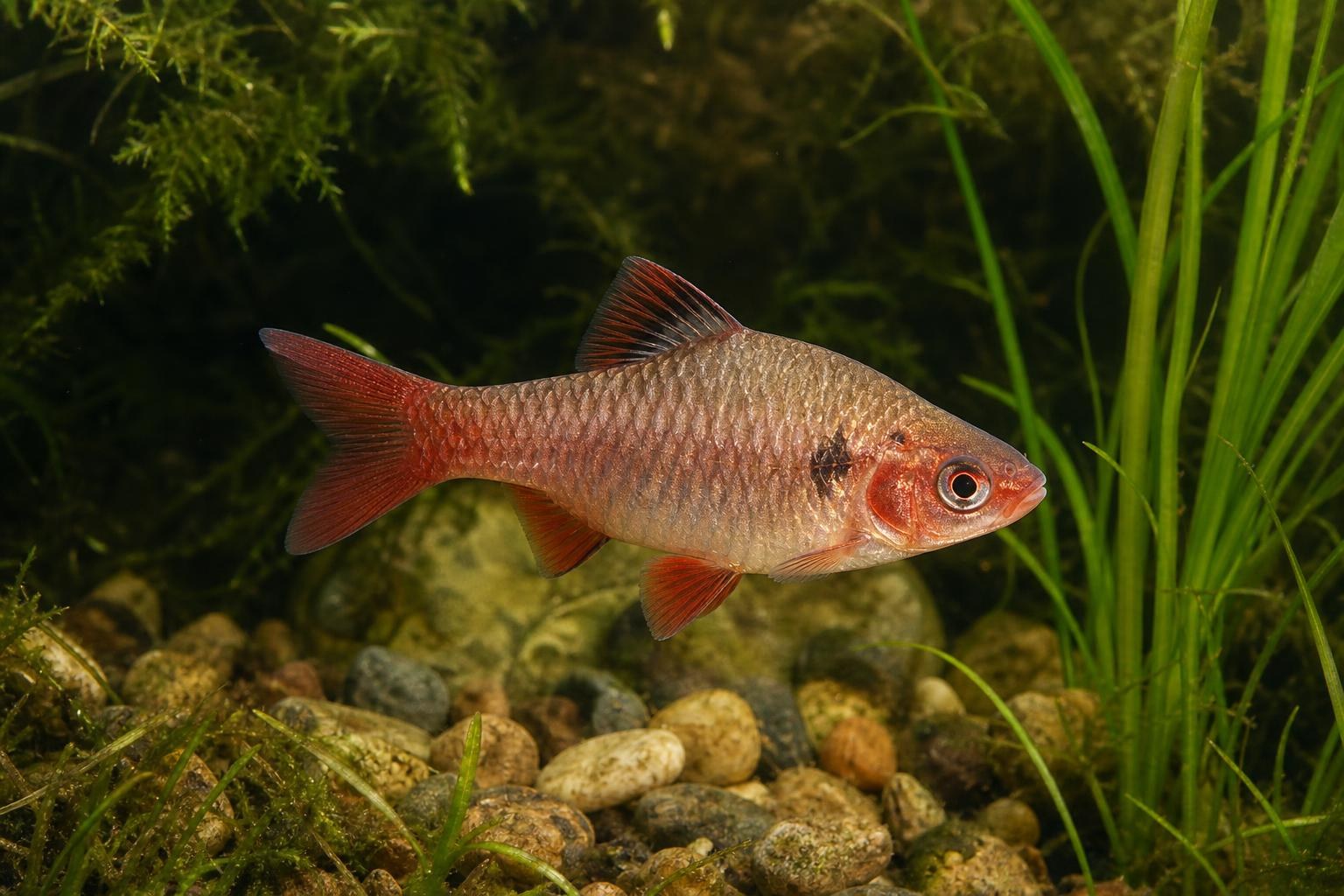
Pethia conchonius
Rosy Barb
A hardy, active shoaling barb used in the aquarium trade. Trade sources give adult sizes of about 8–10 cm and differing temperature ranges (15–24 °C and 17–27 °C). Not recommended for wildlife or very small garden ponds; needs filtration, a shoal and good biosecurity.
View fish guide →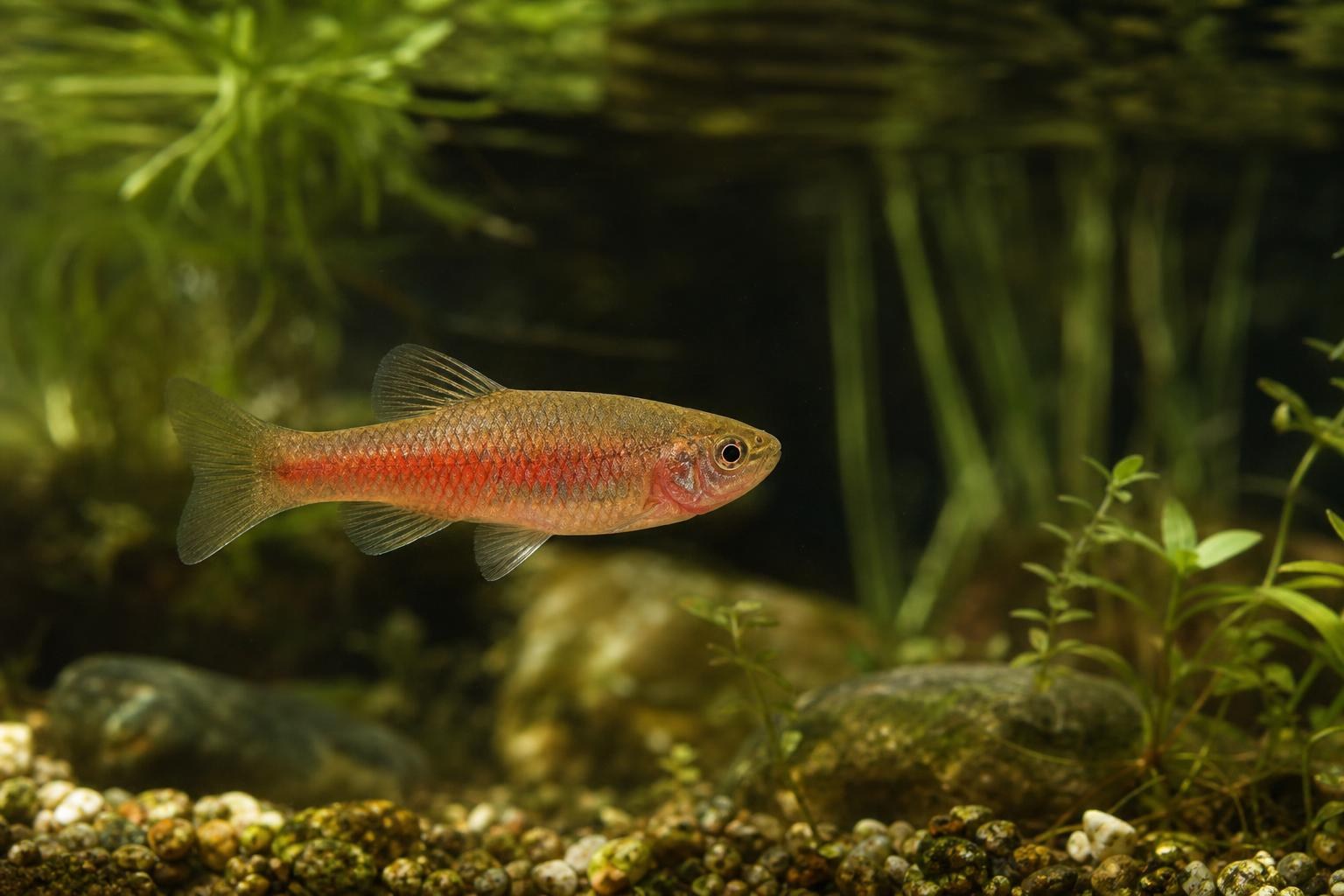
Pimephales promelas
Rosy Red Minnow
Rosy Red Minnow is the ornamental strain of the fathead minnow (Pimephales promelas). Small (to about 6 cm), hardy and omnivorous, it is a recognised non‑native in the UK and must not be released into outdoor ponds.
View fish guide →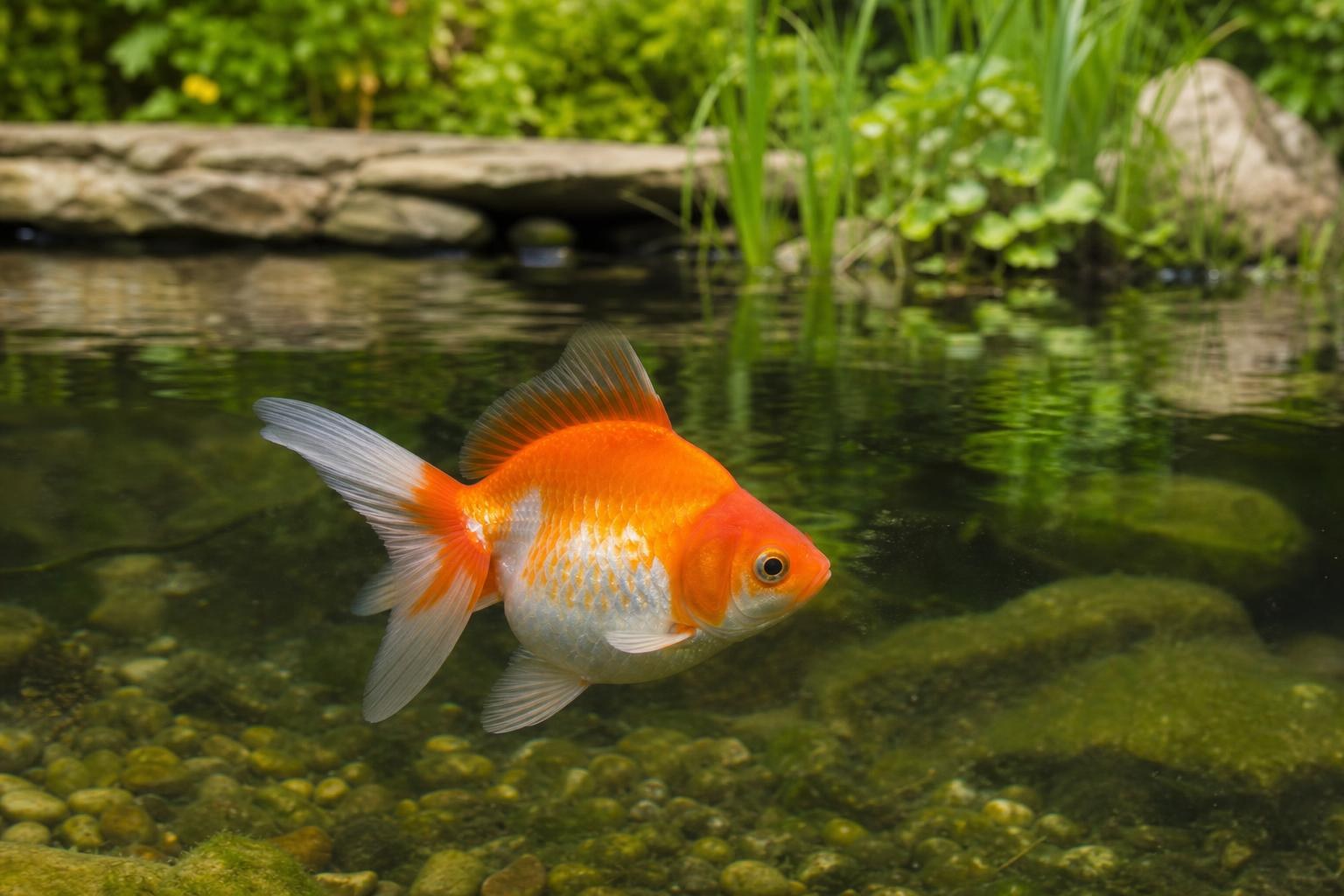
Carassius auratus
Ryukin Goldfish
Ryukin are a fancy variety of goldfish (Carassius auratus). They typically reach about 20 cm, are omnivorous and social, and need good filtration, oxygenation and regular maintenance in garden ponds. They are unsuitable for wildlife ponds and must never be released into the wild.
View fish guide →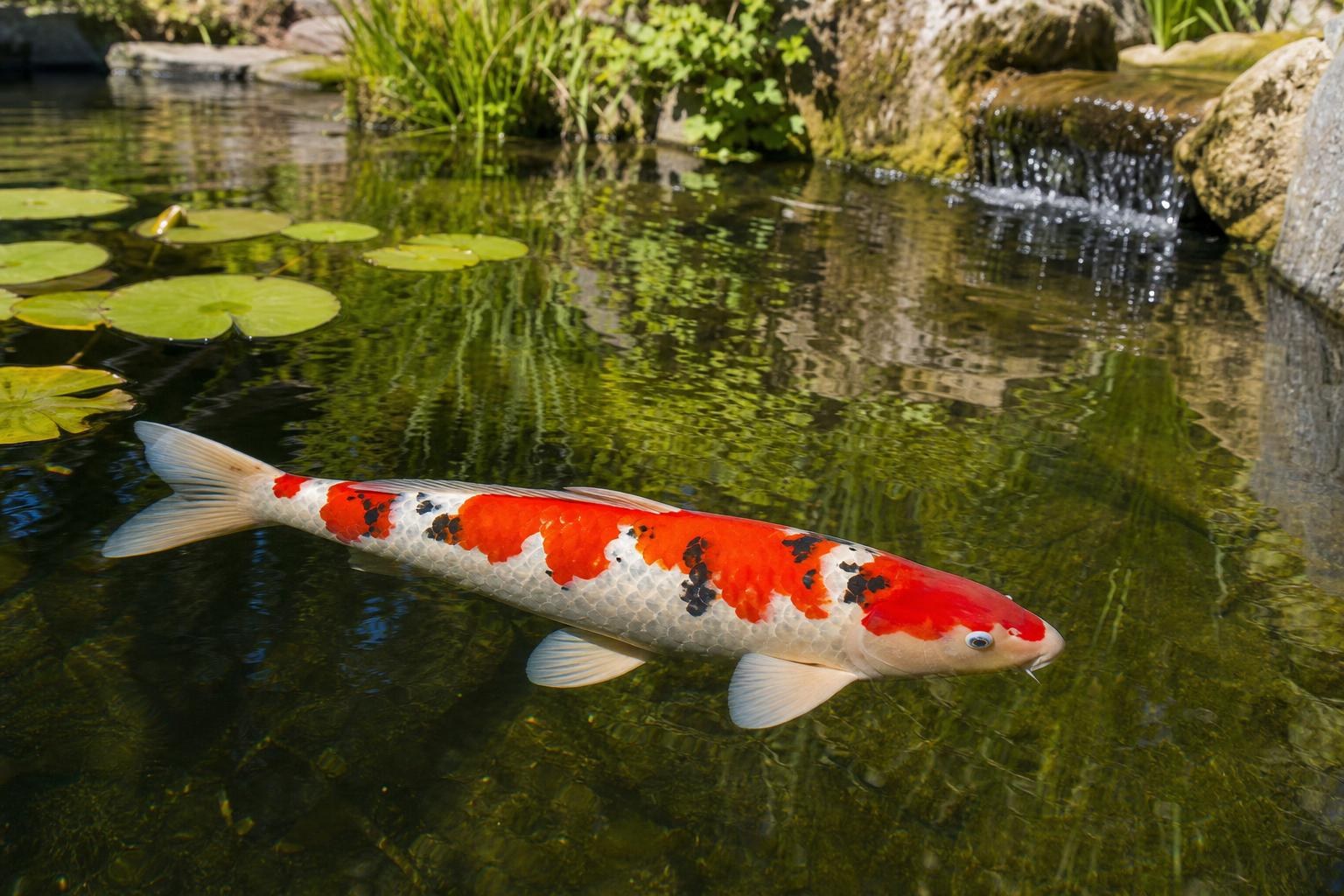
Cyprinus carpio
Sanke Koi
A trade variety of ornamental carp (koi) treated as common/ornamental carp in UK guidance. Sanke require large, deep, well‑filtered ponds and are unsuitable for small or wildlife ponds.
View fish guide →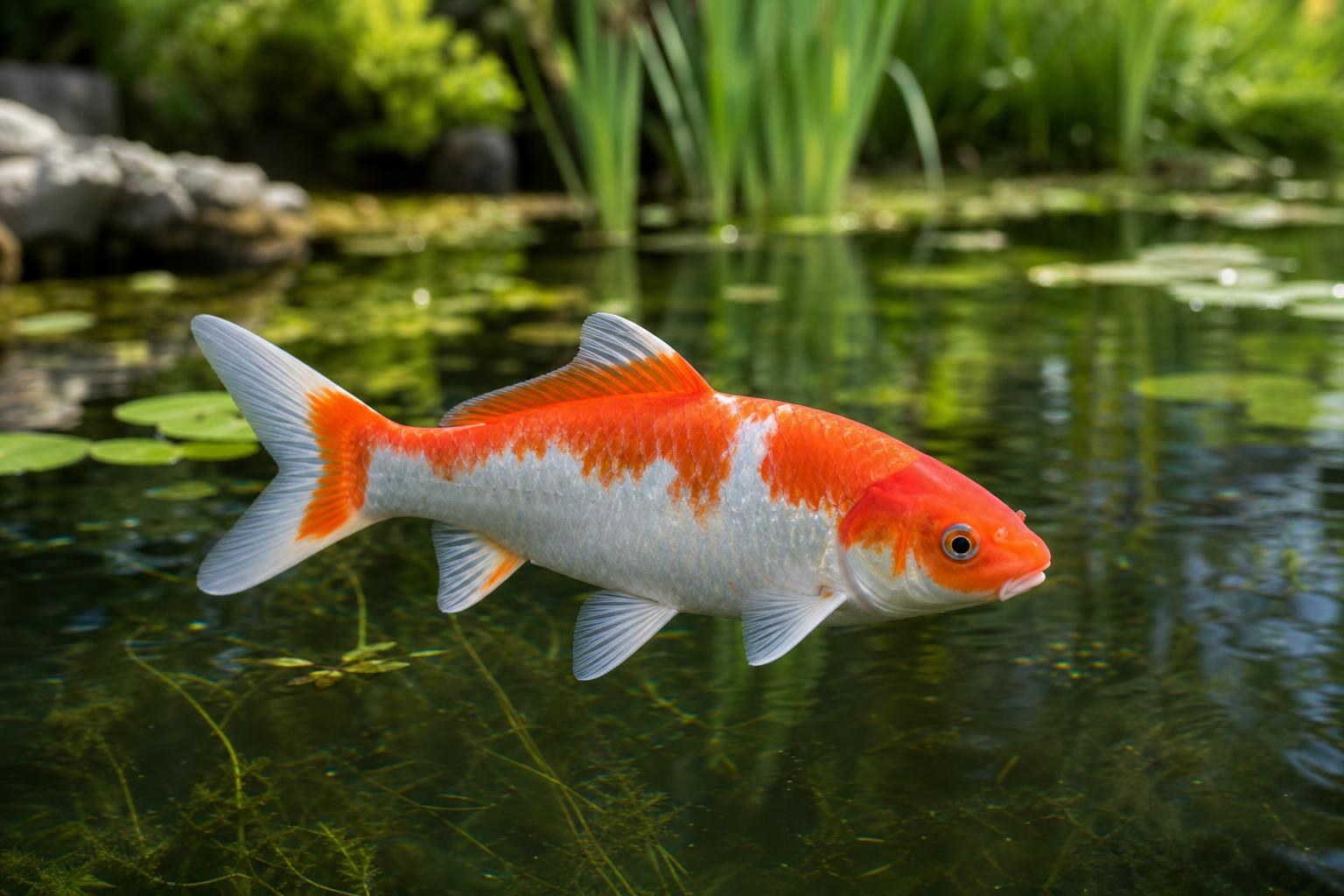
Carassius auratus
Sarasa Comet
The Sarasa Comet is a single‑tailed ornamental variety of goldfish (Carassius auratus). Hardy and active, they are widely kept in UK garden ponds, commonly reaching around 30 cm in good conditions. They need adequate filtration, aeration and pond depth and should never be released to the wild.
View fish guide →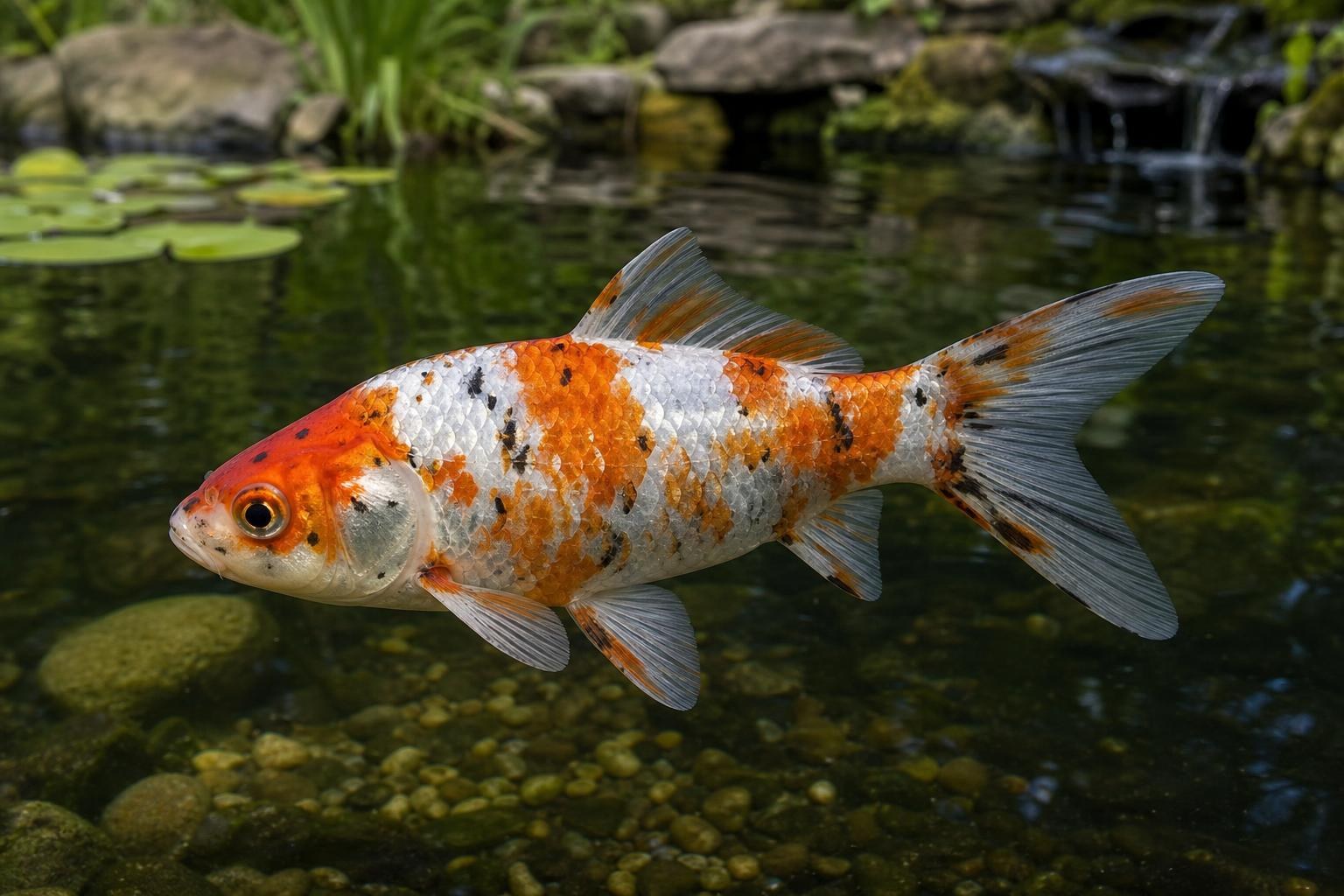
Carassius auratus
Sarasa Shubunkin
A red-and-white calico, single‑tailed form of domestic goldfish. Hardy and active, suitable for outdoor ponds if given adequate depth, filtration and stocking space. Expect adult sizes commonly in the 25–30 cm range, with larger reports to 40+ cm. Do not release to the wild; prevent escapes and follow UK guidance on non‑native species.
View fish guide →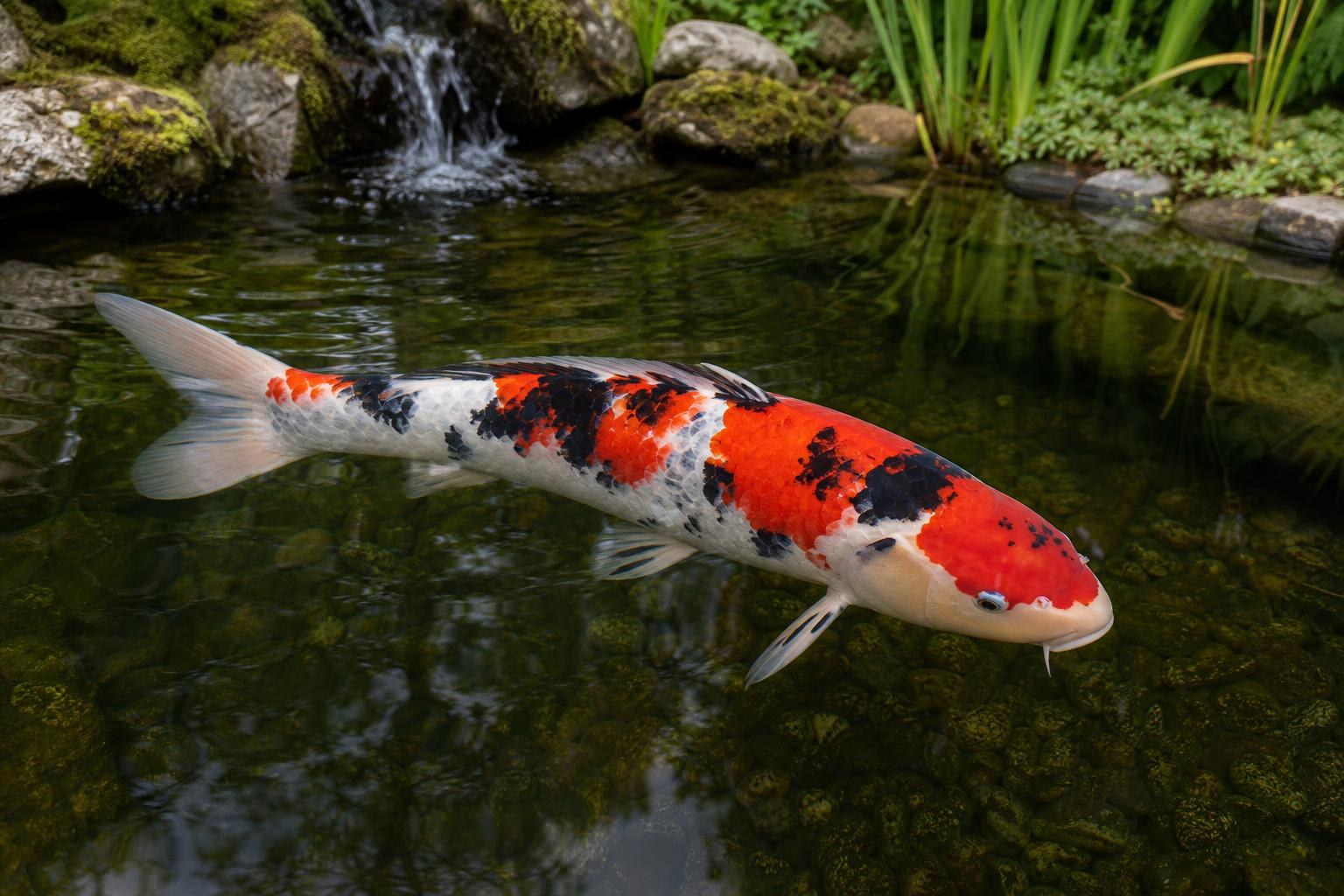
Cyprinus carpio
Showa (Showa Sanshoku)
Showa are a named colour variety of koi (Cyprinus carpio). Adults in garden ponds commonly reach about 60–75 cm. They need deep, well‑filtered ponds (trade guidance commonly cites 4,500 L+ and ≥90 cm depth), good aeration, strict biosecurity and are not suitable for small or wildlife ponds.
View fish guide →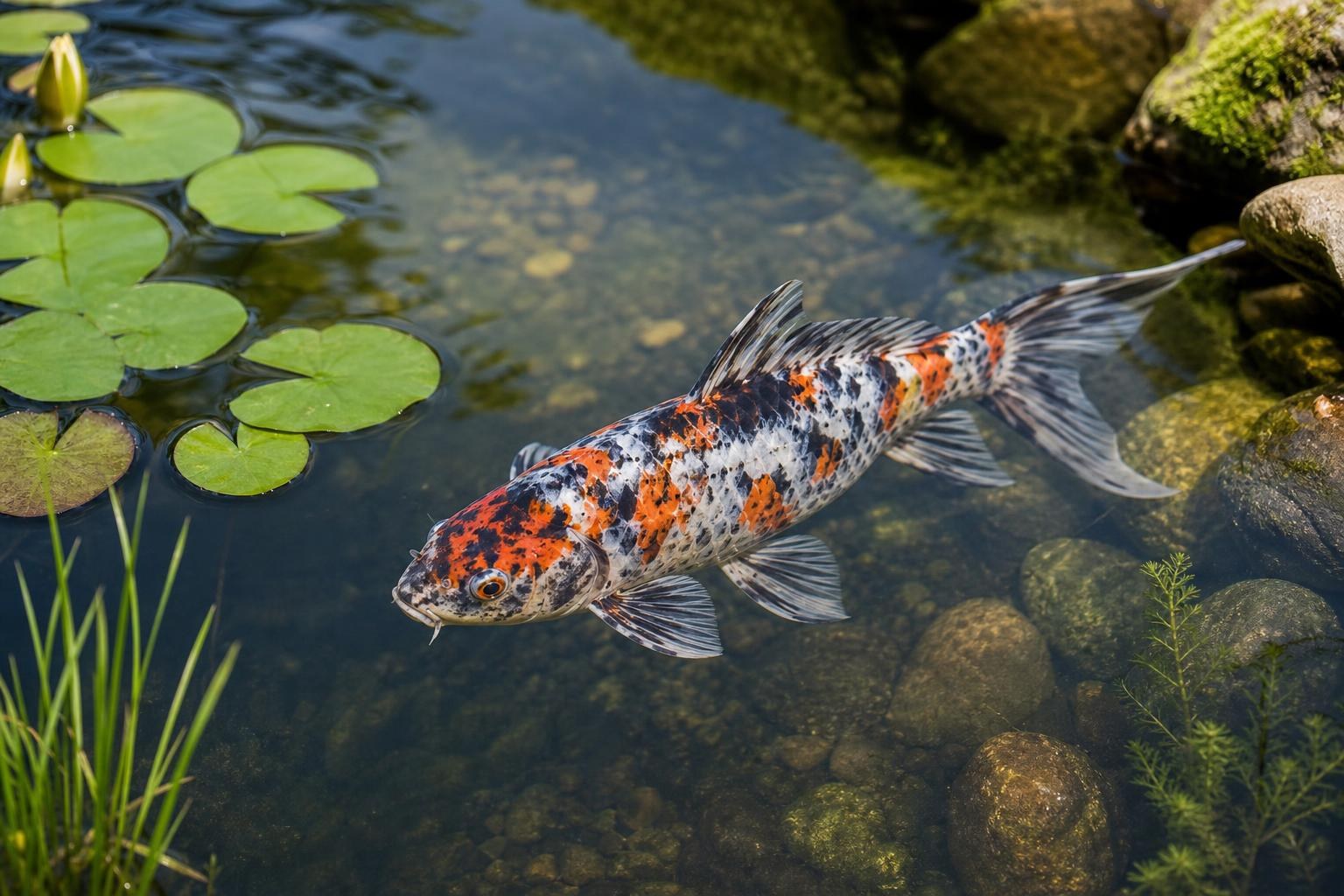
Carassius auratus
Shubunkin
Shubunkins are a hardy, colourful variety of domestic goldfish suited to well-filtered garden ponds. They are omnivorous, social and active foragers, but can uproot delicate plants and should not be released into wild waterbodies.
View fish guide →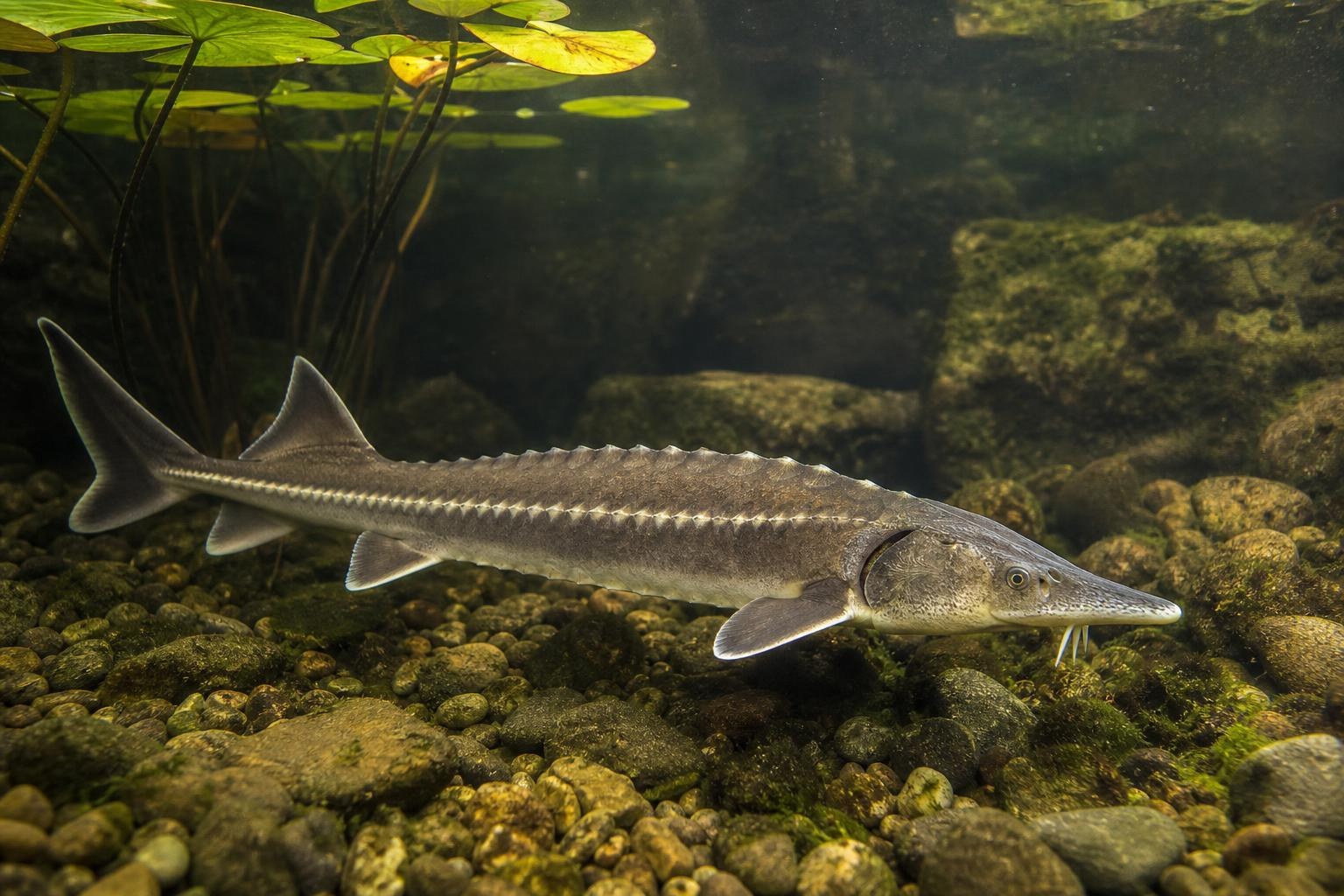
Acipenser ruthenus
Sterlet
A small sturgeon species (grown to about 1 m) suited only to large, deep, well‑filtered UK garden ponds. Requires sinking high‑protein food, strong oxygenation and careful legal/stocking controls.
View fish guide →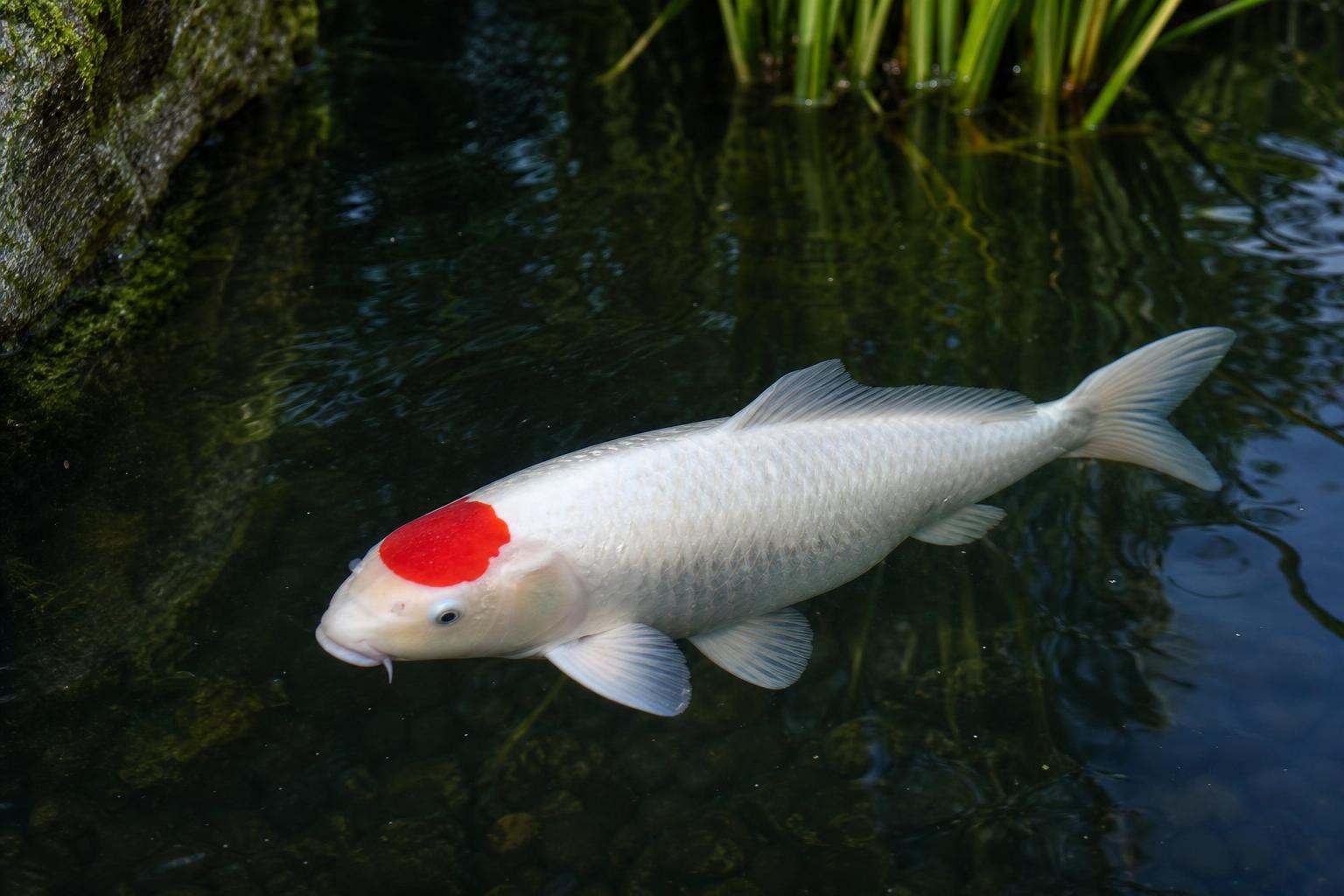
Cyprinus carpio
Tancho Koi
Tancho is a named colour/pattern variety of ornamental koi (Cyprinus carpio) characterised by a single red head spot. Treat Tancho the same as other koi for pond planning: large, deep ponds, robust filtration and careful biosecurity are required.
View fish guide →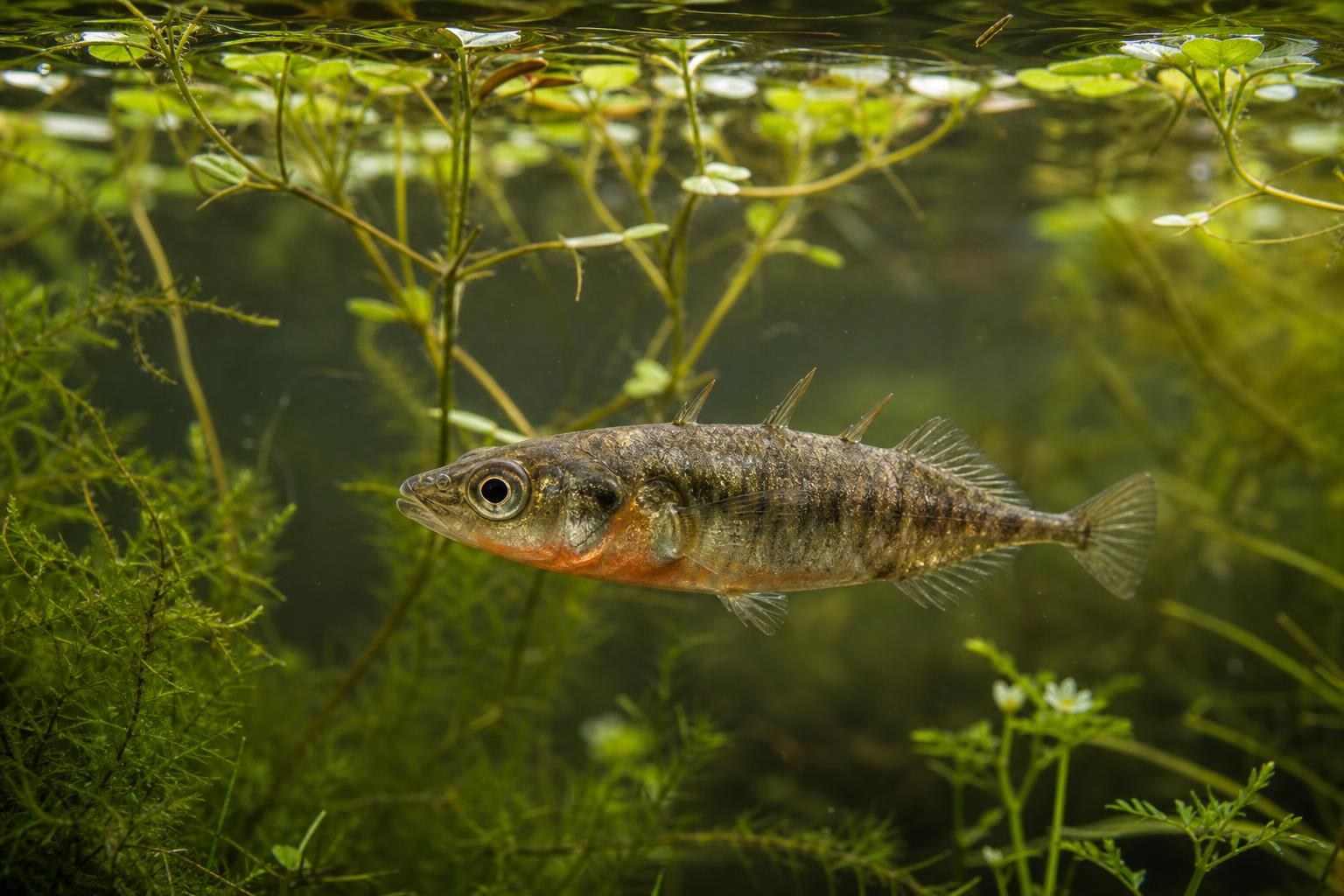
Gasterosteus aculeatus
Three-spined stickleback
A small native UK freshwater fish (typically 4–7 cm) that readily occupies tiny, planted ponds. Feisty micro-predator: gregarious outside breeding but territorial when spawning. Needs vegetation, some water movement or aeration and basic pond care; can predate amphibian eggs and larvae so may be unsuitable where amphibian breeding is a priority.
View fish guide →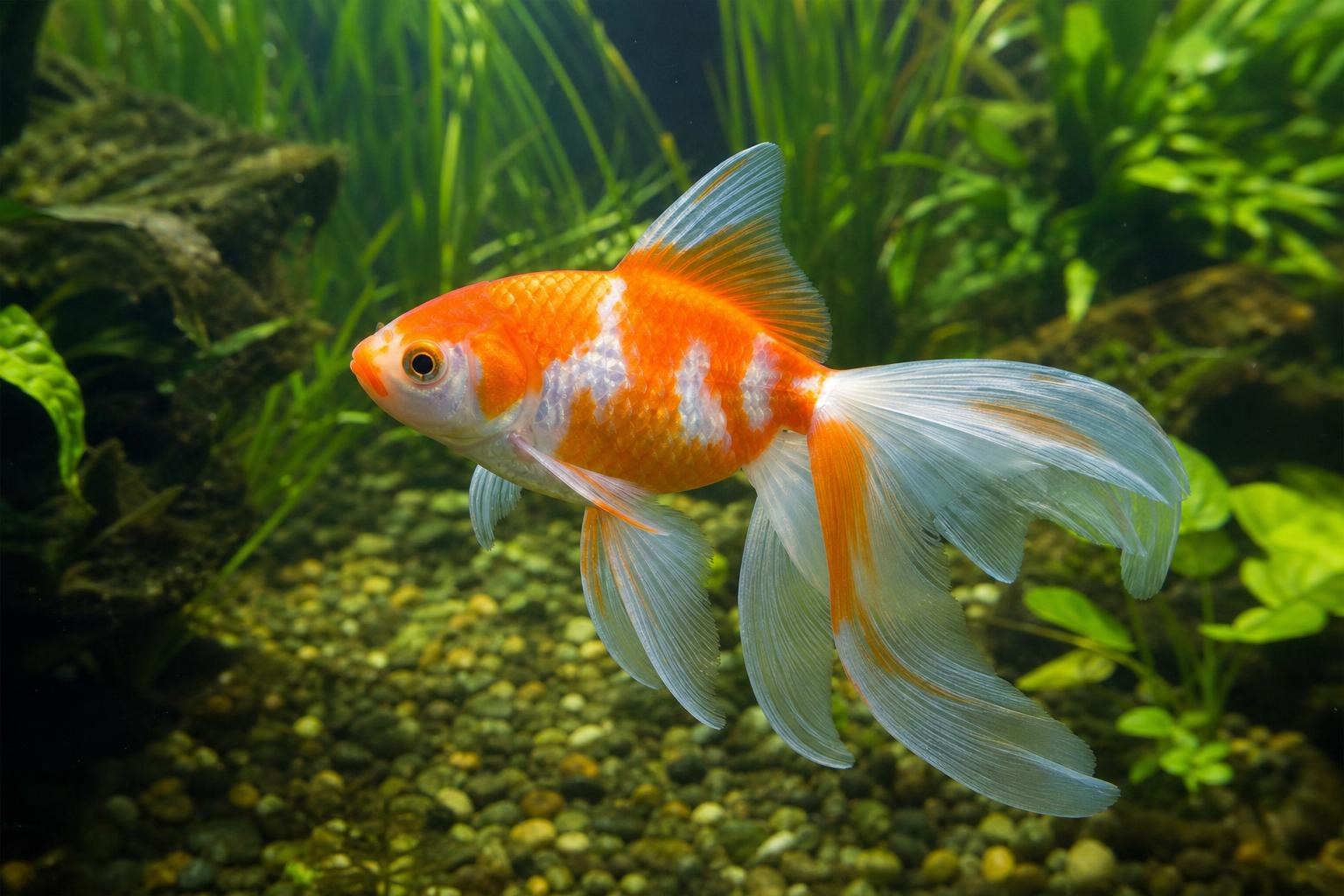
Carassius auratus
Wakin Goldfish
The Wakin is a Japanese-bred, double‑tailed variety of goldfish (Carassius auratus) with a relatively streamlined ‘pond’ body. Treat it like other pond‑hardy goldfish: provide good filtration, a deep, well‑planted pond (c.45–60 cm+, OATA prefers 60 cm), seasonal feeding and winter aeration. Do not release into the wild.
View fish guide →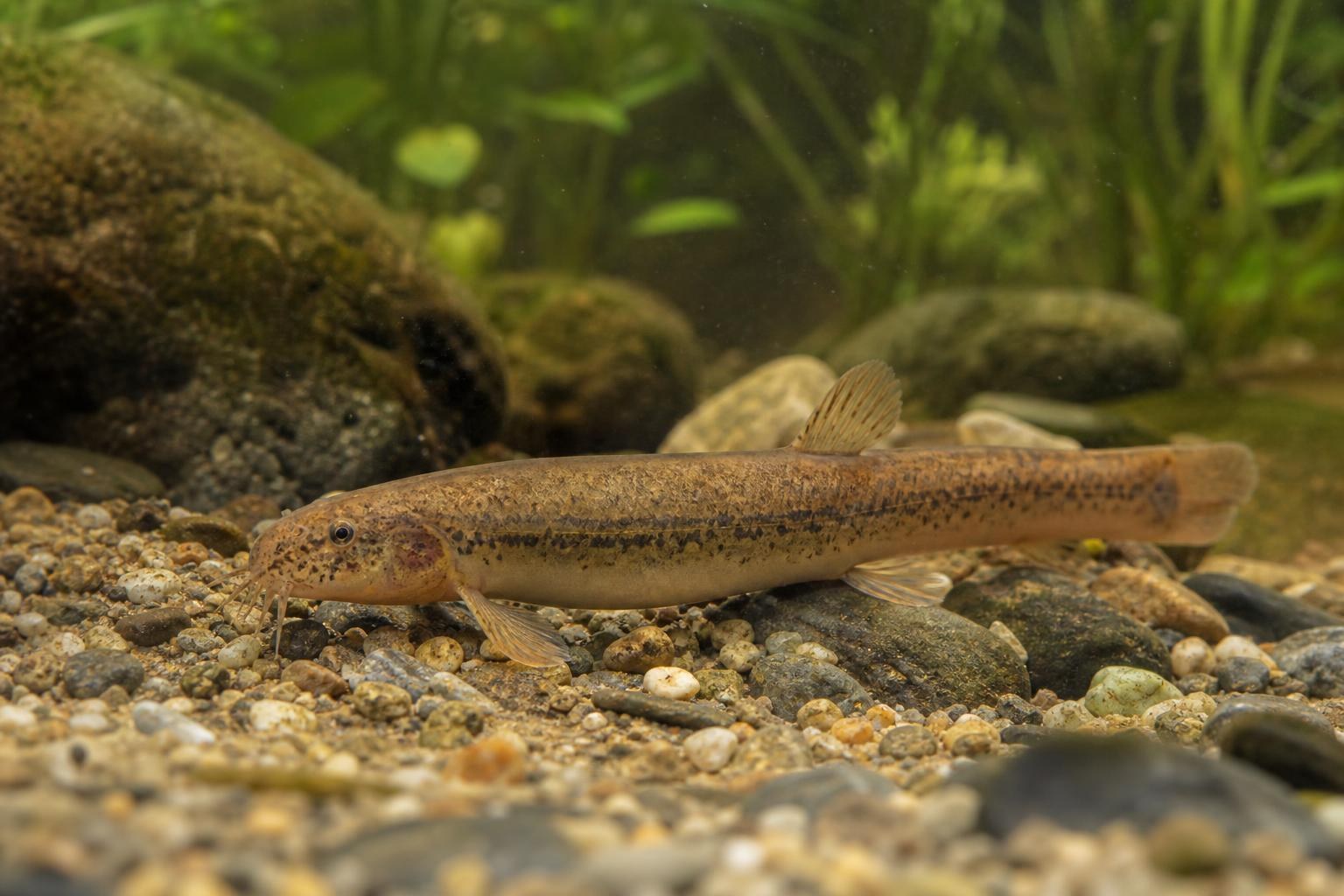
Misgurnus anguillicaudatus
Weather loach
The weather loach (Misgurnus anguillicaudatus) is an Asian dojo loach commonly sold in the trade. Grows to about 25 cm, is a social, bottom‑dwelling omnivore and tolerates a wide temperature and low‑oxygen range. In the UK it is a non‑native taxon with documented garden‑pond records and legal/biosecurity implications — do not release ornamental fish into the wild.
View fish guide →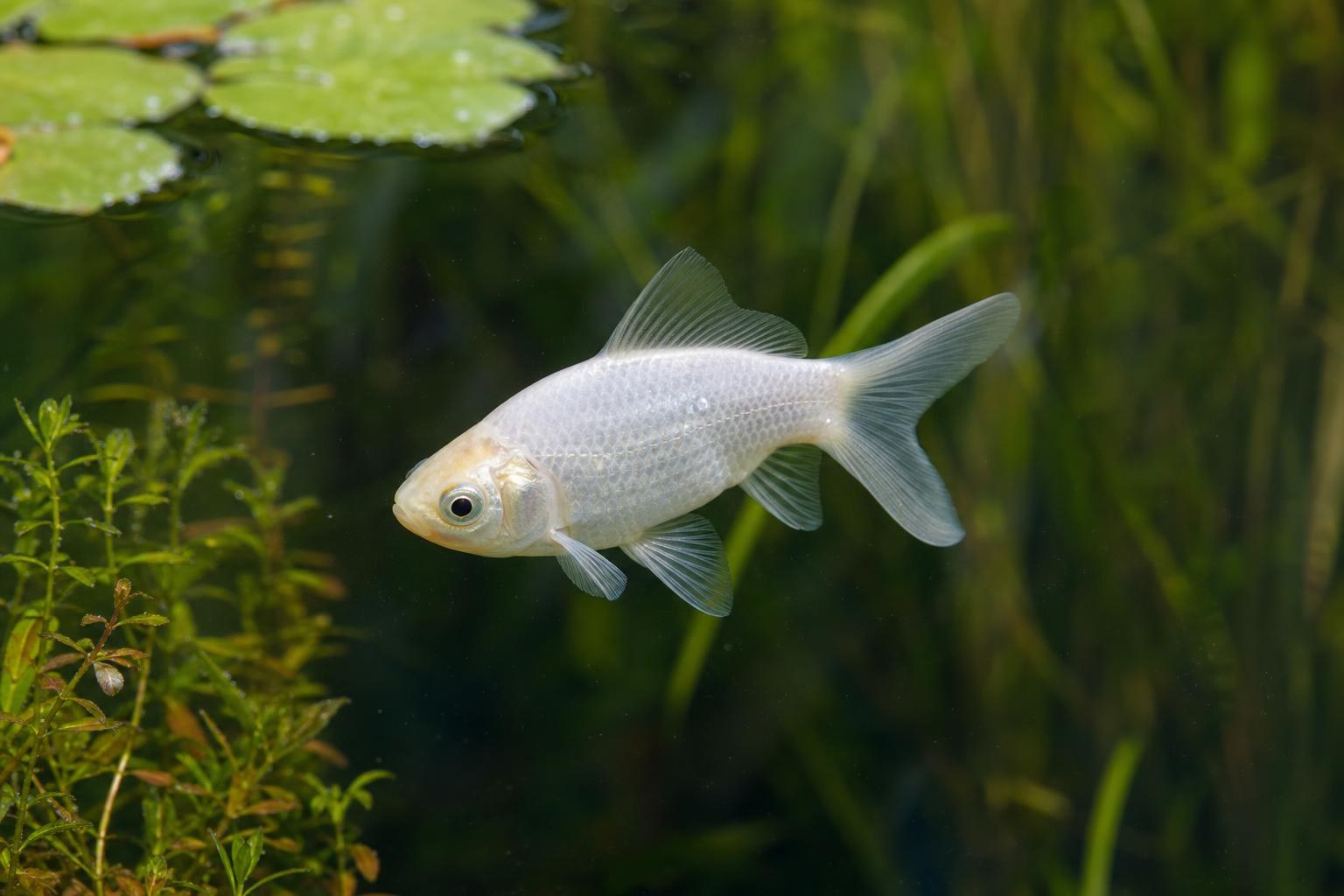
Pond fish
White Cloud Goldfish
The name ‘White Cloud Goldfish’ is unresolved in trade sources — it may be a colour variety of goldfish (Carassius auratus) or a mis‑labelled White Cloud Mountain Minnow (Tanichthys albonubes). Verify with the seller.
View fish guide →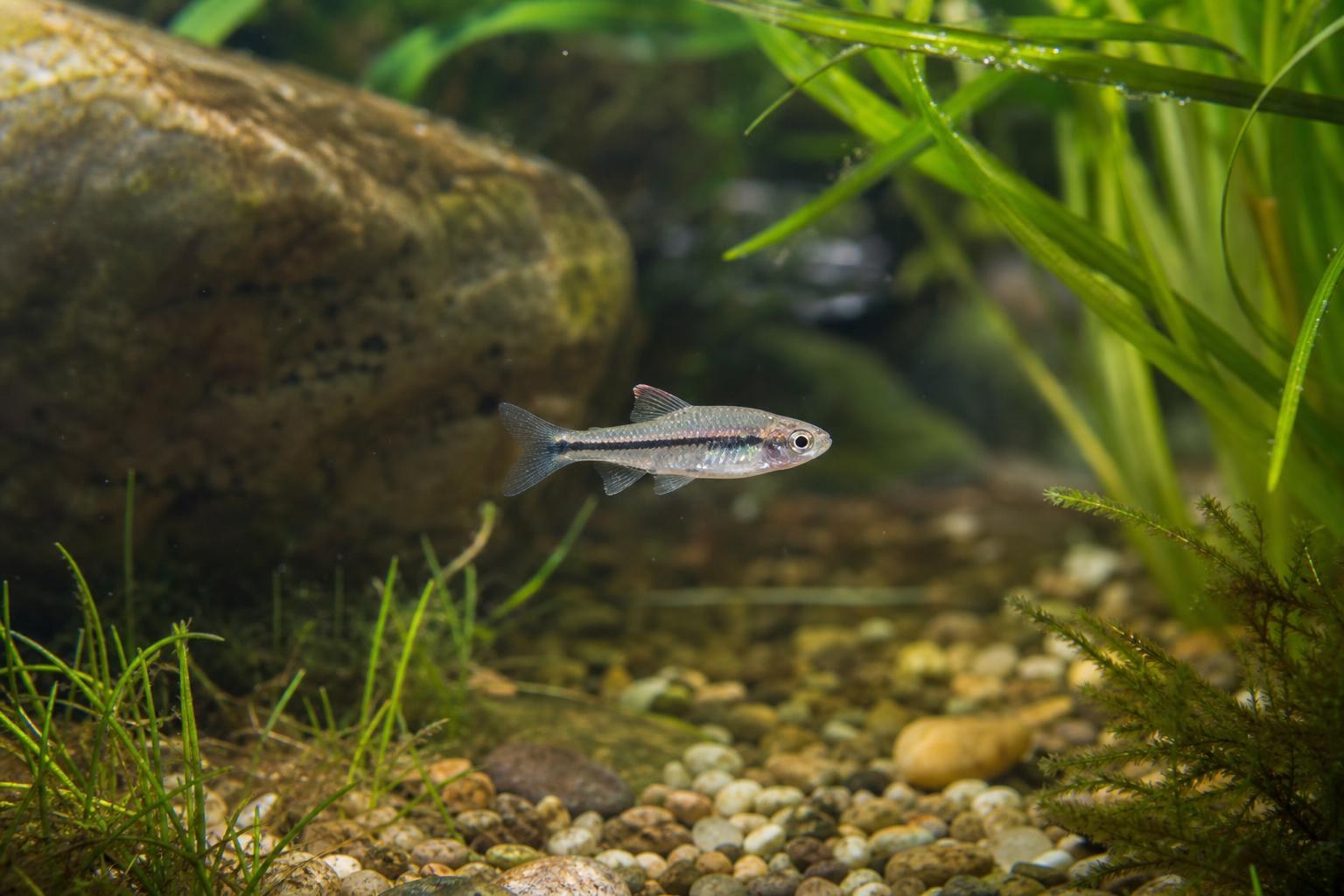
Tanichthys albonubes
White Cloud Mountain Minnow
A small, active shoaling fish commonly kept in unheated aquaria. Suitable for beginner keepers in tanks; outdoor pond use is not endorsed without checking UK legal and biosecurity rules.
View fish guide →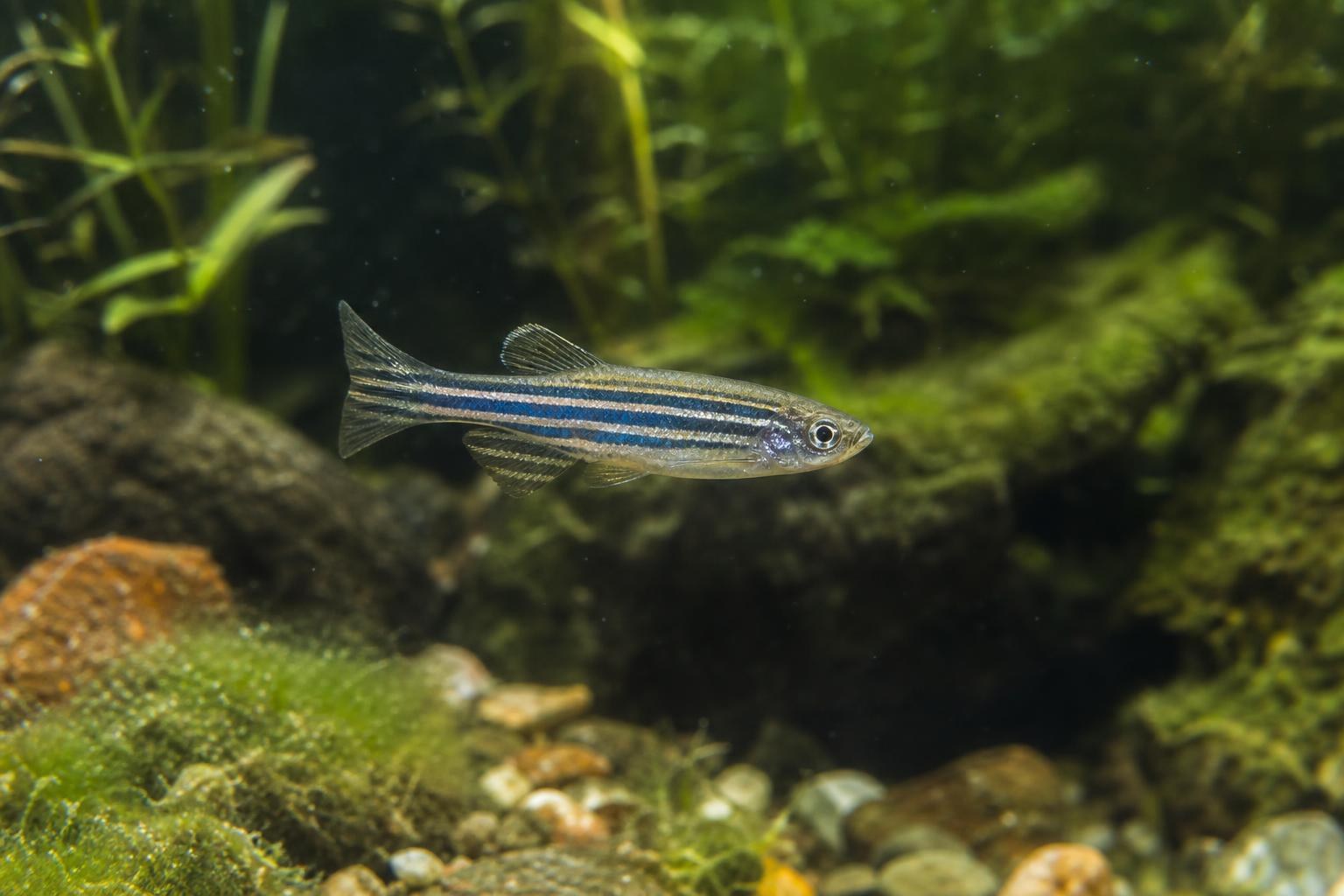
Danio rerio
Zebra Danio
A small (≈5 cm), active, shoaling freshwater fish commonly kept in aquaria. Hardy and considered beginner‑friendly in tank settings; aquarium temperature guidance varies (15–27 °C). Pond suitability and overwintering in UK outdoor ponds are not established in the cited sources—do not release into the wild.
View fish guide →