POND FISH GUIDE
Sarasa Comet
Carassius auratus
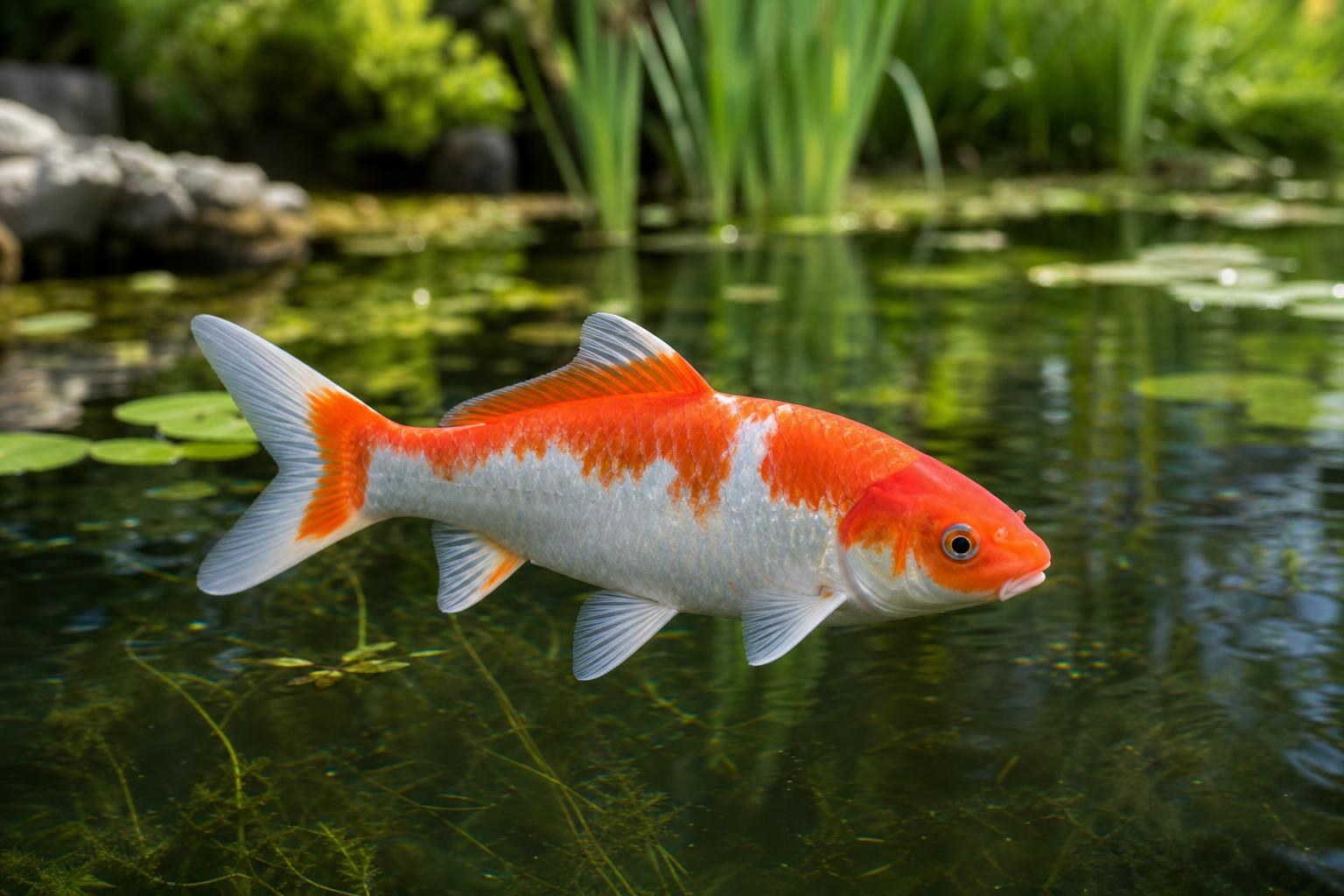
The Sarasa Comet is a single‑tailed ornamental variety of goldfish (Carassius auratus). Hardy and active, they are widely kept in UK garden ponds, commonly reaching around 30 cm in good conditions. They need adequate filtration, aeration and pond depth and should never be released to the wild.
At a glance
- Maximum length
- Up to 30 cm
- Minimum pond depth
- 45 cm
- Temperature range
- 4–30°C
- Suitable for small ponds
- Yes
- Suitable for wildlife ponds
- No
About Sarasa Comet
Sarasa Comets are a cultivated, single‑tailed form of goldfish (Carassius auratus). Unlike the shorter, rounder fancy goldfish, comets are streamlined, active swimmers and are commonly recommended for ornamental garden ponds. Pond-kept adults commonly reach around 30 cm, and they are described by trade and pond bodies as hardy when kept in a properly equipped pond. Pond setup and water: Provide reliable filtration and some circulation (pump, fountain or similar) to help prevent ammonia/nitrite problems and to maintain oxygenation. OATA guidance for pond stability recommends ponds ideally at least 45–60 cm deep to give fish a stable thermal zone through the seasons; shallower ponds risk greater winter/summer stress. Trade sources report Sarasa Comets tolerate a wide temperature range, with a lower limit around 4 °C and trade pages listing upper tolerance up to about 30 °C (OATA pond guidance more commonly references upper guidance nearer 24–25 °C). Reduce feeding as water temperatures fall (many keepers switch to wheatgerm or reduce/stop feeding below around 8 °C). Feeding and care: Omnivorous — feed good‑quality specialised goldfish/pond pellets, granules or flakes, plus occasional frozen foods and plant material. Feed only what is eaten in a few minutes to avoid water‑quality issues. Regular water testing, routine maintenance and appropriate stocking levels are important to prevent “new pond syndrome” and water chemistry spikes. Compatibility and wildlife considerations: Sarasa Comets are sociable with other robust coldwater pond fish but can outcompete slow, delicate fancy goldfish for food and may be boisterous. They will eat invertebrates and frogspawn, so they are not appropriate for wildlife ponds intended to maximise native biodiversity — The Wildlife Trusts advise not adding fish to wildlife ponds. The GB Non‑Native Species Secretariat documents the risks if ornamental goldfish are released; do not release unwanted fish. Legal note: GOV.UK guidance states keeping goldfish does not require an ILFA licence, but other fish‑health and environmental rules apply when moving or introducing fish to inland waters. Seek retailer or local authority advice for larger or connected water bodies.
Diet
Omnivore — specialised goldfish/pond pellets, granules, flake; frozen foods and plant matter. Feed less as temperatures fall; only feed what is eaten in a few minutes.
Temperament
Hardy, active and sociable; single‑tailed, boisterous swimmers that may outcompete slower fancy goldfish.
Compatibility
Compatible with other robust coldwater pond fish (non‑fancy goldfish, shubunkins). Avoid mixing with slow, delicate fancy goldfish as comets may outcompete them for food or cause stress.
Care notes
Provide a well‑sized pond with good filtration and some circulation/aeration. Aim for pond depth of at least 45–60 cm for winter stability. Test water regularly for ammonia/nitrite/nitrate, avoid overfeeding and introduce fish slowly to established biological filtration. Reduce or stop feeding as temperatures fall (around 8 °C guidance). Do not release fish; goldfish can establish in the wild and harm native species. Keeping goldfish does not require an ILFA licence, but follow fish‑health rules when moving or introducing fish to inland waters and seek advice for connected water bodies.