POND FISH GUIDE
Zebra Danio
Danio rerio
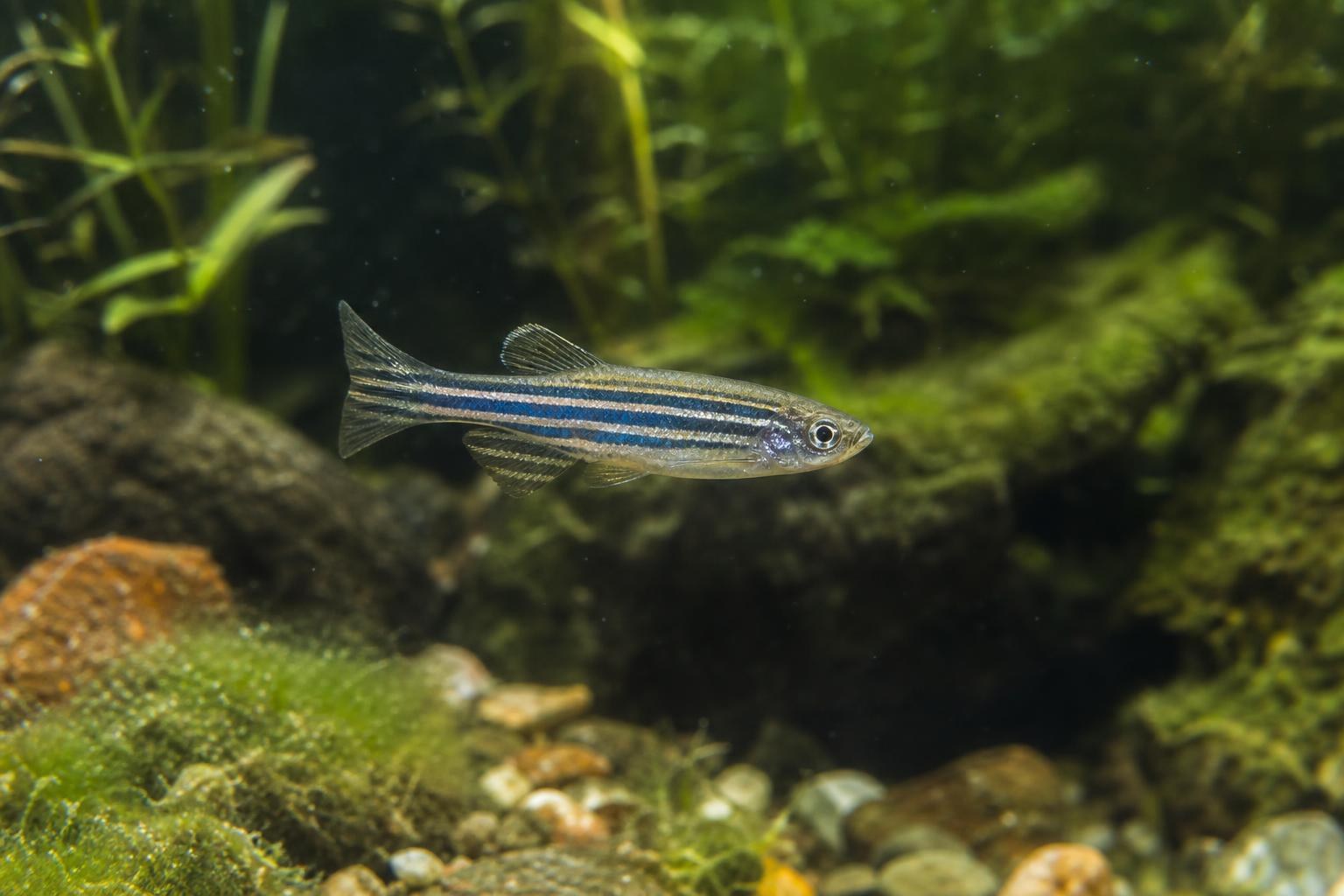
A small (≈5 cm), active, shoaling freshwater fish commonly kept in aquaria. Hardy and considered beginner‑friendly in tank settings; aquarium temperature guidance varies (15–27 °C). Pond suitability and overwintering in UK outdoor ponds are not established in the cited sources—do not release into the wild.
At a glance
- Maximum length
- Up to 5 cm
- Temperature range
- 15–27°C
- Suitable for small ponds
- No
- Suitable for wildlife ponds
- No
About Zebra Danio
Zebra danios (Danio rerio) are the familiar striped/‘zebra’ (and many colour/morph) forms widely sold in the aquarium trade. Adults typically reach about 5 cm. Trade and care sheets describe them as active, gregarious shoaling fish that do best in groups and make good dither fish in community setups. They are omnivorous and eager feeders, accepting quality flake or micro‑pellets plus small live or frozen foods such as daphnia, mosquito larvae, bloodworm and similar items. Most of the published guidance in the permitted sources is aquarium‑focused: danios are regarded as hardy and suitable for beginners when kept in an appropriate group with good filtration and stable conditions. OATA/Fishkeeper recommendations include keeping them in shoals (at least five — “more is better”), providing good filtration and moderate current to improve oxygenation, and maintaining basic water quality (pH ≈ 6.5–8.0; general hardness soft–medium, around 4–12 °dH; nitrite/ammonia zero; nitrates kept low as a guideline). Reported aquarium temperature ranges vary between sources (examples given are 15–24 °C and 17–27 °C), so aquarium keepers should follow supplier guidance and aim for stable temperatures within those reported ranges. Importantly for UK pond owners, the permitted sources do not establish authoritative minimum pond volumes or depths for outdoor keeping of D. rerio, nor do they give clear, evidence‑based statements that zebra danios will reliably overwinter in typical UK garden ponds. Trade guidance strongly warns against releasing aquarium animals or plants into the wild (it may be illegal and ecologically harmful). If you already own zebra danios and are thinking about an outdoor pond, do not release them; seek specific, local and evidence‑based advice before any introduction. For aquarium setups, follow the OATA/Fishkeeper care notes for shoaling, filtration/oxygenation and varied diet.
Diet
Omnivore — quality flake or micro‑pellets; small live/frozen foods (daphnia, mosquito larvae, bloodworm, tubifex, etc.)
Temperament
Active, shoaling, generally peaceful; may stress timid or long‑finned/slow species
Compatibility
Keep in shoals (≥5). Suitable with other robust, active shoaling community species. Avoid very timid or long‑finned species that can be harassed by active danios.
Care notes
Aquarium guidance only: keep in groups (OATA recommends at least five); provide good filtration and moderate current for oxygenation. Water guidelines: pH ~6.5–8.0; general hardness soft–medium (~4–12 °dH); nitrite/ammonia zero; keep nitrates low (guideline <20 mg/L above source tap levels). Reported aquarium temperature ranges in sources vary (examples: 15–24 °C and 17–27 °C). OATA gives example aquarium volumes (e.g. ~45 L minimum for a small shoal of the smaller danios) but these are tank figures and not established pond minima. The permitted sources do NOT provide authoritative guidance that zebra danios will reliably overwinter in UK outdoor ponds. Never release aquarium fish or plants into the wild—trade guidance states this is illegal and can cause ecological harm. Note also regulatory attention in trade/research contexts (SVS listings, use in licensed research, past GM zebrafish issues); consult statutory bodies for formal legal status if required.