POND FISH GUIDE
Nine-spined stickleback
Pungitius pungitius
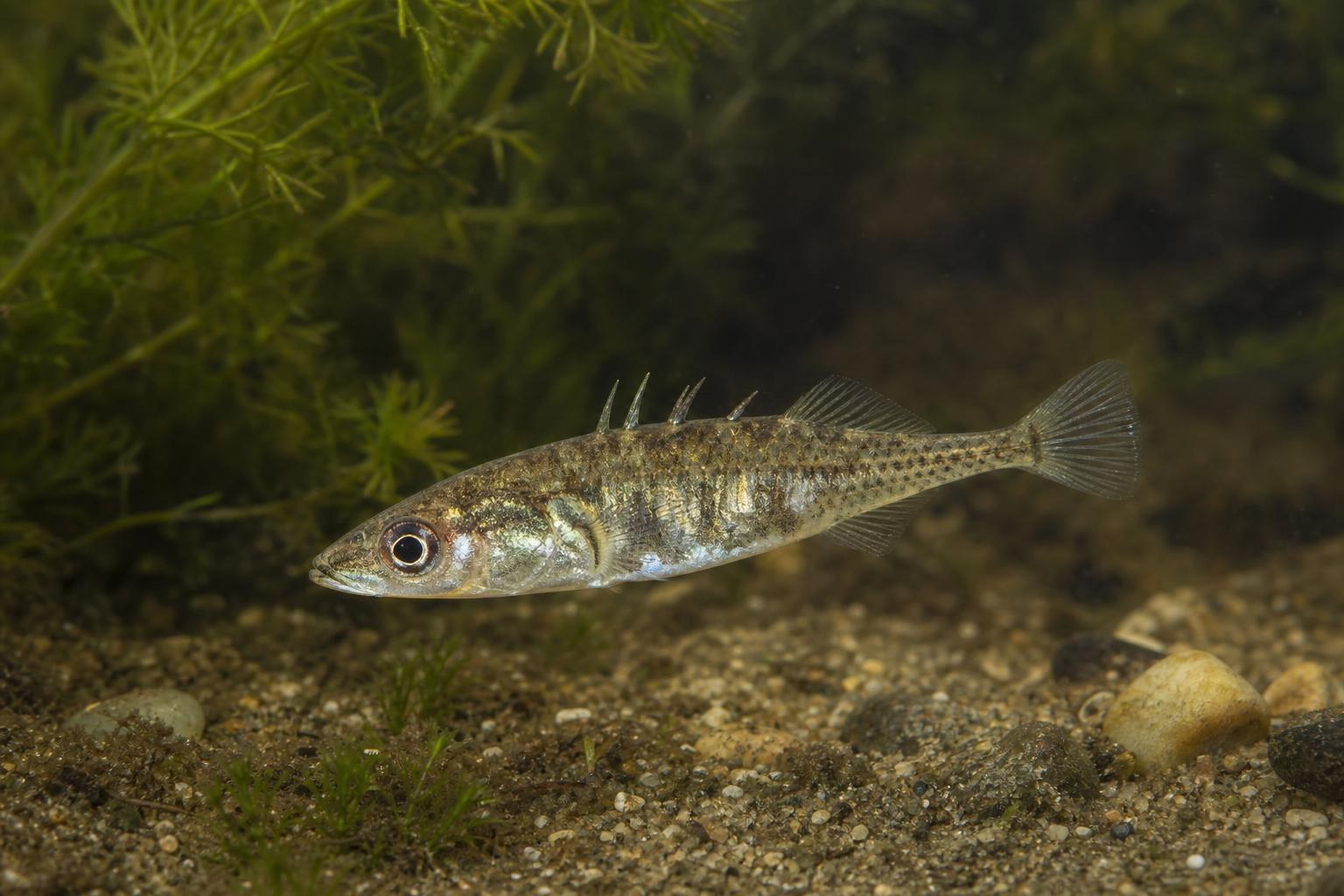
A small native UK pond fish recorded from ponds, ditches and other small standing waters. A micro‑predator that feeds on tiny crustaceans, insect larvae and amphibian eggs; its presence can reduce amphibian recruitment.
At a glance
- Suitable for small ponds
- Yes
- Suitable for wildlife ponds
- No
About Nine-spined stickleback
The nine‑spined stickleback (Pungitius pungitius) is a small native freshwater fish frequently recorded in UK ponds, ditches and other small standing waters. UK survey and eDNA work list P. pungitius among species commonly found in ponds, so it is a species naturally suited to small standing waters. However, authoritative numeric pond or husbandry minima (exact pond volume, depth, or a species‑specific temperature range) are not provided in the UK guidance surveyed. Diet and behaviour: sticklebacks are efficient micro‑predators. In pond contexts they feed mainly on very small invertebrates (tiny crustaceans), insect larvae and in some cases amphibian eggs and very small fry. Behavioural notes in UK sources describe sticklebacks generally as gregarious but territorial during breeding; specific behavioural details for P. pungitius are limited, so assume they may act like other pond sticklebacks in being social outside the breeding season and defensive at nests. Pond management considerations: because sticklebacks prey on eggs and larvae, their presence can reduce the likelihood of successful amphibian colonisation. If your management objective is to encourage amphibians or conserve small invertebrates, assess for sticklebacks before stocking or altering a pond. General stickleback guidance for pond keepers (not species‑specific) recommends cool water, abundant aquatic plants (marginal, oxygenating and floating vegetation), modest filtration and regular partial water changes. Sticklebacks are sensitive to very low oxygen conditions in small planted pools without water movement. Legal and practical notes: UK guidance treats Pungitius as a native species in freshwater surveys. Pond owners should not introduce non‑native species into the wild and should consult GOV.UK/statutory guidance and licences before moving or releasing fish. Many specific husbandry details for P. pungitius (maximum length, exact temperature limits, stocking densities, overwintering procedures) were not found in the surveyed UK sources, so consult specialist literature or authorised bodies if you need numeric guidance.
Diet
Small invertebrates (tiny crustaceans), insect larvae, amphibian eggs and very small fry
Temperament
Generally gregarious; territorial during breeding. Acts as a micro‑predator in ponds.
Compatibility
Preys on eggs and larvae—can reduce amphibian recruitment. Avoid where the pond is managed for amphibian or small invertebrate conservation. General advice also suggests avoiding mixing with much larger fish that could eat or outcompete sticklebacks.
Care notes
Specific Pungitius husbandry details (volumes, depths, temperatures, stocking densities, overwintering procedures) are not given in the surveyed UK sources. General stickleback guidance recommends cool water, plenty of aquatic plants (marginal, floating and oxygenating species), modest filtration and regular partial water changes. Be cautious of low‑oxygen, stagnant conditions—sticklebacks are sensitive to poor oxygenation. Check statutory guidance before moving or releasing fish.