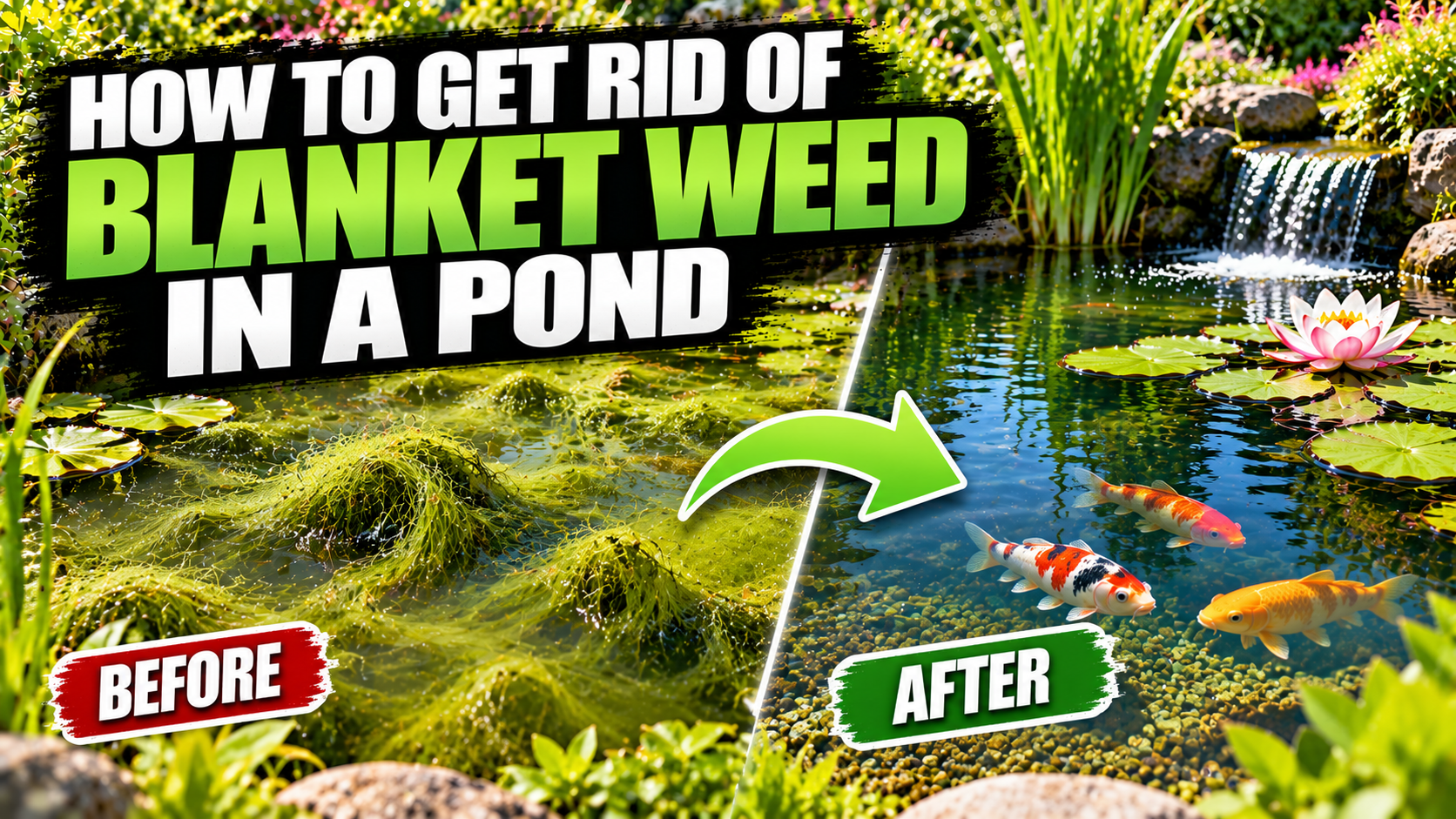
Blanket weed — the hair‑like, stringy green algae that clings to plants, rocks and pond liners — is a common nuisance in UK garden ponds. It thrives where water warms, light is plentiful, and nutrients (nitrates and phosphates) are available. You can’t always eradicate it overnight, but a combination of careful manual removal, cutting nutrient supplies, smarter planting, better circulation and patient follow‑up will usually bring it under control. This article covers identification, practical steps for different pond types, safe disposal and when to call in a specialist.
Identification
Is it blanket weed or something else?
Blanket weed (also called filamentous, string or 'cott') forms long, hair‑like green strands that float in mats or cling to surfaces. It’s different from planktonic “pea‑soup” green water (tiny free‑floating algae) and from floating plants such as duckweed. If you can grab a clump and it pulls out in strands or twines around a stick, it’s likely blanket weed.
If you’re unsure, compare it with our short guide explaining the difference between green water and blanket weed: Green Pond Water vs Blanket Weed: What’s the Difference?
(Tip: treating blanket weed involves removing the mats and addressing the causes; treating green water often needs different equipment such as UV clarifiers or different filtration.)
Causes
Why blanket weed appears: the main drivers
Blanket weed grows where three things come together: warmth, light and nutrients (especially nitrates and phosphates). Nutrients enter ponds from garden fertiliser runoff, soil or compost that falls in, bird droppings, over‑feeding fish and from crowded or heavily stocked fish ponds.
Sunny, shallow, slow‑moving water warms quickly and encourages filamentous algal growth. That’s why pond depth and shade matter. For wildlife ponds, some blanket weed is a normal part of a pond’s ecology; ornamental and fish owners usually want to reduce it because it looks untidy and can interfere with fish and equipment.
Immediate action
Manual removal: the first, safest step
Start by removing as much weed as you can by hand, with a pond rake, a net, or by twirling it onto a cane. Repeated removal reduces the amount of nutrient‑rich plant material breaking down in the water, but it needs persistence — you may need to remove new growth regularly for weeks.
When you remove weed, leave the clumps at the pond edge for about 48 hours so any invertebrates or amphibian eggs can return. After that, move the material well away from the pond or place it on a compost heap a good distance away so nutrients don’t wash back in. Do not return rotting weed to the pond.
Do not simply shred the weed in the pond or leave it to rot at the margin — that releases nutrients and can make the problem worse.
Nutrient control
Cut the food supply: reduce nutrient inputs
Blanket weed is a symptom of excess nutrients. Reduce those inputs and the problem becomes much easier to manage. Practical steps include stopping or limiting fertiliser near the pond, preventing garden runoff, keeping soil and compost away from the water, and avoiding feeding wildfowl. If you keep fish, avoid overfeeding and check your stocking level; overcrowding and excess feed add nitrates and phosphates to the water.
If you’re unsure about stocking, see our guide on sensible stocking levels: How Many Fish Can I Put in My Pond? Also consider how you top up the pond — rainwater is preferable where possible because mains tap water can contain dissolved nutrients; see Can You Use Tap Water in a Pond?
Habitat changes
Shading, planting and depth: make the pond less hospitable to weed
Increase plant cover and shading to reduce light available to algae. Aim for substantial marginal and floating planting — roughly half the surface area in many ornamental ponds is a typical target — and choose a mix of marginals, floating plants and submerged oxygenators where appropriate. Deepening a pond or creating deeper shelves can also reduce rapid warming; a deeper profile helps limit algal spurts.
For guidance on planting depths and plant choice see our pages on how deep to plant pond plants, best pond plants for UK garden ponds and How deep should a garden pond be?. Establishing healthy submerged oxygenating plants is useful because they compete with algae for nutrients, but they take time to establish and will struggle if the sediment is highly nutrient‑enriched.
Equipment and circulation
Pumps, filters, aeration and UV: the system approach
Good circulation and filtration reduce still-water pockets where blanket weed likes to take hold. More flow and oxygen help beneficial bacteria break down organics and reduce the chance of algal domination. Specific pump sizing depends on your pond volume and layout; see our pump guides for choosing equipment that suits your pond: What Size Pond Pump Do I Need?.
For green water (planktonic algae) a UV clarifier is often effective because it treats algae passing through the unit, but UV will not remove filamentous blanket weed that’s attached to surfaces — see Do UV Clarifiers Work for Green Pond Water?. Aeration and waterfalls/streams help oxygen levels and water movement; see How to Oxygenate a Pond: 7 Ways for options.
If you have fish gasping at the surface or are concerned about oxygen under thick mats, act promptly — ensure pumps and aerators are operating and seek specialist help if fish appear distressed: Why Are My Pond Fish Gasping at the Surface?
Biological and botanical aids
Barley straw, grazers and other non‑chemical aids
Barley straw is a commonly used, non‑chemical suppressant for many types of pond algae. As it rots, it produces substances that can inhibit algal growth; it typically takes 2–4 weeks to become active and is a temporary measure, not a permanent cure for nutrient‑rich ponds. Follow supplier advice on positioning and when to remove spent straw — guidance suggests removing straw when it is black and spent.
Some animals and fish species graze on algae. Snails and certain scavenger fish can reduce filamentous algae in ornamental ponds, but species choice matters — avoid introducing non‑native or invasive species to wildlife ponds and check local biosecurity guidance. Biological controls help but rarely remove heavy infestations on their own.
Chemical options & cautions
Algaecides, phosphate binders and legal/regulatory cautions
Manufacturers sell algaecides, phosphate‑binding products and dyes for garden and koi ponds, and some suppliers present these as part of an overall plan. However, UK gardening charities such as the RHS note that no chemical weedkiller products are approved for home gardeners specifically to treat pond algae and blanket weed. This creates a conflict between manufacturer marketing and independent advice.
If you consider a manufactured treatment (phosphate binder, algaecide or dye), follow the product label and UK regulations precisely, and check that the product is safe for fish and amphibians in your pond. Do not use chemical treatments in a fish or wildlife pond without confirming fish safety and, if in doubt, consulting a pond specialist or vet. Never rely on third‑party summaries for dosing — always use the product label.
When to call a professional
Persistent problems, large volumes or fish risk — get help
If blanket weed keeps returning despite removal and nutrient control, or if you manage a large pond, a koi pond with valuable stock, or a site where public health or wildlife could be affected, consult a pond professional. Larger treatments such as ultrasound systems, major dredging to remove nutrient‑rich sediments, or complex chemical programmes are specialist tasks that may need contractors with experience and the correct licences.
Also call in help if you’re unsure whether a product is safe for fish, if a thick mat is causing visible fish distress, or if other worrying signs (such as suspicious odours or dead wildlife) appear. Professional advice helps avoid mistakes that can harm wildlife or worsen the nutrient problem.
Prevention & routine care
Keep on top of it: seasonal tasks to limit future outbreaks
Blanket weed management is ongoing rather than a one‑off. Regular pond checks, prompt manual removal of new growth, sensible fish feeding, maintaining filters and ensuring circulation are the backbone of prevention. Clean or service filters at appropriate intervals so they work effectively — see our guide on How Often Should You Clean a Pond Filter?
Seasonal tasks such as renewing barley straw in spring, adding planting to shade the surface, and stopping fertiliser use near the pond will reduce the chance of repeat outbreaks. If your pond water turns green after cleaning, follow measured steps and check our guidance on why pond water often goes green after cleaning for common causes and sensible responses.