Water lily
waterlily 'Charles de Meurville'
Nymphaea 'Charles de Meurville'
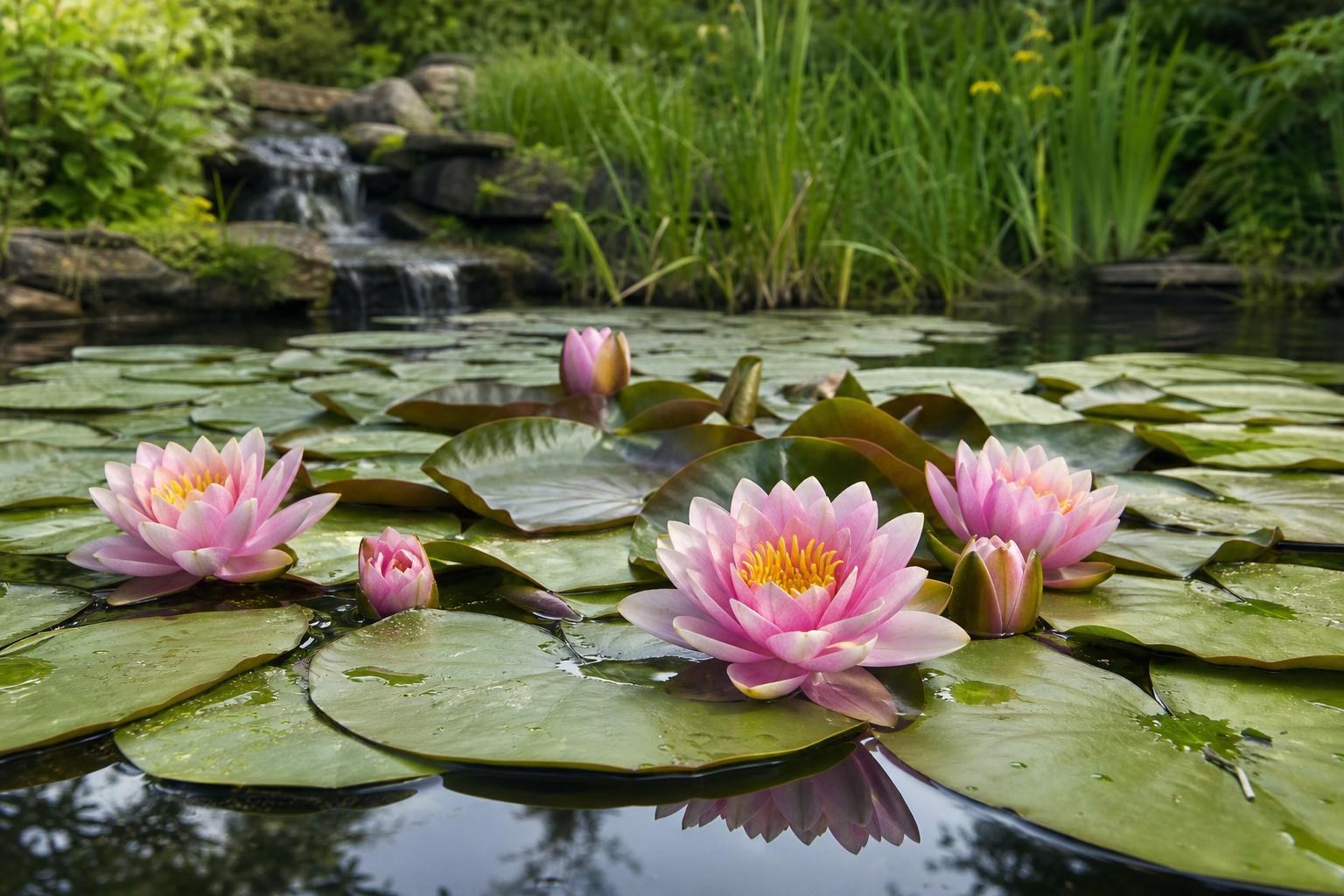
A hardy, rhizomatous garden waterlily rated H5 by the RHS; best in full sun and planted in baskets with initial water cover of 15–25 cm, later lowered to about 30–50 cm. It is vigorous, spreads 1.5–2.5 m and provides valuable shelter for pond wildlife.
PLANT PROFILE
About waterlily 'Charles de Meurville'
Nymphaea 'Charles de Meurville' is a hardy, rhizomatous waterlily treated by the RHS as suitable for outdoor garden ponds across much of the UK (hardiness H5). It is a submerged, rooted perennial that produces floating, rounded leaves (to about 25 cm across) and freely borne flowers (to about 20 cm diameter) in summer. The cultivar is described as vigorous and develops a substantial surface spread (RHS: 1.5–2.5 m), so it is best used in ponds that can accommodate that area rather than very small containers.
Cultivation follows standard waterlily practice: plant the crown just below the soil surface in a basket of loamy soil, cover the crown with pea shingle, and position the basket so it is initially covered by 15–25 cm of water; as the plant establishes the basket may be lowered to roughly twice the initial depth (c.30–50 cm). Feed during the growing season with a proprietary aquatic fertiliser at the manufacturer's rate. Deadhead spent flowers and remove yellowing leaves regularly; divide rhizomes/offsets in summer to control vigour and prevent overcrowding.
RHS notes a range of pests and diseases to watch for, including waterlily beetle, aphid, brown china‑mark moth and leaf spot/crown rot issues. Freshwater Habitats Trust material included in the supplied sources cautions about the wider ecological risks of introducing vigorous aquatic plants into new waterbodies and about simplistic uses of the term “oxygenating plants”: the supplied sources do not describe this cultivar as an oxygenator. The RHS and other supplied sources do identify waterlilies generally as providing shelter and habitat value to pond wildlife. The RHS cultivar record indicates the plant is not native to GB/Ireland. GOV.UK invasive‑species guidance searched in the supplied sources did not list this cultivar as a statutory restricted species in England & Wales; the supplied evidence does not establish devolved‑administration restrictions for Scotland or Northern Ireland.
POND SUITABILITY