Water lily
Pygmy waterlily ('Pygmaea Helvola')
Nymphaea × helvola
A small, hardy, rooted floating-leaf waterlily suitable for containers and small UK garden ponds; plant in baskets with crowns just below the soil surface and position baskets in shallow water (initially c.8–10 cm).
PLANT PROFILE
About Pygmy waterlily ('Pygmaea Helvola')
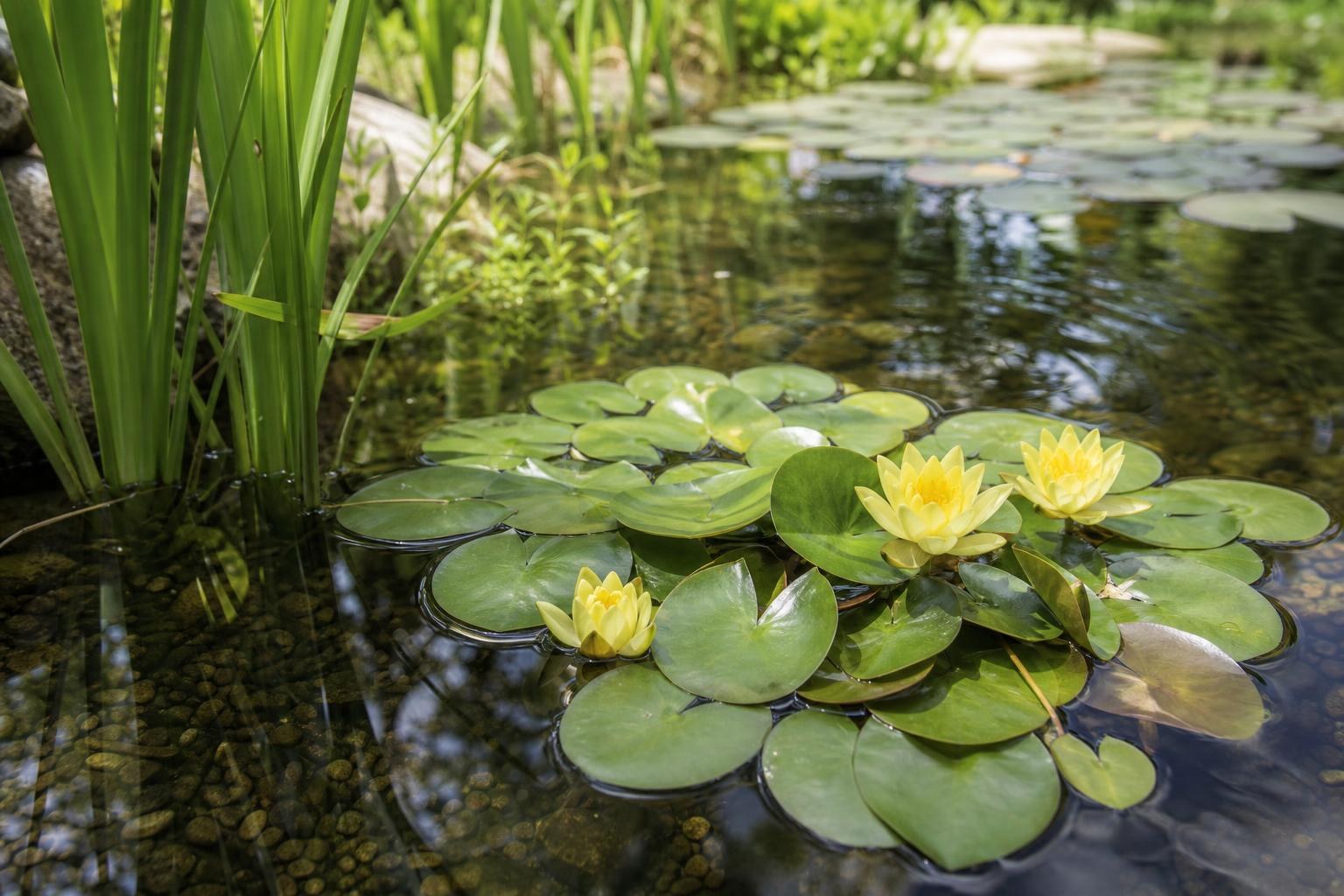
Nymphaea × helvola (often sold as 'Pygmaea Helvola' or referred to as the pygmy waterlily) is a small, rhizomatous waterlily recommended for patio tubs, containers and other small garden ponds. It is a rooted, floating-leaved perennial: the plant is established from a crown/rhizome and produces rounded floating leaves (RHS notes leaves up to c.12 cm for this group) with small flowers that sit at or just above the water surface. RHS lists the cultivar as hardy and suitable for UK ponds when grown to its cultivation guidance.
Cultivation follows standard RHS waterlily practice: plant in a basket in loamy aquatic compost with the crown positioned just below the soil surface and top the compost with pea shingle to reduce disturbance. Position the basket so it is initially covered by about 8–10 cm of water; RHS advises lowering to deeper water after the plant is established (roughly twice the initial depth). Planting in a basket helps contain the rhizome and control spread, making this variety useful for small or contained ponds.
Care notes from RHS include feeding with a proprietary aquatic fertilizer during the growing season, deadheading spent flowers and removing yellow leaves regularly. Propagation is by division of rhizomes or offsets in summer; divisions can be placed in shallow water until they are established. RHS also lists common pests and problems to watch for (water-lily beetle, water-lily aphid, moth larvae and some leaf-mining insects) and diseases such as crown rot and leaf spots. Waterlilies are valued for the shelter and shade they give pond wildlife, but they are not listed as submerged oxygenating plants. RHS records this cultivar as non-native to GB/Ireland and gives a UK hardiness rating (H5 for N. × helvola).
POND SUITABILITY